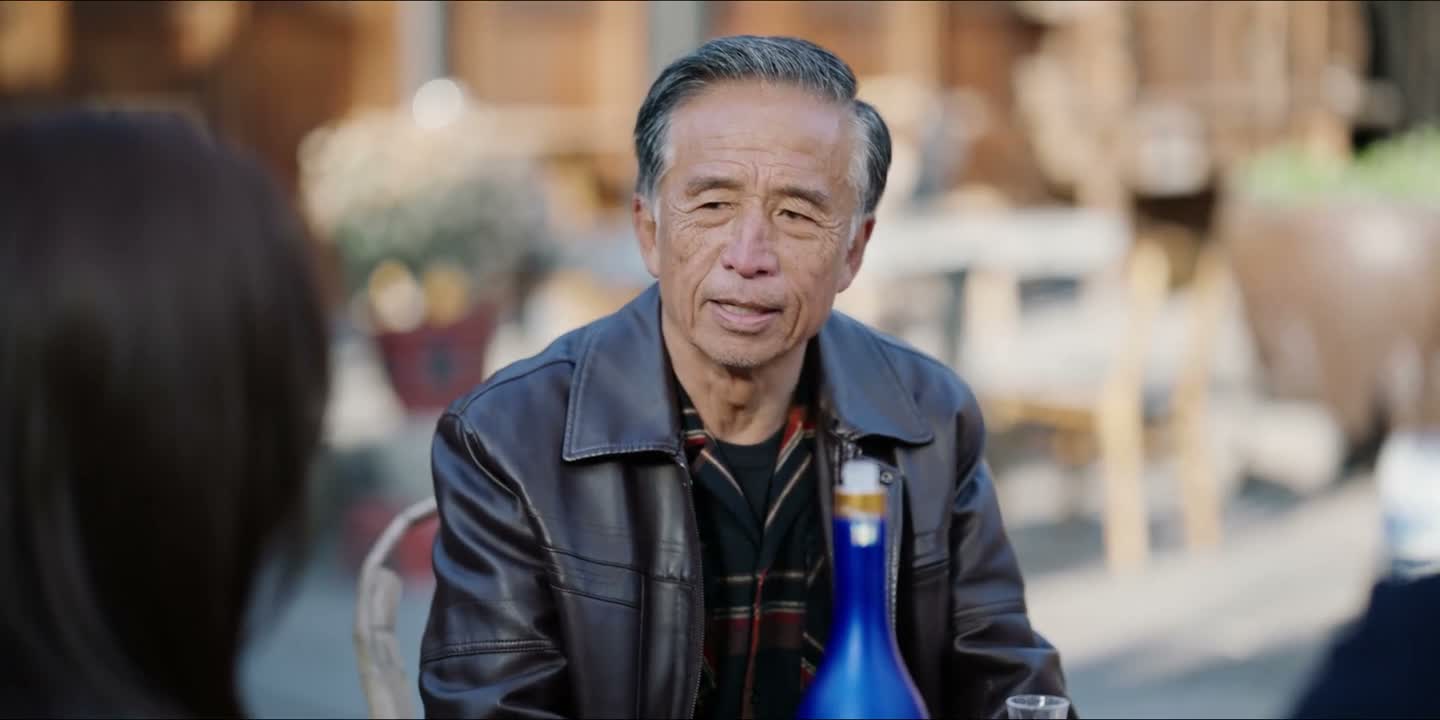
再也吃不出以前的味道了
“the dishes didn't taste the same as before.”
THE DIALOGUE REEL
可能是心境不一样
“Maybe because my mood was different,”
再 也 吃不 出 以前 的味道了
“the dishes didn't taste the same as before.”
“Actually, there's no such thing as "just right."”
“It's not just the food that changed—our lives and feelings will never be the same again.”
In Chinese culture, flavors are intimately intertwined with nostalgic memories and emotional states, making food a classic vehicle for expressing life regrets.
LEARNING CHUNKS & PARTICLES
never again; no longer
Emphasizes an irreversible cessation of an action or feeling when paired with negative verbs.
cannot taste; unable to distinguish the flavor of
Potential complement structure indicating the inability to perceive a specific culinary sensation.
Signifies a change of state, stressing that the past flavor is permanently gone.
VOCABULARY & EXPRESSIONS
Parallel Spoken Cinema Scenes (语义近邻切片)

“See if it tastes the same.”
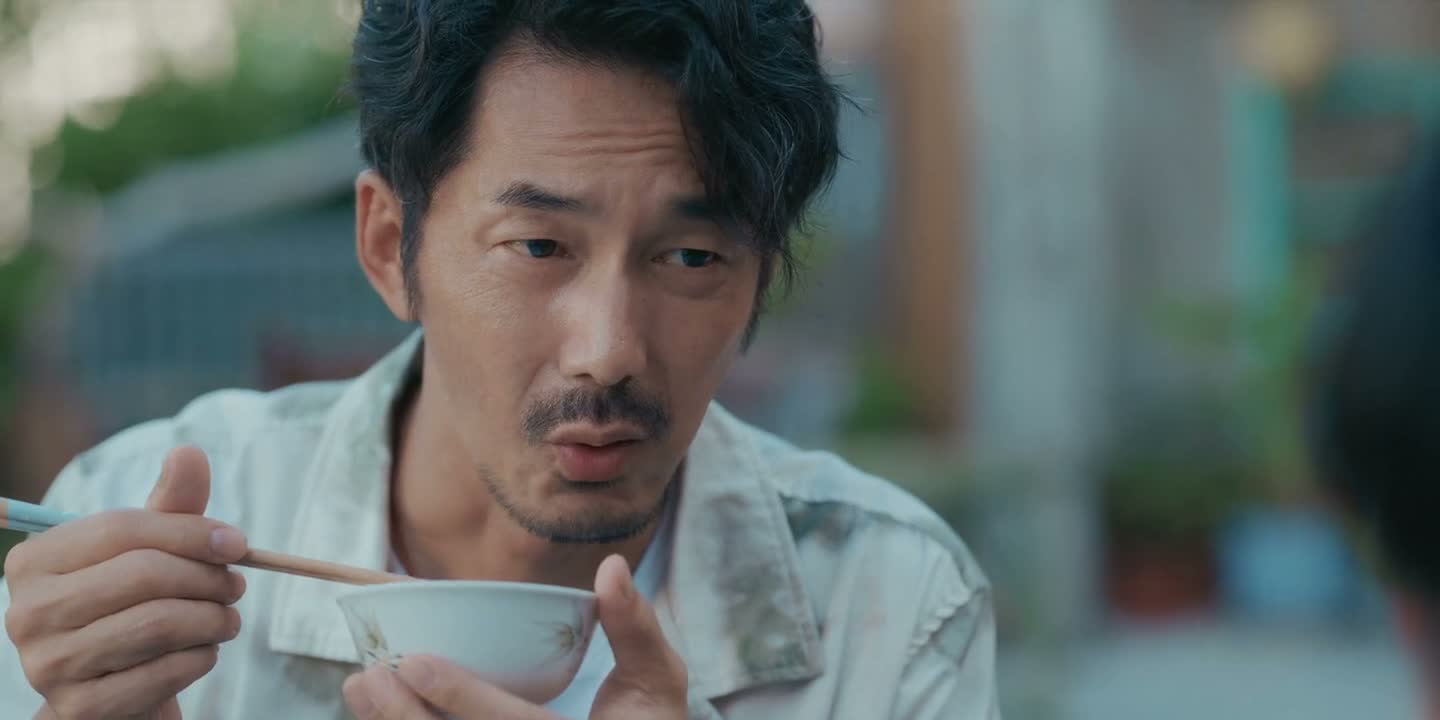
“I feel like I've had this somewhere before.”
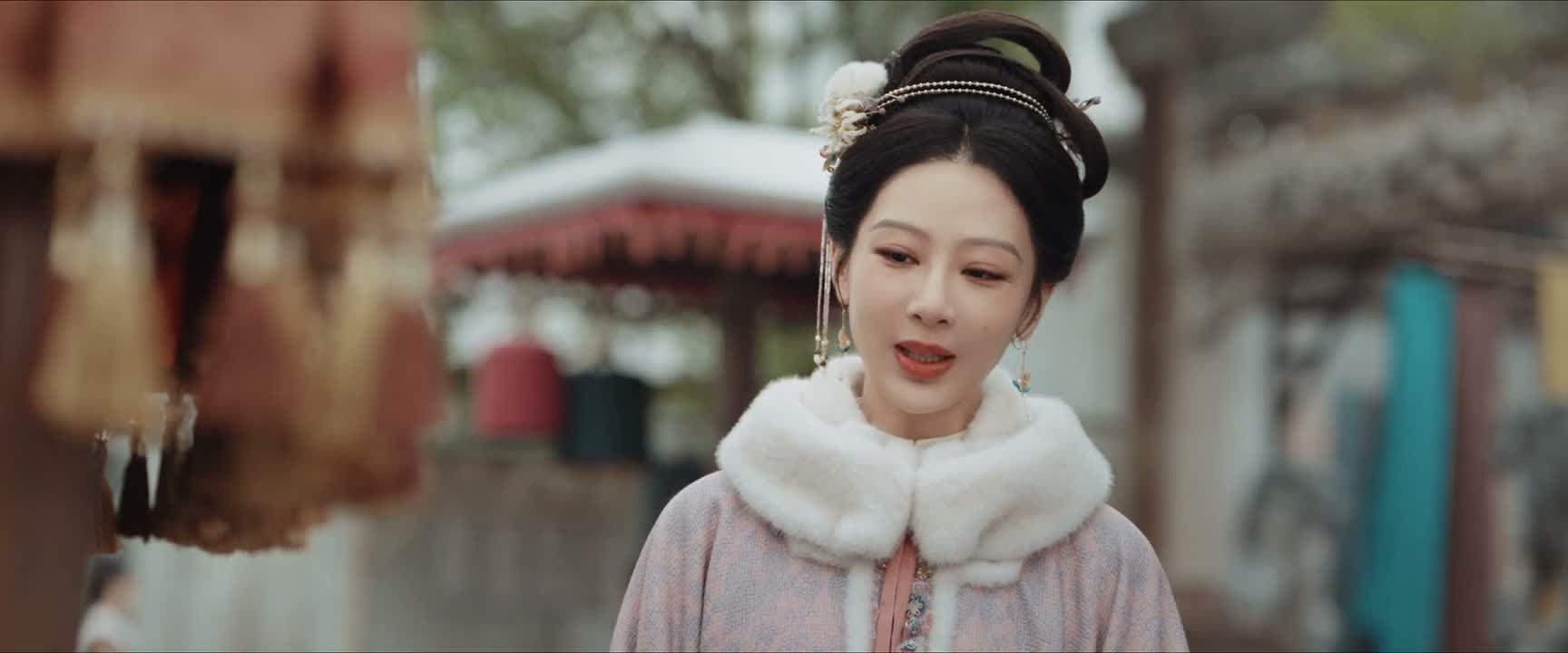
“It tastes exactly like what we had when we were kids.”
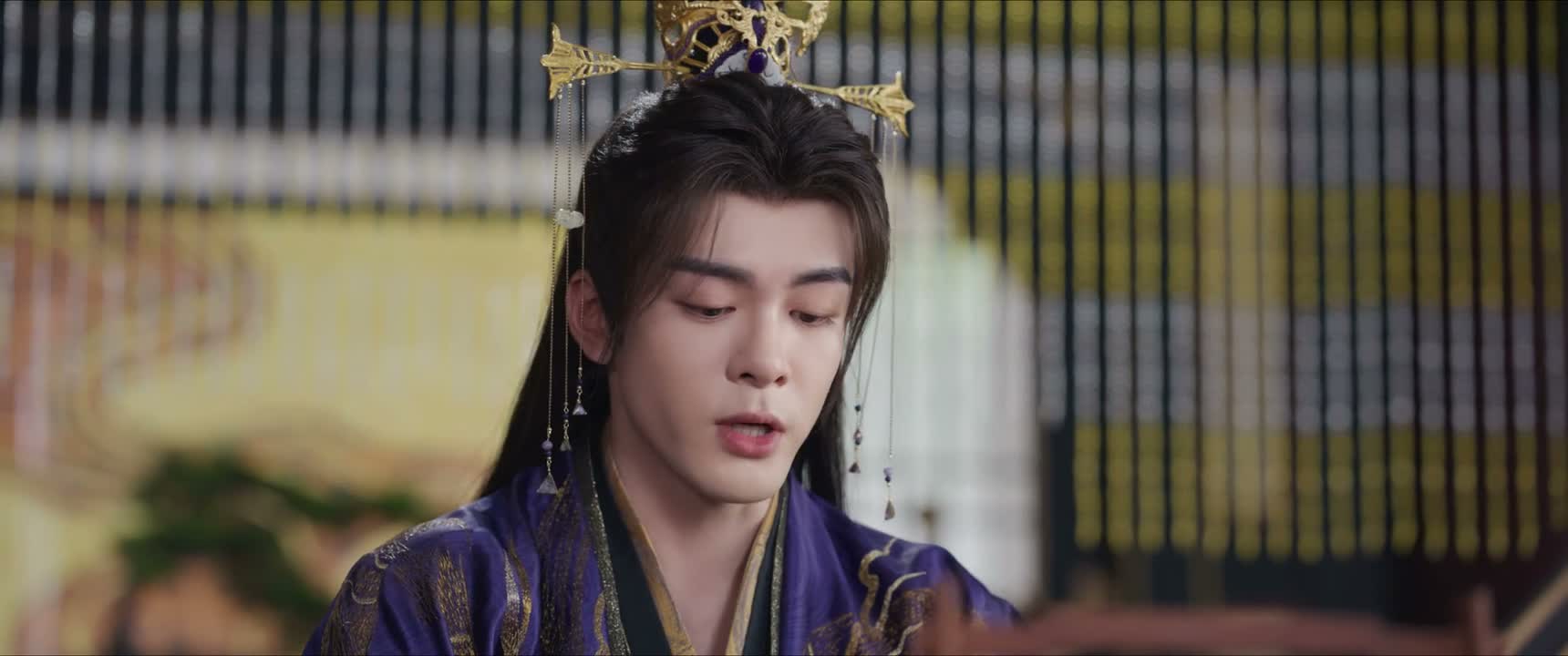
“I haven't eaten it in a long time.”
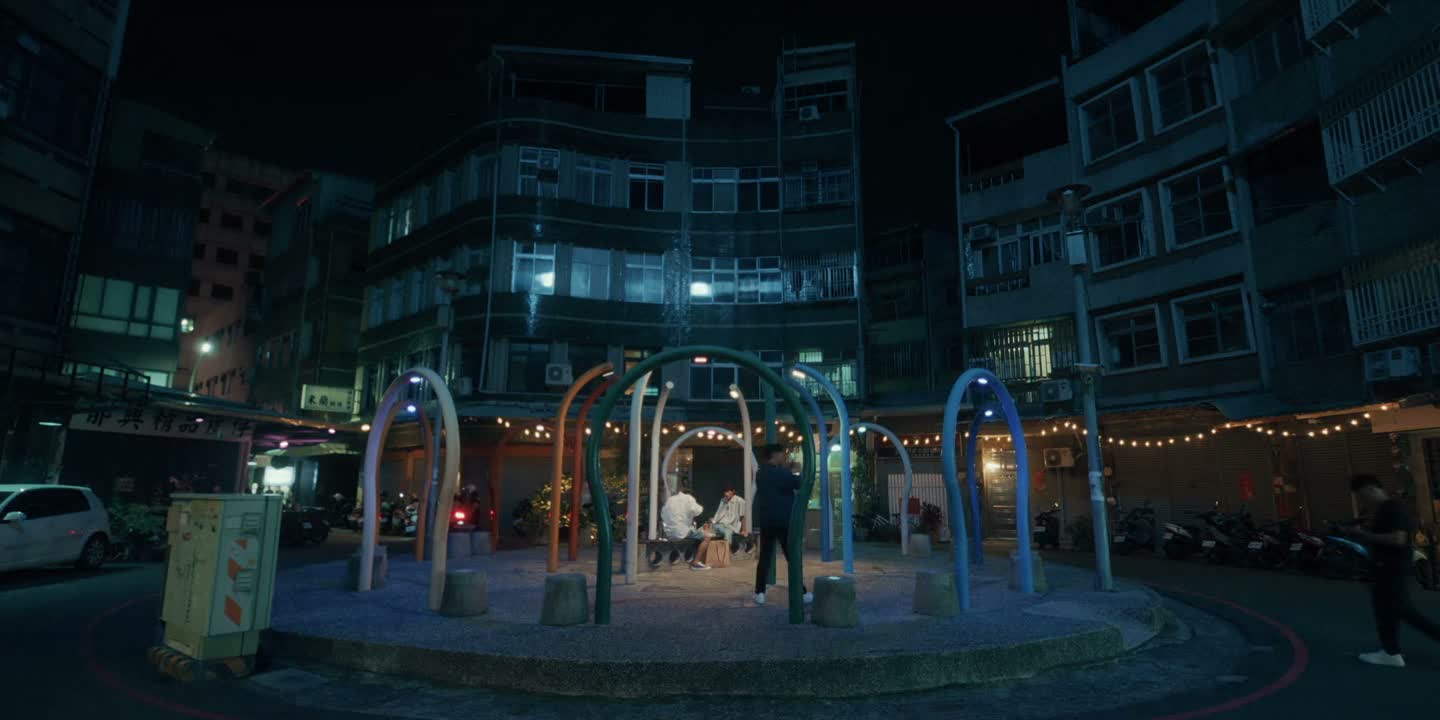
“and it still tastes the same.”
“We wanted to come back and taste this delicacy.”