《Wonder Wall》 S1·E16 (40:33)
HSK 6
tài shòu wěi qū le
太受委屈了
“my daughter had suffered too much.”
《Wonder Wall》
S1·E16
TIMECODE: 40:33
·
1080P MASTER AUDIO
THE DIALOGUE REEL
[-1] PREVIOUS TURN
wǒ xīn lǐ jué de wǒ guī nǚ
我心里觉得我闺女
“deep down, I felt”
tài shòu wěi qū le
CURRENT FOCUS
太 受委屈了
“my daughter had suffered too much.”
[+1] FOLLOW-UP TURN
nǐ bù xiǎo de
你不晓得
“You didn't know,”
Subtitles synced to millisecond timecode
Browse Show Clips →
Scene:
Family & Home
Function:
SYMPATHIZING
Tone:
DISTRESSED
Emotion:
SADNESS
WHAT THEY REALLY MEAN (PRAGMATIC SUBTEXT)
Direct spoken expression in this communicative setting.
💡 Cultural Insight: Weiqu (Unvoiced Grievance)
A deeply cultural concept referring to emotional distress caused by unfairness, where the sufferer often swallows the pain silently for interpersonal harmony.
INTENT TAGS:
#sympathy
#lamenting
#protective
#grievance
🧩
1 CHUNKS · 1 PARTICLES
LEARNING CHUNKS & PARTICLES
受委屈
SPOKEN CHUNK
suffer injustice; be wronged; endure unfair treatment
Essential Chinese concept describing the internal emotional distress of being treated unfairly without being able to voice it.
Modal Particle「了」 (le)
CHANGE OF STATE
Marks the excessive degree of unfairness ('太...了') and expresses an emotional sigh.
🏮
1 EXPR · 3 GRAMMAR
VOCABULARY & EXPRESSIONS
COLLOQUIAL EXPRESSIONS:
CROSS-CINEMA CORPUS BOARD · PARALLEL SCENES
EXPLORE BY SEMANTIC SIMILARITY
Parallel Spoken Cinema Scenes (语义近邻切片)

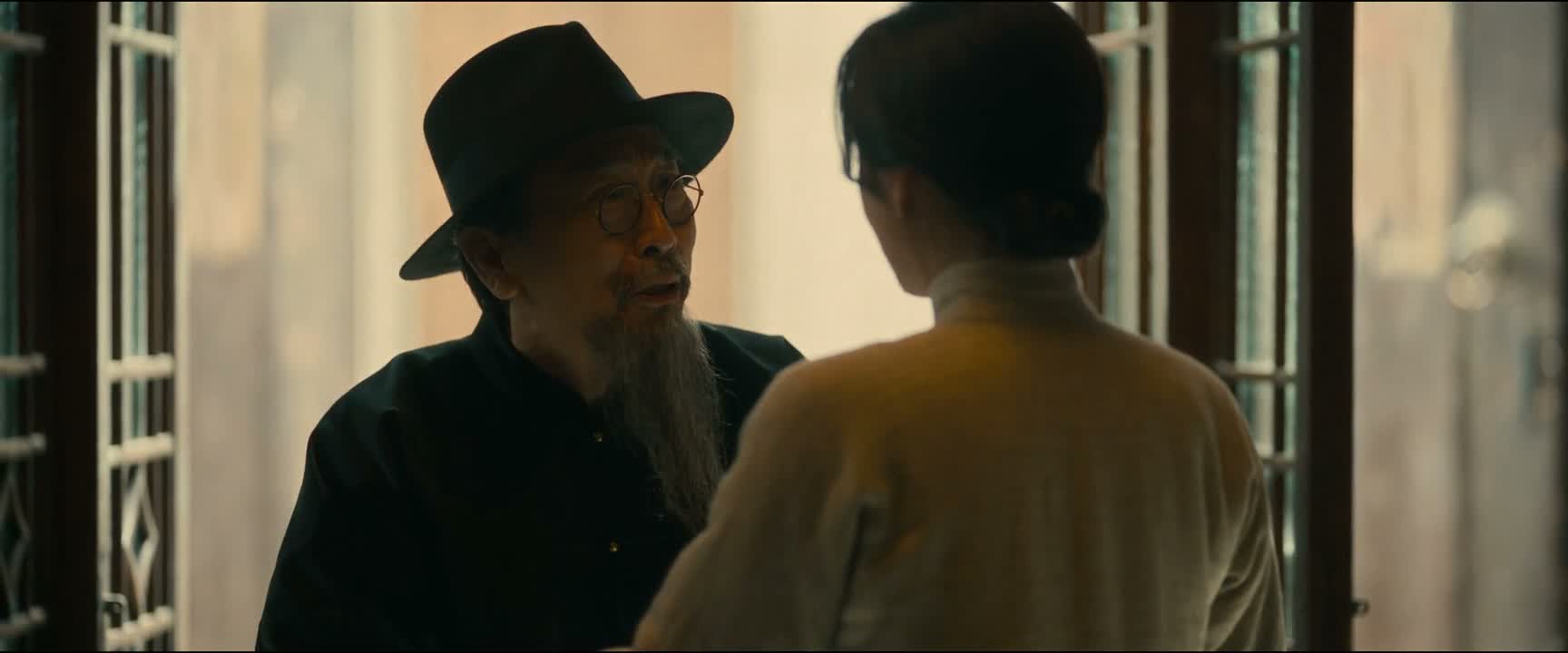

《Wonder Wall》 S1·E16 (40:33) · Authentic Cinema Dialogue Corpus