恐怕没有办法陪你们到最后了
“I'm afraid I can't stay till the end.”
THE DIALOGUE REEL
要走了
“You're leaving?”
恐怕 没有办法 陪你们 到最后了
“I'm afraid I can't stay till the end.”
“I have to leave, and I am sorry I can't see this through with you.”
Using '恐怕' (I'm afraid) and '没有办法' (have no choice) buffers the social disruption of leaving a team, showing deference and regret.
LEARNING CHUNKS & PARTICLES
I am afraid that; perhaps
A polite softening adverb used to cushion bad news or a negative answer.
there is no way; to have no choice
Expresses helplessness or impossibility in a given situation.
until the very end
Used to denote seeing a process, project, or relationship through to its conclusion.
Indicates a newly realized change of state or finality regarding the situation.
VOCABULARY & EXPRESSIONS
Parallel Spoken Cinema Scenes (语义近邻切片)
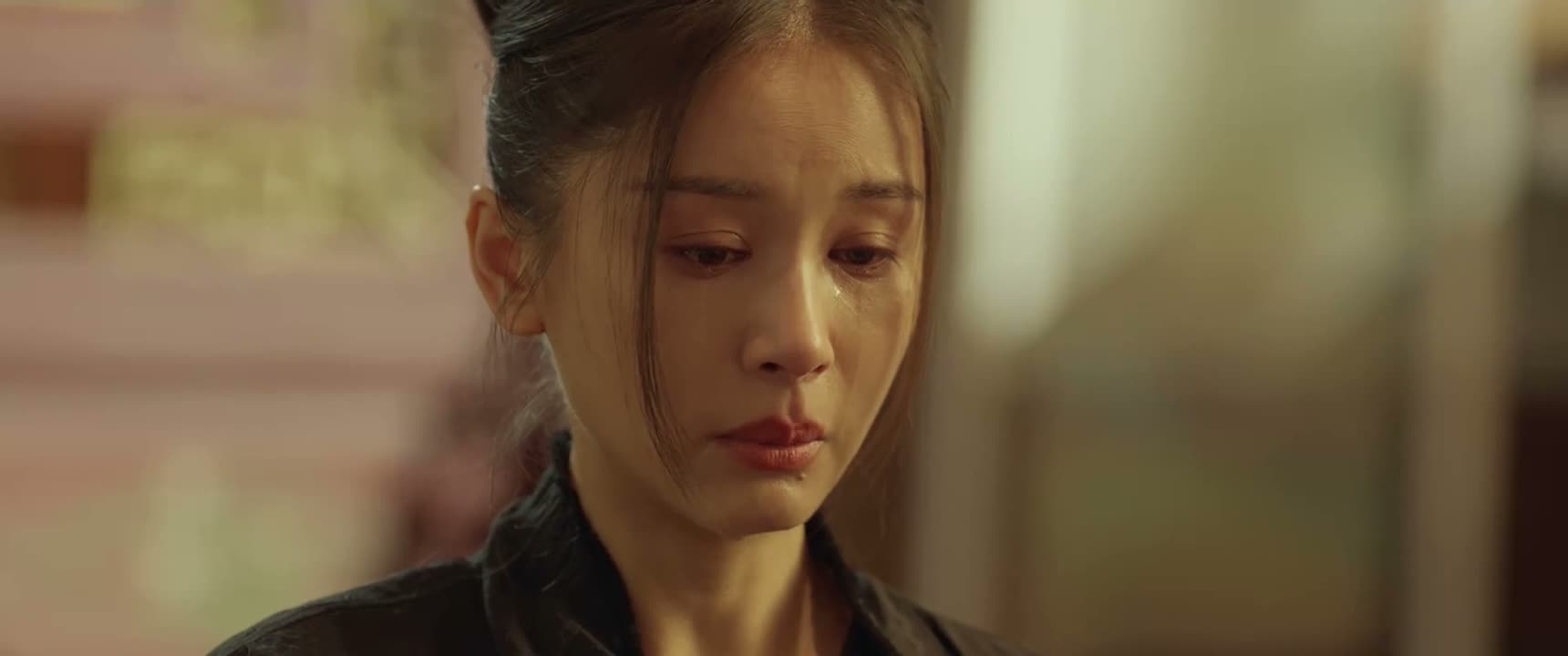
“Nothing can be undone.”

“might not have been beyond saving.”

“there's no turning back.”

“I may not have many ways to make you stay.”

“couldn't save me now.”

“we could never be.”