MC
MandarinClips Cinema Corpus
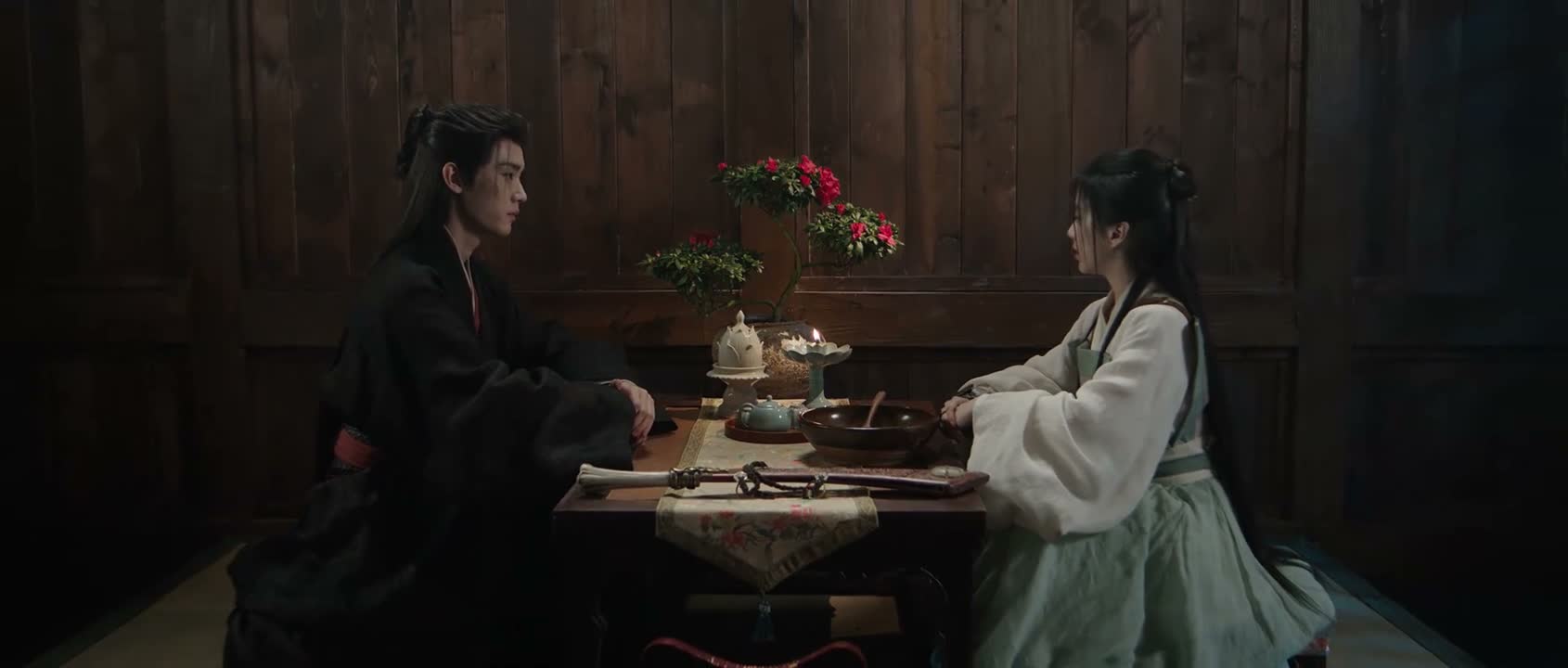
《Agent from Above》 S1·E1 (15:51) HSK 4
wǒ zěn me huì zhǎo tā men má fán a ?

我怎么会找她们麻烦啊?

“I'm not here to cause trouble.”

《Agent from Above》 S1·E1
TIMECODE: 15:51 · 1080P MASTER AUDIO

THE DIALOGUE REEL

1+1+1 SPOKEN CONTINUITY
[-1] PREVIOUS TURN shōu rén qián cái tì rén xiāo zāi

“You know, I only charge for my services if I think I can help.”

wǒ zěn me huì zhǎo tā men má fán a ? CURRENT FOCUS

我 怎么会 找她 们 麻烦 啊 ?

“I'm not here to cause trouble.”

[+1] FOLLOW-UP TURN ( shù shì lìng hóng yī nǚ guǐ hài rén )

(术士令红衣女鬼害人)

“RED-CLOTHED FEMALE GHOST AND WHITE-CLOTHED FEMALE GHOST HARM PEOPLE”

Subtitles synced to millisecond timecode Browse Show Clips →
Scene: Crisis & Conflict
Function: FEIGNING INNOCENCE
Tone: FEIGNED_INNOCENCE
Emotion: INSINCERITY
WHAT THEY REALLY MEAN (PRAGMATIC SUBTEXT)
“Don't look at me like that, I wouldn't hurt a fly (even though I'm about to).”
💡 Cultural Insight: Yin-Yang Hypocrisy in Sorcery Tropes

In Chinese supernatural fiction, dark sorcerers often pay lip service to righteousness while covertly dealing in harm and curses for money.

INTENT TAGS: #feigning_innocence #deflection #denial #deception
🧩

LEARNING CHUNKS & PARTICLES

2 CHUNKS · 1 PARTICLES
找麻烦 SPOKEN CHUNK

to cause trouble / to pick a fight

A quintessential colloquial idiom meaning to harass, pick on, or create difficulty for someone.

怎么会 SPOKEN CHUNK

how could [I/it] possibly

Used rhetorically to strongly deny an allegation or express utter impossibility.

Modal Particle「啊」 (a) CHANGE OF STATE

Softens the rhetorical question while dramatizing the speaker's pretended bewilderment and innocence.

🏮

VOCABULARY & EXPRESSIONS

3 EXPR · 7 GRAMMAR
CROSS-CINEMA CORPUS BOARD · PARALLEL SCENES

Parallel Spoken Cinema Scenes (语义近邻切片)

EXPLORE BY SEMANTIC SIMILARITY
《Agent from Above》 S1·E1 (15:51) · Authentic Cinema Dialogue Corpus