How to say "迟早是要走的" (chí zǎo shì yào zǒu de) in Chinese dialogue
迟早是要走的
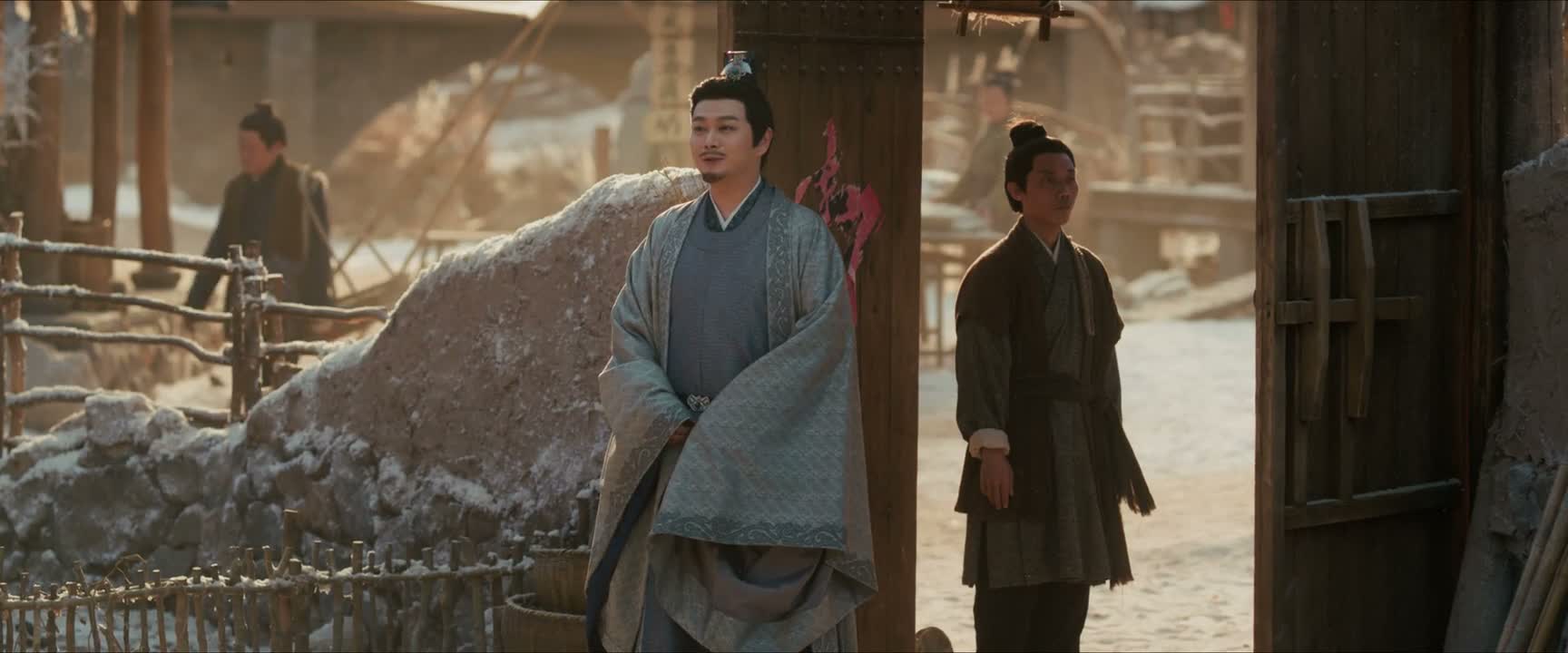
he'd leave sooner or later.
Show Information
Source Media
TV Series
Season & Episode
S1 E13
Clip Timestamp
15:50
TMDB ID
279388
Conversation Context
| Line | Chinese | Pinyin | Translation |
|---|---|---|---|
| 1 | 他呀 | tā ya | that |
| 2▶ | 迟早是要走的 | chí zǎo shì yào zǒu de | he'd leave sooner or later. |
| 3 | 我话里话外问过他好几回 | wǒ huà lǐ huà wài wèn guò tā hǎo jǐ huí | I've hinted at it several times, |
More Clips From Episode
Total 227 clips (Page 5 of 12)
HSK 7
0:03s







HSK 4
0:03s
nà jiù zài tā zǒu zhī qián gēn tā yào gè hái zijust have a baby with him before he goes.

HSK 4
0:03s
yào shì hái zi gēn tā zhǎng dé yī yàng hǎo kànif the child turns out as good-looking as him,



HSK 6
0:03s
shě bù dé wá tào bù zhe lángYou know the saying, "you can't catch a wolf without sacrificing a lamb."

HSK 6
0:03s


HSK 7
0:03s


HSK 7
0:03s

HSK 7
0:03s

HSK 7
0:03s
zhè yī qiè de qī qiāo dōu zhǐ xiàng wèi yánAll these suspicious events pointed to Wei Yan.