妈妈 小仓鼠会不会晕车呀
“Mom, do hamsters get carsick?”
THE DIALOGUE REEL
妈妈 小仓鼠 会不会晕车 呀
“Mom, do hamsters get carsick?”
一定要把它带上吗
“Do we have to bring it?”
“I'm worried about the hamster, do we really have to bring it along on the ride?”
In modern Chinese households, especially among single-child or younger generations, pets are often treated as family members, with children displaying strong empathy and anthropomorphic affection toward them.
LEARNING CHUNKS & PARTICLES
indicates a question or conjecture, meaning 'might it be' or 'is it possible that'
A very high-frequency affirmative-negative question pattern in spoken Chinese, often used to ask about a possibility.
carsickness; motion sickness caused by vehicle movement
A common everyday travel term; similar expressions include 'yun chuan' (seasickness) and 'yun ji' (airsickness).
Used at the end of a question to soften the tone, adding a sense of innocence, intimacy, and concern.
VOCABULARY & EXPRESSIONS
Parallel Spoken Cinema Scenes (语义近邻切片)
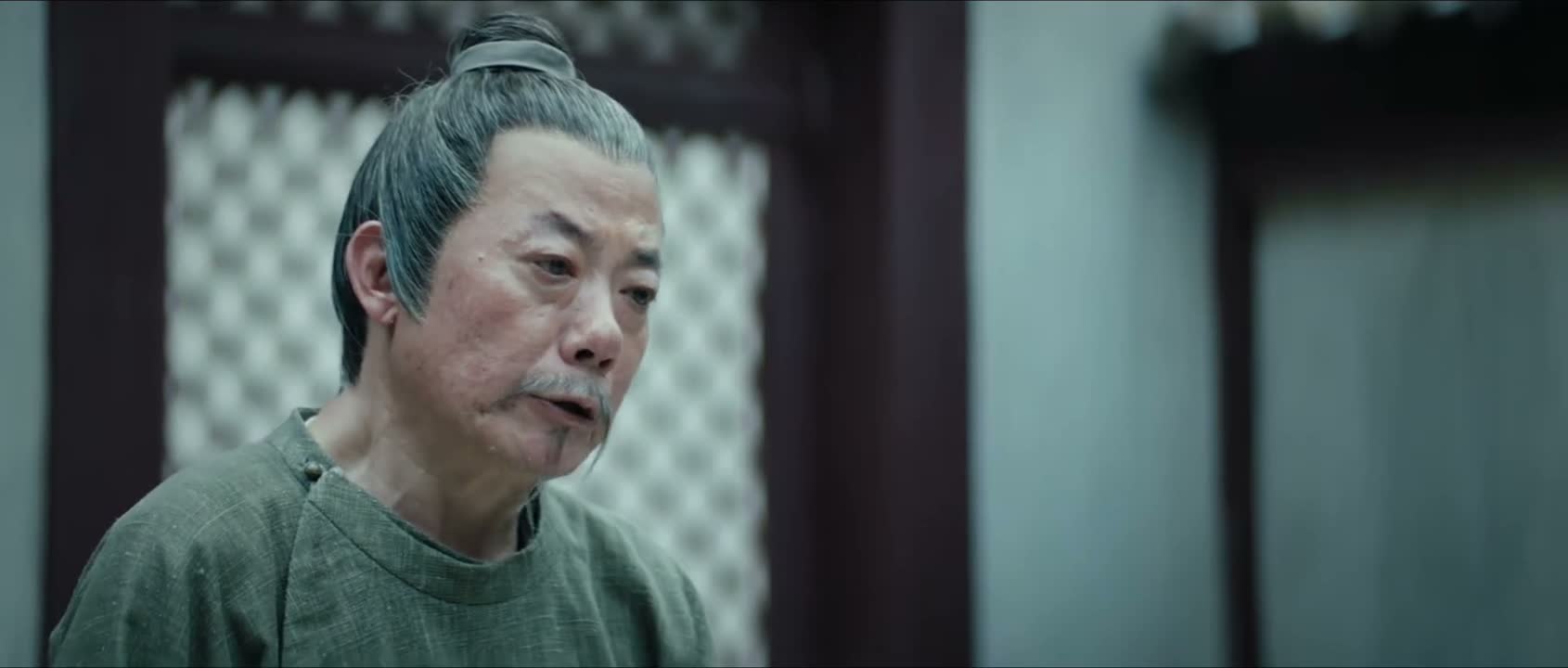
“I was terrified!”

“Because I'm afraid of being punished by God.”

“Of course, she's overwhelmed.”

“still young, and her health isn't good. I don't want to scare her. Don't worry about that.”

“Hey, are we sure this isn't dangerous?”
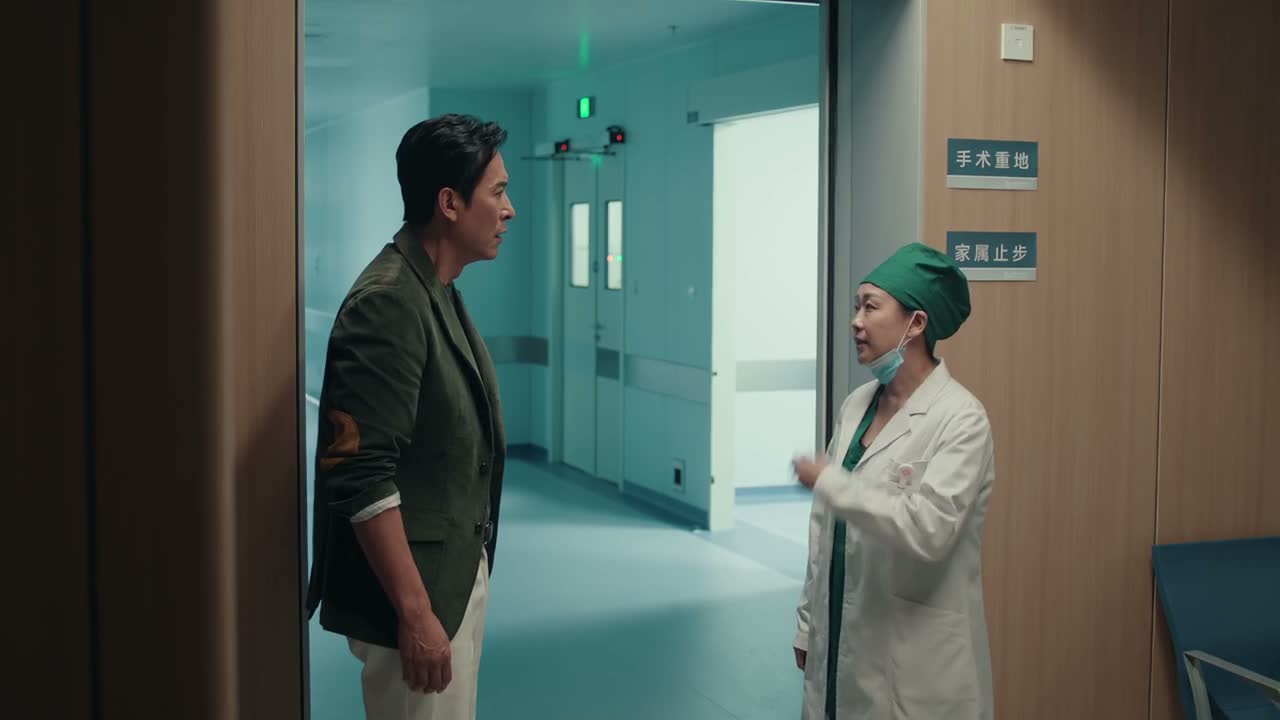
“The mother is stable for now.”