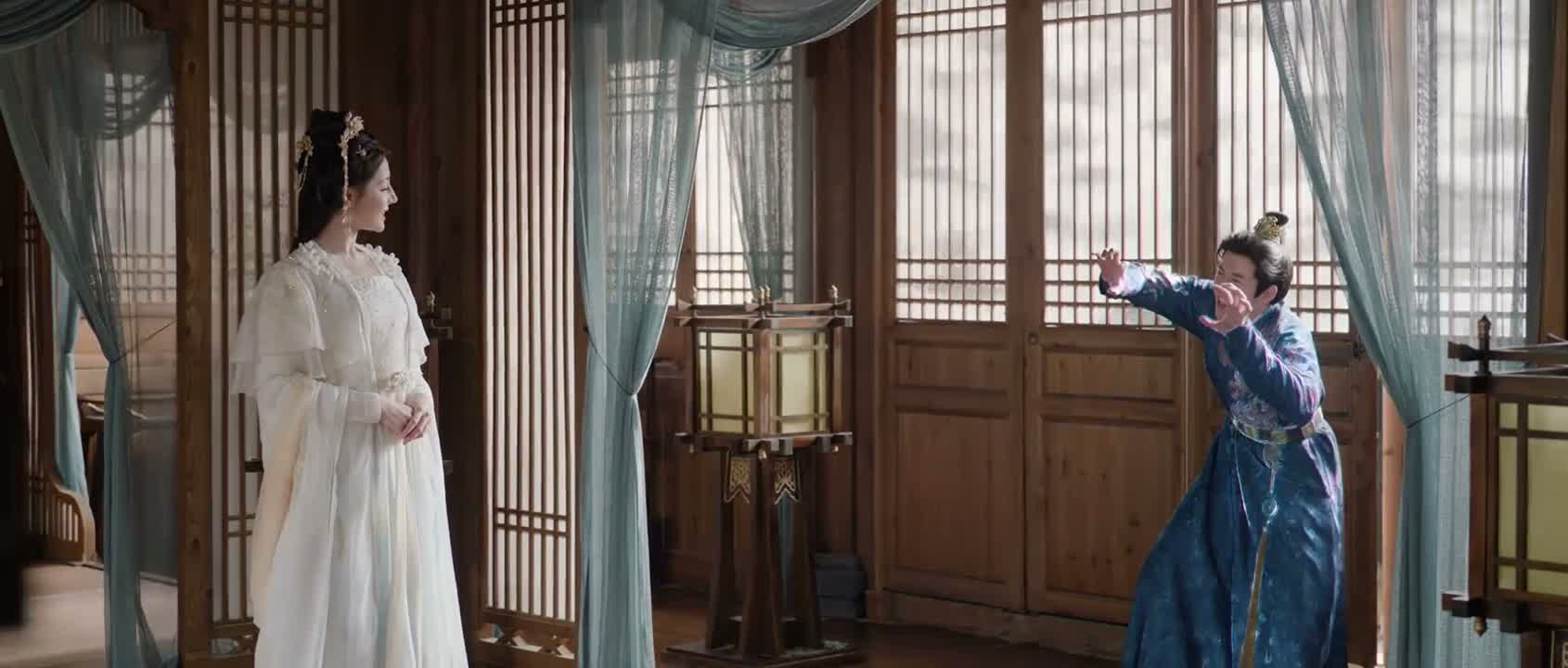
你倒还挺不高兴的
“you're quite unhappy.”
THE DIALOGUE REEL
结果
“But,”
你 倒还挺不高兴的
“you're quite unhappy.”
莫名其妙
“Baffling.”
“You have the nerve to get upset when you're the one in the wrong.”
In interpersonal communication, when the party at fault does not admit their mistake but instead acts aggrieved or angry, it often prompts the other person to retort with the 'ni dao hai...' (you actually have the nerve to...) pattern. This reflects the social expectation in Chinese culture that emotional reactions must be reasonable and justified.
LEARNING CHUNKS & PARTICLES
actually; contrary to expectation; surprisingly
A combination of adverbs used to highlight an unexpected or contrary situation, often conveying dissatisfaction, sarcasm, or reproach.
quite displeased; visibly unhappy
Describes a foul mood; frequently used in rhetorical or sarcastic sentences to call out someone for pouting or being upset without valid justification.
Placed at the end of a sentence to emphasize and affirm an ongoing state or attitude, intensifying the tone of subjective accusation.
VOCABULARY & EXPRESSIONS
Parallel Spoken Cinema Scenes (语义近邻切片)

“You're mad at me? If you hadn't started”

“Both of you look unhappy.”
“Weren't you enjoying yourself?”