我本来是想帮小乐舒解心情的
“I originally wanted to help ease Jiale's mood.”
THE DIALOGUE REEL
真不好意思啊
“I'm really sorry.”
我 本来是想 帮小乐 舒解心情 的
“I originally wanted to help ease Jiale's mood.”
“I didn't expect it to become a trouble for you.”
“I really had good intentions and just wanted to help, so please don't blame me for how things turned out.”
Refers to situations where one genuinely intends to care for or help others, but due to poor methods or uncontrollable factors ends up causing trouble instead. In Chinese interpersonal interactions, stating one's positive original intent first ('ben lai shi xiang...') is a common politeness strategy to seek understanding and forgiveness.
LEARNING CHUNKS & PARTICLES
indicates that one's original intention or plan turned out contrary to the actual outcome
Often used for explanations or self-defense when things go awry; the second clause usually introduces a transition word like 'jie guo' (as a result) or 'xiang bu dao' (unexpectedly).
to ease, relieve, or vent feelings of stress, gloom, or irritation
Used in both formal and casual contexts to describe helping someone alleviate psychological tension or bad mood.
Used sentence-finally as part of the 'shi... de' cleft construction to emphasize the original intention or purpose behind the action.
VOCABULARY & EXPRESSIONS
Parallel Spoken Cinema Scenes (语义近邻切片)
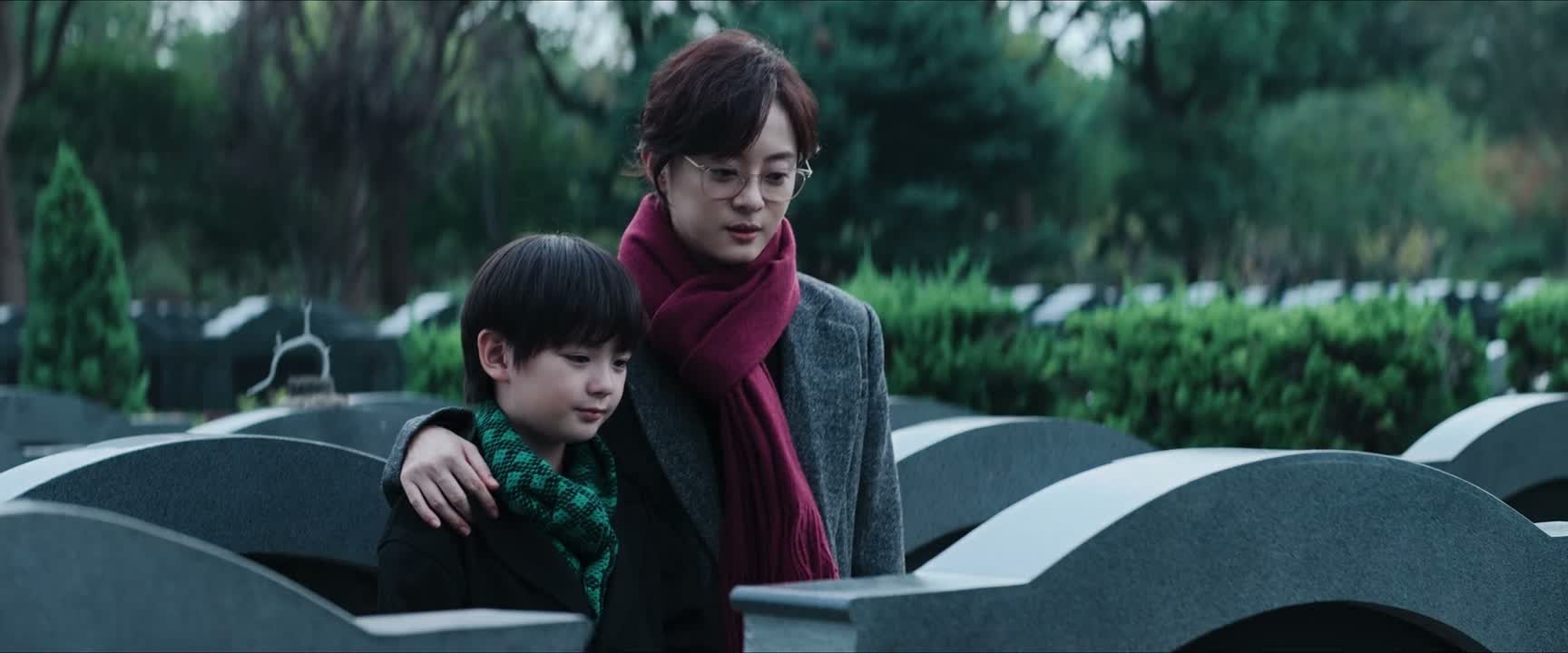
“Jiale and I are doing pretty well now.”
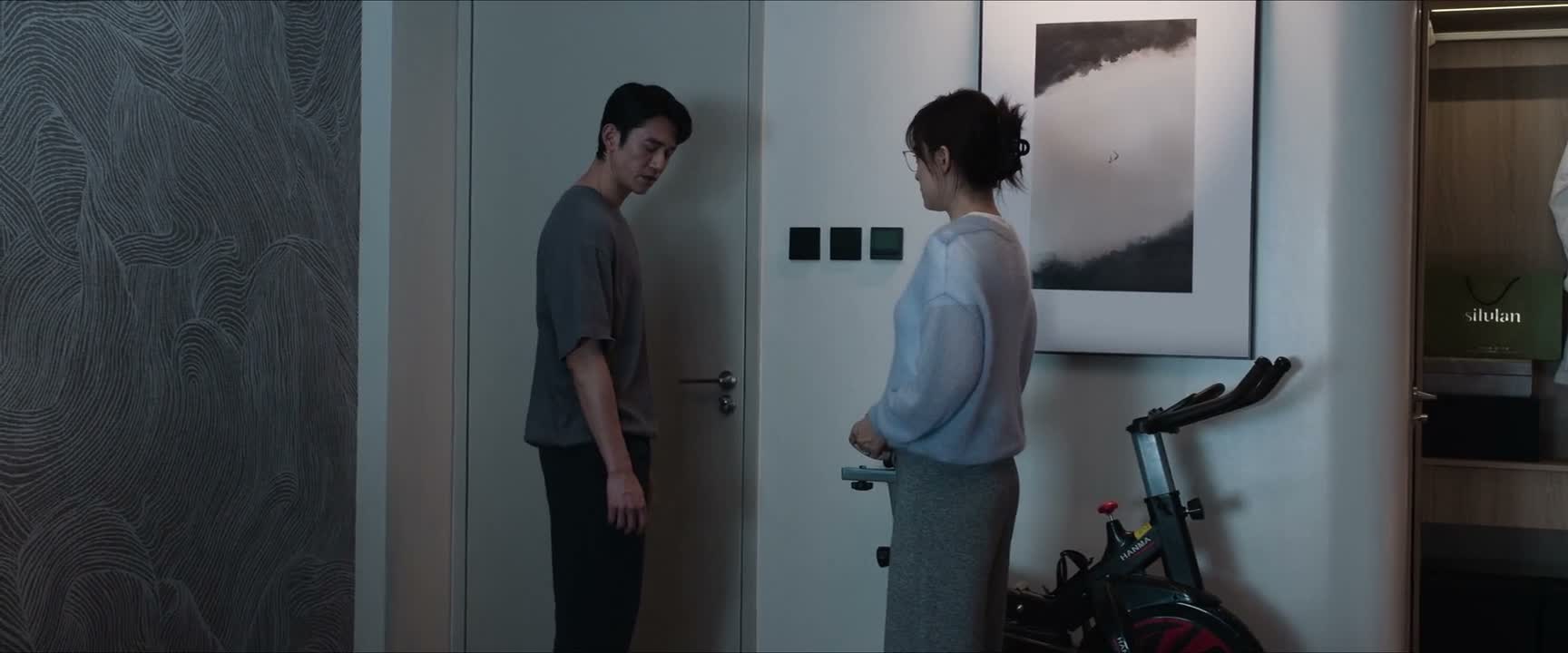
“You say you want to comfort Jiale,”
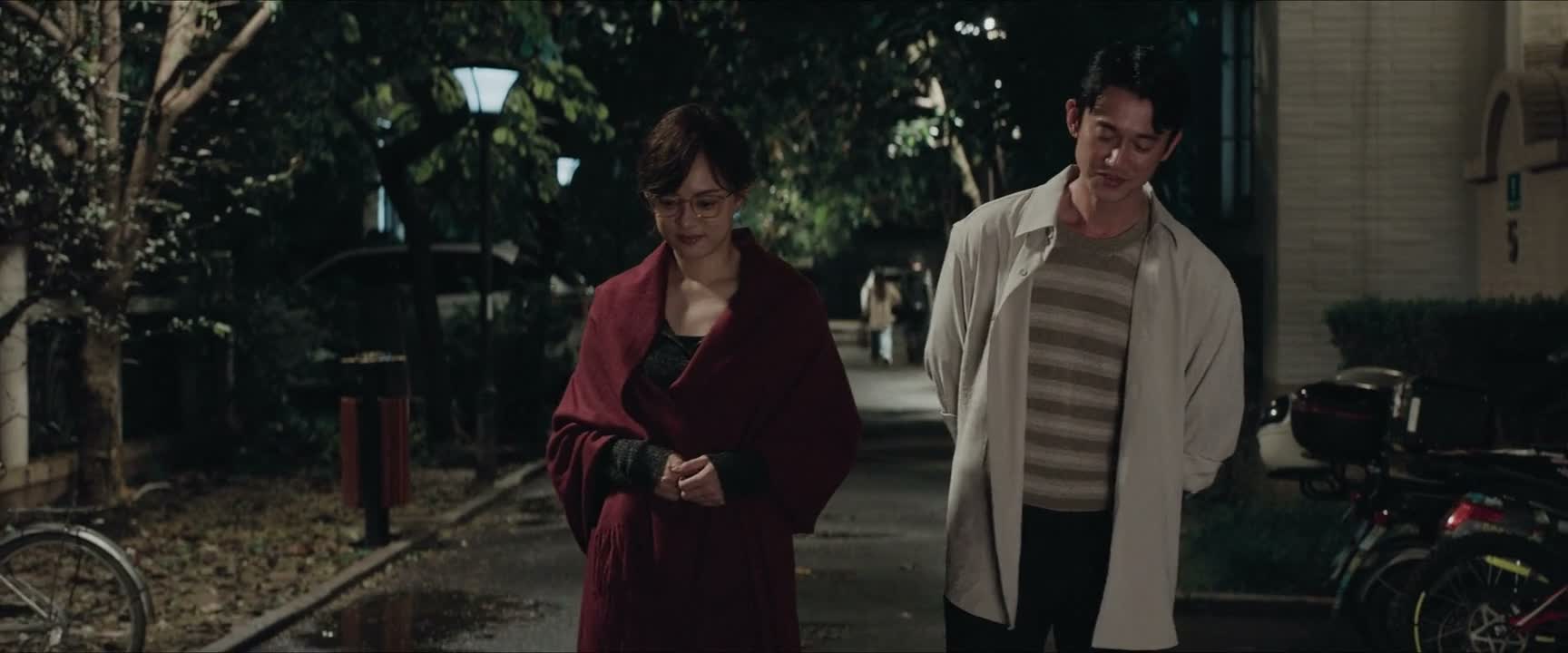
“Actually, it was Jiale who told me that.”
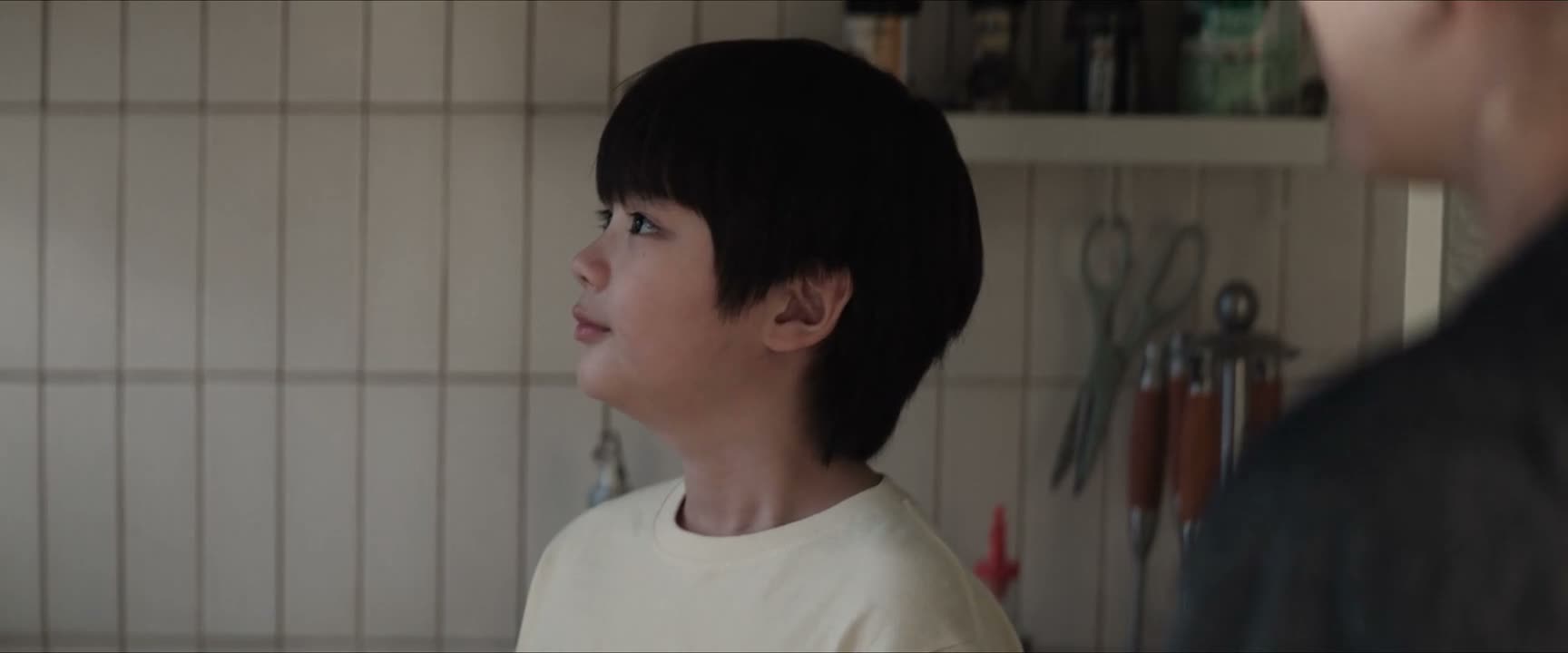
“I discussed it with Jiale today”

“Jiale, I admit I was wrong.”

“I'm very grateful that you brought Jiale back”