想不到现在反而成为你们的麻烦
“I didn't expect it to become a trouble for you.”
THE DIALOGUE REEL
“I originally wanted to help ease Jiale's mood.”
想不到 现在反而成为你们的 麻烦
“I didn't expect it to become a trouble for you.”
不然这样吧
“How about this?”
“I feel terrible that my good intentions backfired and caused you all this trouble, so let me make it up to you.”
Chinese social culture places great emphasis on intentions and interpersonal relationships. When an action done out of goodwill inadvertently causes a burden to others, the speaker usually highlights their well-meaning intentions first to preserve face and rapport, followed by a sincere apology to seek understanding.
LEARNING CHUNKS & PARTICLES
never expected; who would have thought
A common conversational chunk used to introduce an unexpected outcome or a surprising turn of events.
instead turned into; ended up becoming
Indicates that the situation developed contrary to the original intention, often used to express regret, self-blame, or frustration over unintended results.
to cause trouble; to become a burden
A polite social expression frequently used to apologize or show courtesy when inconveniencing others.
VOCABULARY & EXPRESSIONS
Parallel Spoken Cinema Scenes (语义近邻切片)
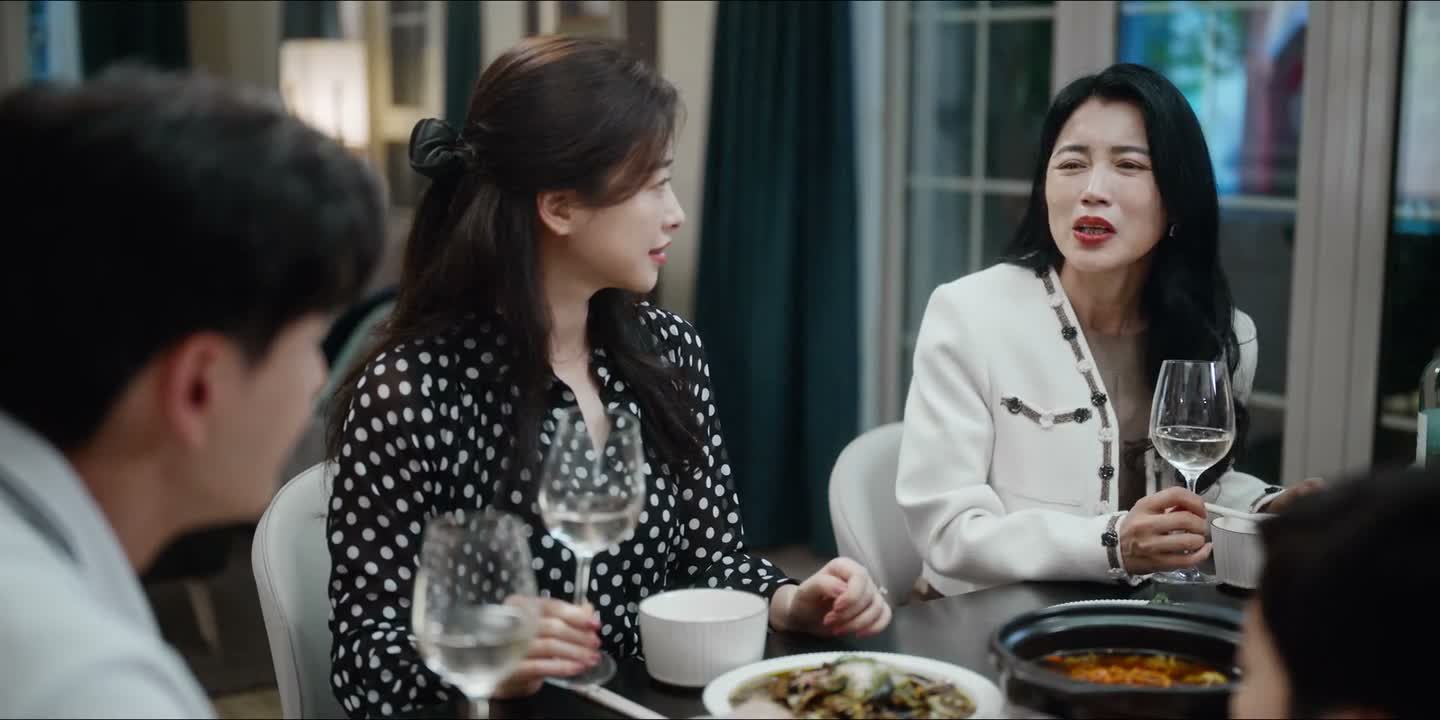
“we've troubled you again.”
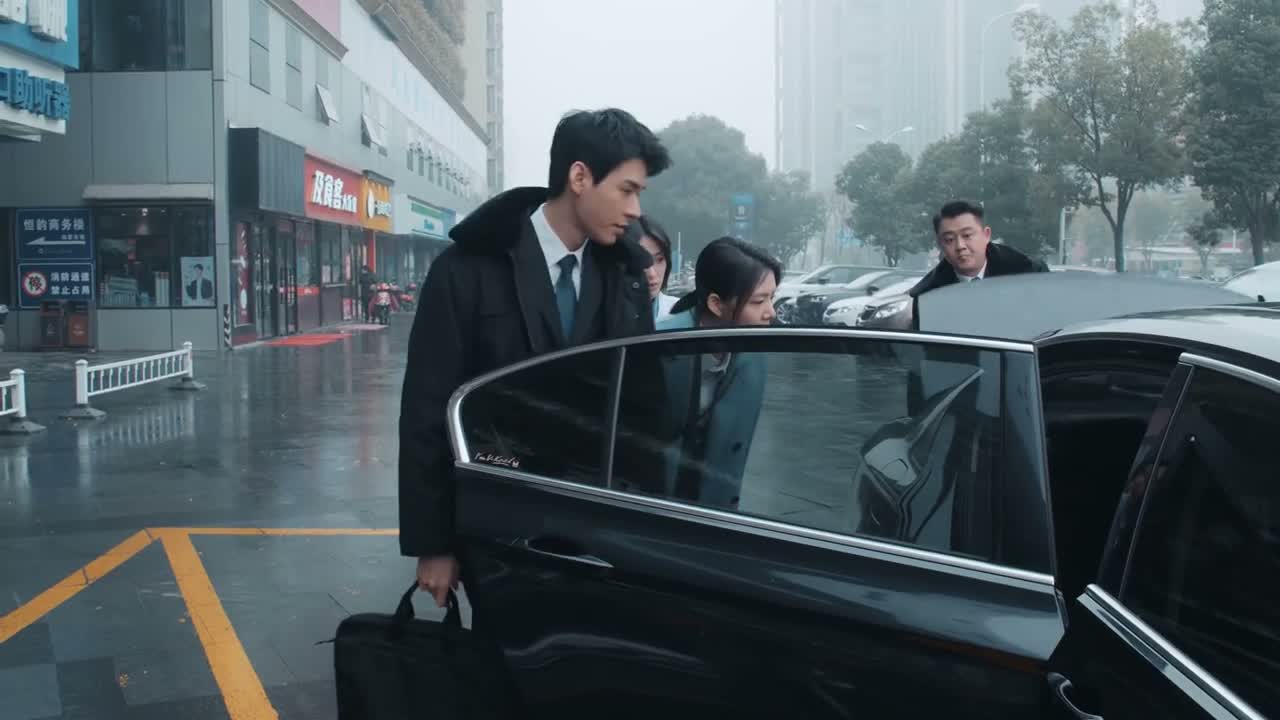
“I've caused all of you trouble again. Sorry.”

“If I become a burden to you,”

“Sorry for causing you trouble again.”