又给你添麻烦了
“Sorry for causing you trouble again.”
THE DIALOGUE REEL
这本来是六房的家务事
“this was originally the Sixth Branch's own family matter.”
又 给你 添麻烦了
“Sorry for causing you trouble again.”
明天我就要启程去外县的松场 少说也要十天半月
“I'll be leaving for the pine yard in another county tomorrow. It will take at least 10 days.”
“I hate having to rely on you for my family's mess, but I have no other choice.”
In Chinese family hierarchies, acknowledging the trouble caused to others preserves social harmony and demonstrates humility.
LEARNING CHUNKS & PARTICLES
to cause trouble; to inconvenience someone
A highly common formulaic expression used to politely apologize for asking favors or bothering others.
Marks a completed event or new state, underlining the reality of having created trouble.
VOCABULARY & EXPRESSIONS
Parallel Spoken Cinema Scenes (语义近邻切片)
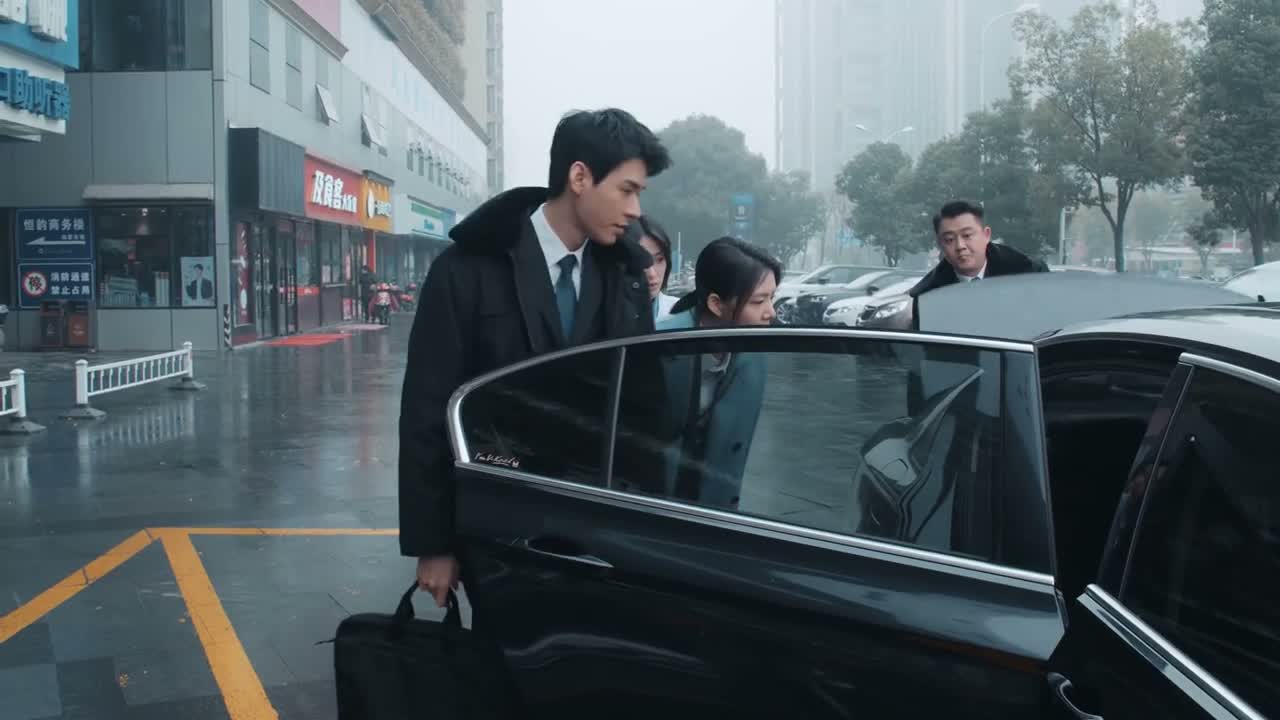
“I've caused all of you trouble again. Sorry.”

“we've bothered you a lot. Thank you.”
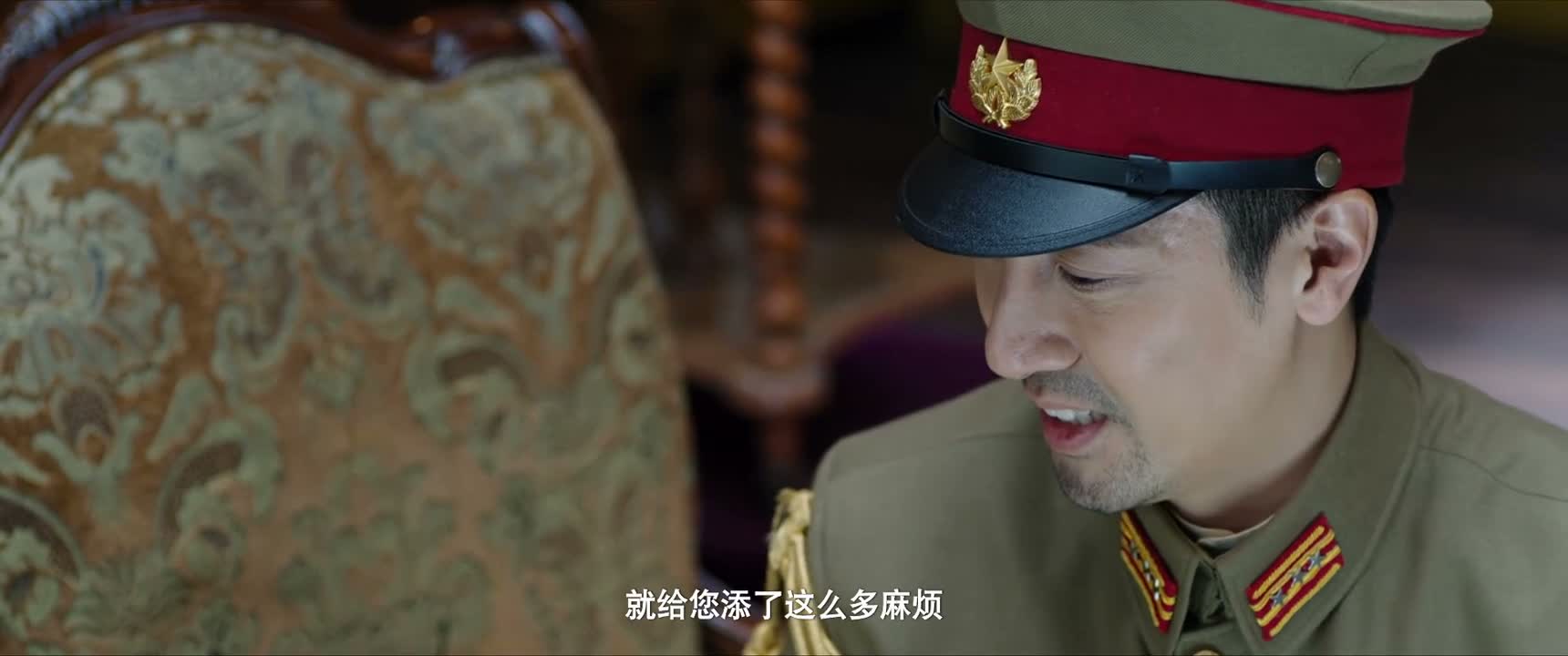
“...so soon after my arrival.”

“have made things difficult for you.”

“Sorry for causing you trouble this time.”

“You are the big trouble instead.”

“Sorry for the trouble. I'll go back and try to deal with it.”

“And of course, for everyone.”

“Wenjun, please.”

“we've troubled you again.”

“Don't talk nonsense. Okay.”

“Sorry to trouble you. Are you cold?”

“I'm sorry for causing you trouble”

“sorry for the trouble.”

“yet I keep bringing you trouble.”

“Bringing her to Shanghai has caused you so much trouble. It's no trouble at all.”

“For the past two days, I've caused you trouble.”

“but I've kept troubling you.”

“Besides, in the days to come, I'll still have to bother you to take care of him, right?”

“I caused you trouble.”

“He's probably just afraid of causing you trouble. His studies aren't great,”

“I caused you so much trouble. I'm so sorry.”

“Sorry for the trouble. Let's talk later if you're free. I'm free.”

“I've really caused you guys a lot of trouble.”
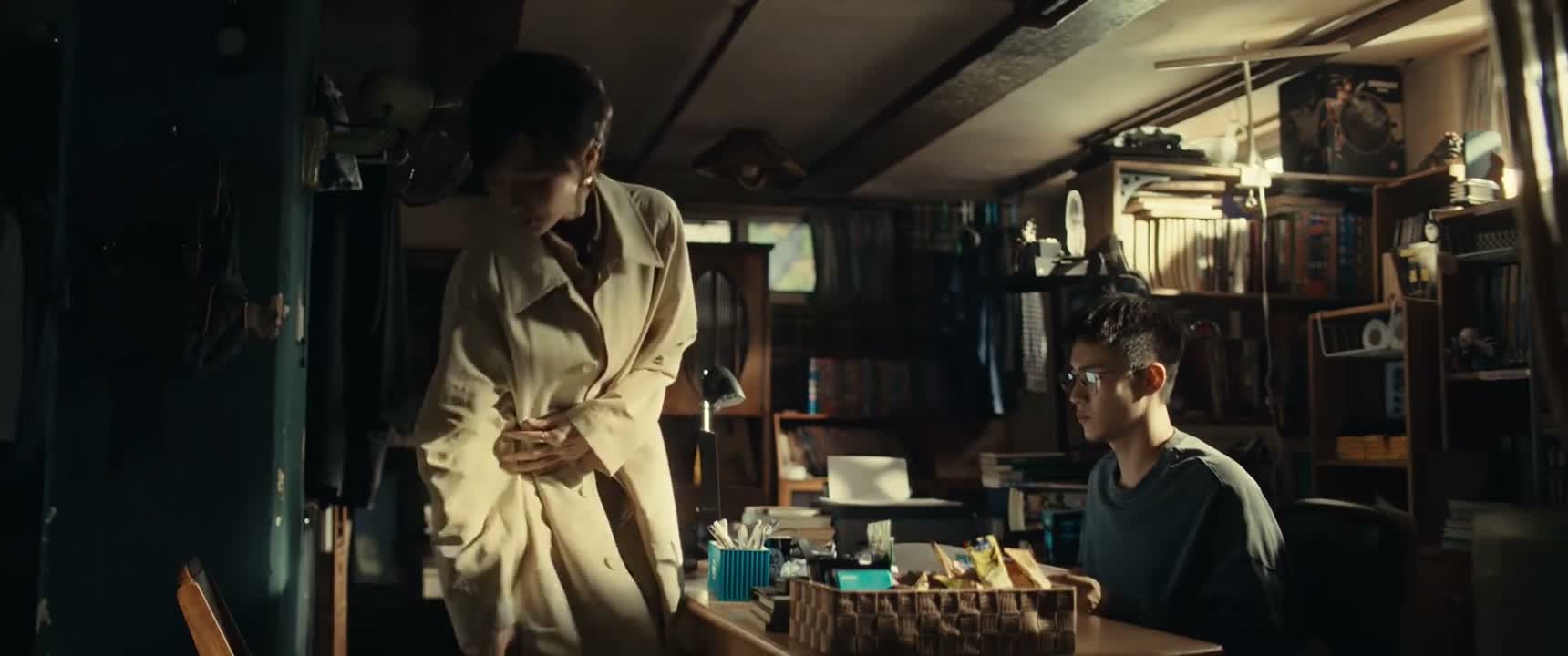
“I've already caused you too much trouble.”

“I didn't expect it to become a trouble for you.”