给您添麻烦了
“sorry for the trouble.”
THE DIALOGUE REEL
老爹
“Dad,”
给您 添麻烦了
“sorry for the trouble.”
Direct spoken expression in this communicative setting.
Expressing regret for burdening others is a cornerstone of Chinese interpersonal etiquette, demonstrating humility and social awareness.
LEARNING CHUNKS & PARTICLES
Sorry for causing you trouble / Thank you for your trouble.
A highly common set phrase used to apologize politely to an elder, customer, or superior when an incident has caused them inconvenience.
Indicates the completion of an action and the realization of a state causing inconvenience.
VOCABULARY & EXPRESSIONS
Parallel Spoken Cinema Scenes (语义近邻切片)

“we've bothered you a lot. Thank you.”

“and end up causing unnecessary trouble for all of you.”
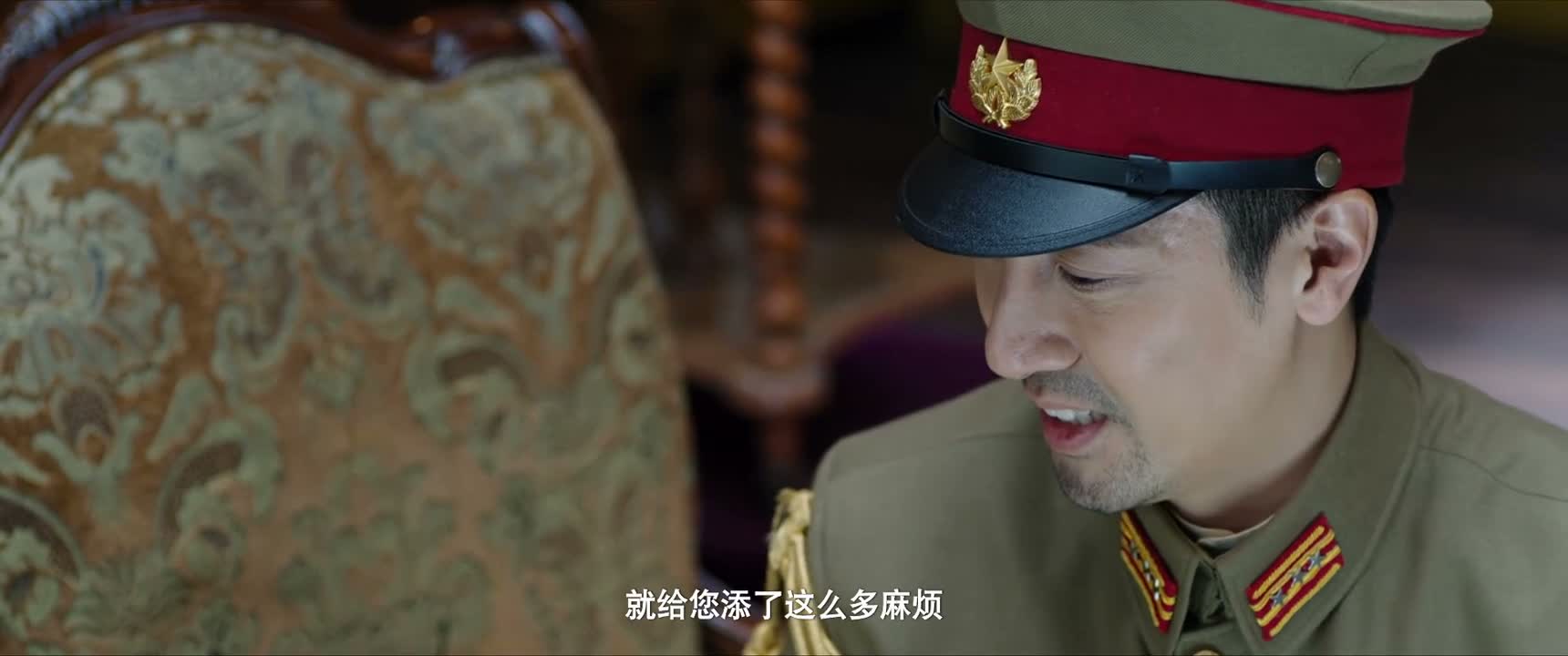
“...so soon after my arrival.”

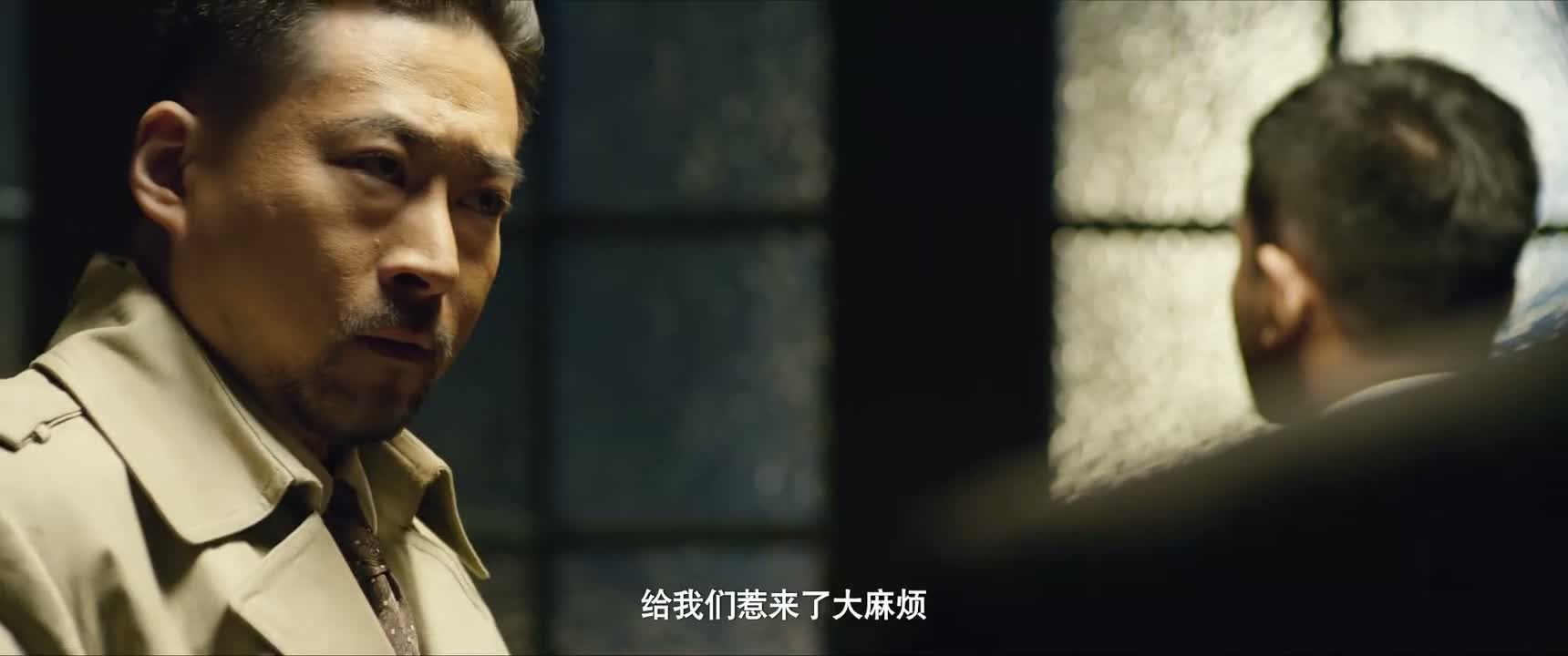
“have made things difficult for you.”

“you're such a hassle.”

“Sorry for causing you trouble this time.”

“Maybe she's afraid of troubling you.”

“Sorry for the trouble. I'll go back and try to deal with it.”

“And of course, for everyone.”
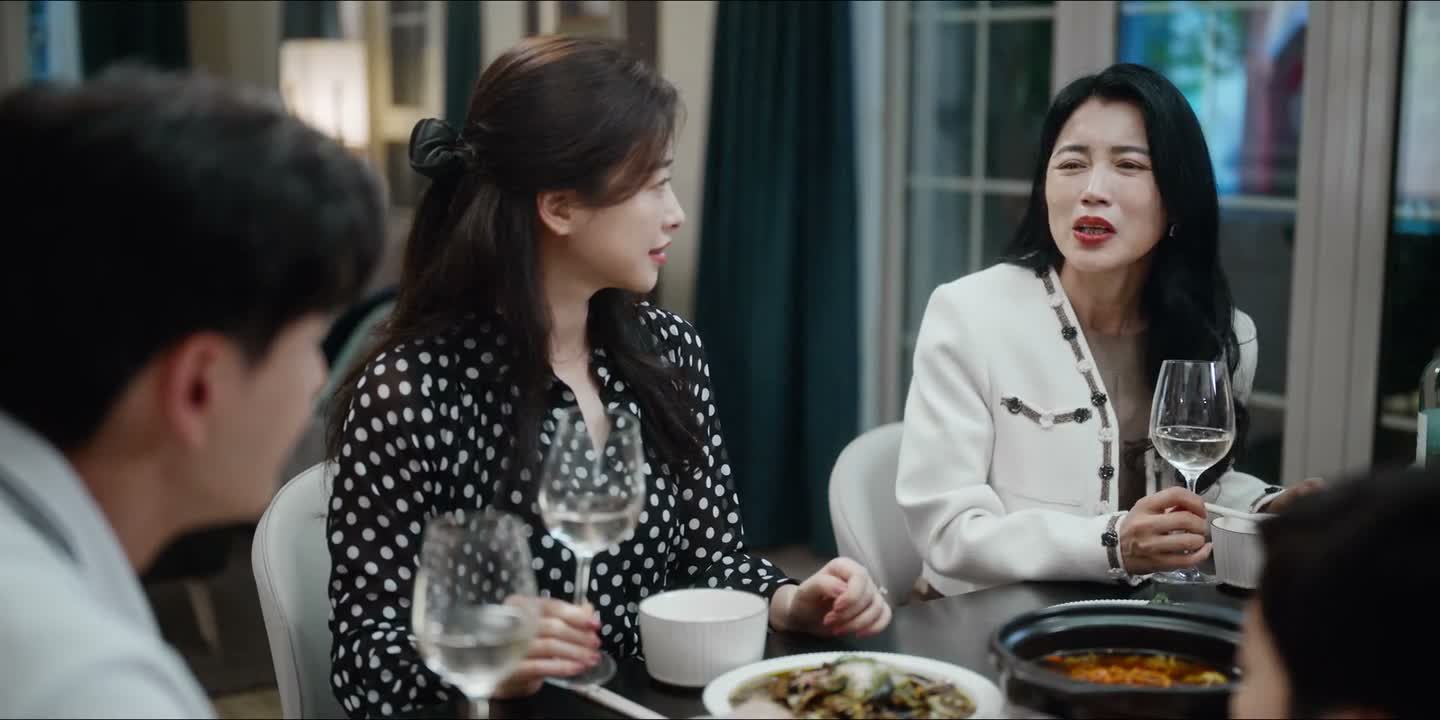
“we've troubled you again.”

“Sorry to trouble you. Are you cold?”

“I'm sorry for causing you trouble”

“You're welcome. It was just a piece of cake.”
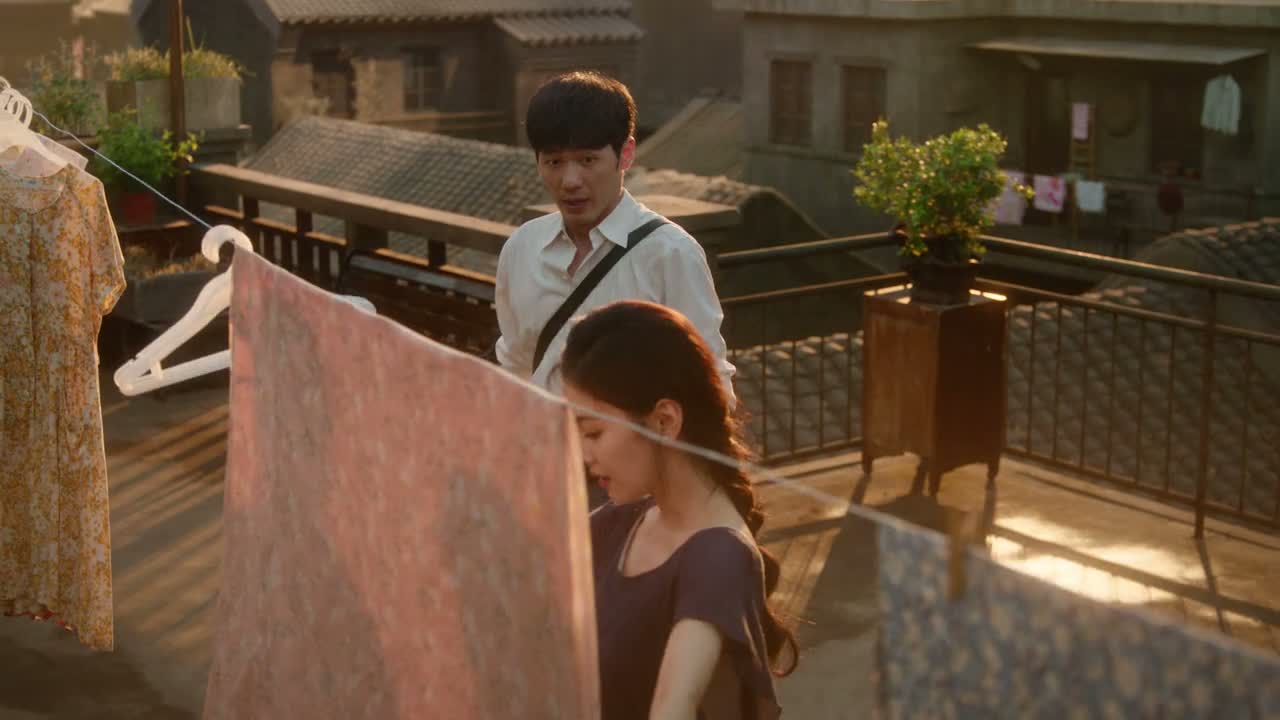
“Why do I need to bother you with this?”

“yet I keep bringing you trouble.”

“Sorry for causing you trouble again.”

“Bringing her to Shanghai has caused you so much trouble. It's no trouble at all.”

“caused you a lot of trouble.”

“For the past two days, I've caused you trouble.”

“but I've kept troubling you.”

“I caused you trouble.”

“He's probably just afraid of causing you trouble. His studies aren't great,”

“Sorry for the trouble. Let's talk later if you're free. I'm free.”

“I've really caused you guys a lot of trouble.”

“I've already caused you too much trouble.”

“who cause me trouble”

“Thank you. You're welcome.”