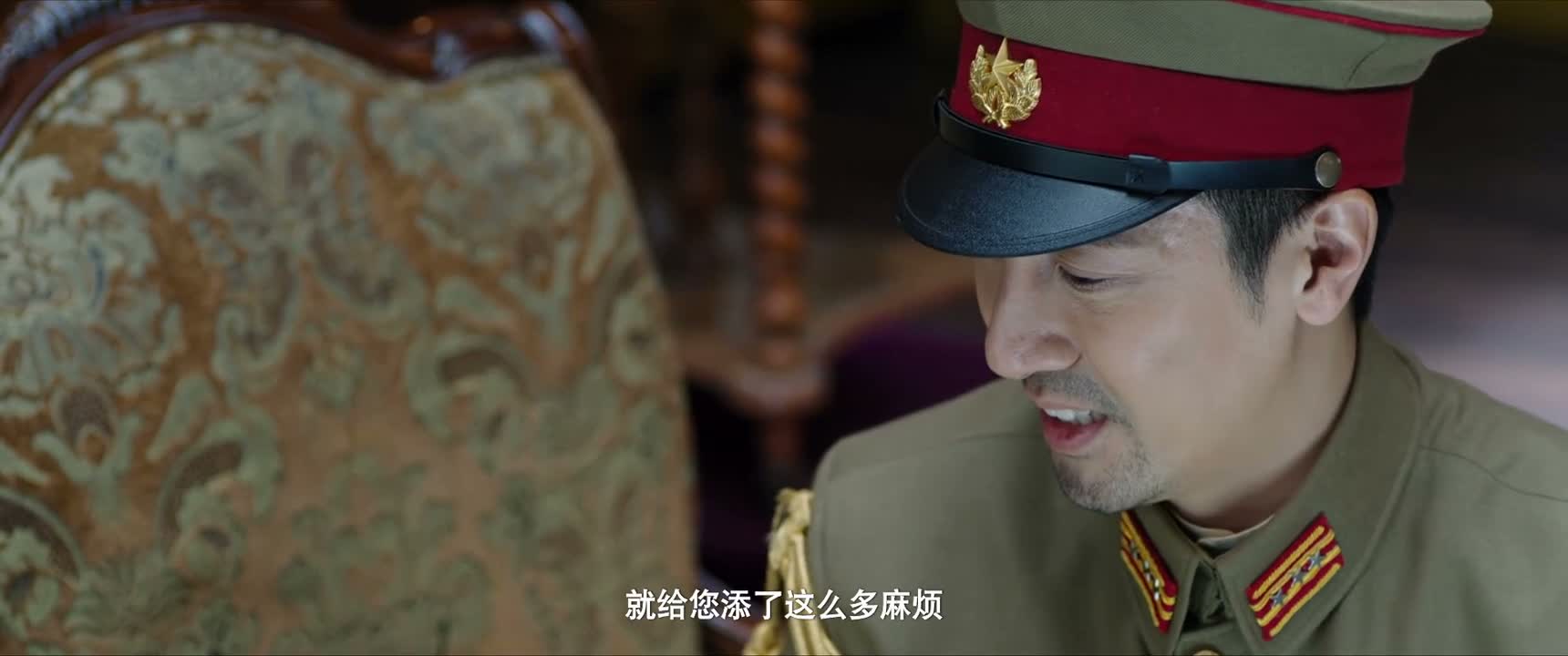
这一次给您添麻烦了
“Sorry for causing you trouble this time.”
THE DIALOGUE REEL
谢谢 太客气了
“Thank you. How kind of you.”
这一次 给您添麻烦了
“Sorry for causing you trouble this time.”
我们会想你的
“We will miss you.”
Direct spoken expression in this communicative setting.
Apologizing for burdening someone, even when customary assistance was given, is a core etiquette rule in Chinese culture to show respect and modesty.
LEARNING CHUNKS & PARTICLES
caused you trouble / sorry for inconveniencing you
A highly common set polite formula used when parting or concluding business to show humility and consideration.
Indicates the completion of the event and seals the courteous acknowledgement.
VOCABULARY & EXPRESSIONS
Parallel Spoken Cinema Scenes (语义近邻切片)

“I caused you so much trouble. I'm so sorry.”
“...so soon after my arrival.”

“have made things difficult for you.”

“Sorry for the trouble. I'll go back and try to deal with it.”

“I know. Please cash it.”

“And of course, for everyone.”

“Wenjun, please.”
“we've troubled you again.”

“Sorry to trouble you. Are you cold?”

“sorry for the trouble.”

“Sorry for causing you trouble again.”

“Bringing her to Shanghai has caused you so much trouble. It's no trouble at all.”

“For the past two days, I've caused you trouble.”

“but I've kept troubling you.”

“I caused you trouble.”

“He's probably just afraid of causing you trouble. His studies aren't great,”

“Sorry for the trouble. Let's talk later if you're free. I'm free.”

“I've really caused you guys a lot of trouble.”

“I've already caused you too much trouble.”

“I've caused trouble for everyone because of this case.”

“I didn't know it would cause you trouble.”
“I've caused all of you trouble again. Sorry.”

“Thank you. You're welcome.”