实在是给你添麻烦了 对不住
“I caused you so much trouble. I'm so sorry.”
THE DIALOGUE REEL
祯娘 昨日
“Zhen, yesterday,”
实在是 给你 添麻烦了 对不住
“I caused you so much trouble. I'm so sorry.”
告辞
“Goodbye.”
Direct spoken expression in this communicative setting.
Chinese politeness norms place great importance on explicitly acknowledging when one has imposed upon or inconvenienced others.
LEARNING CHUNKS & PARTICLES
to cause trouble; to inconvenience someone
The standard polite spoken phrase used when acknowledging that one's actions have imposed upon another person.
sorry; my apologies
A traditional, slightly warmer and more personal spoken apology compared to 'duibuqi'.
Marks the completion of an action that has already resulted in inconvenience to the listener.
VOCABULARY & EXPRESSIONS
Parallel Spoken Cinema Scenes (语义近邻切片)

“I'm sorry for causing you trouble”

“I've really caused you guys a lot of trouble.”
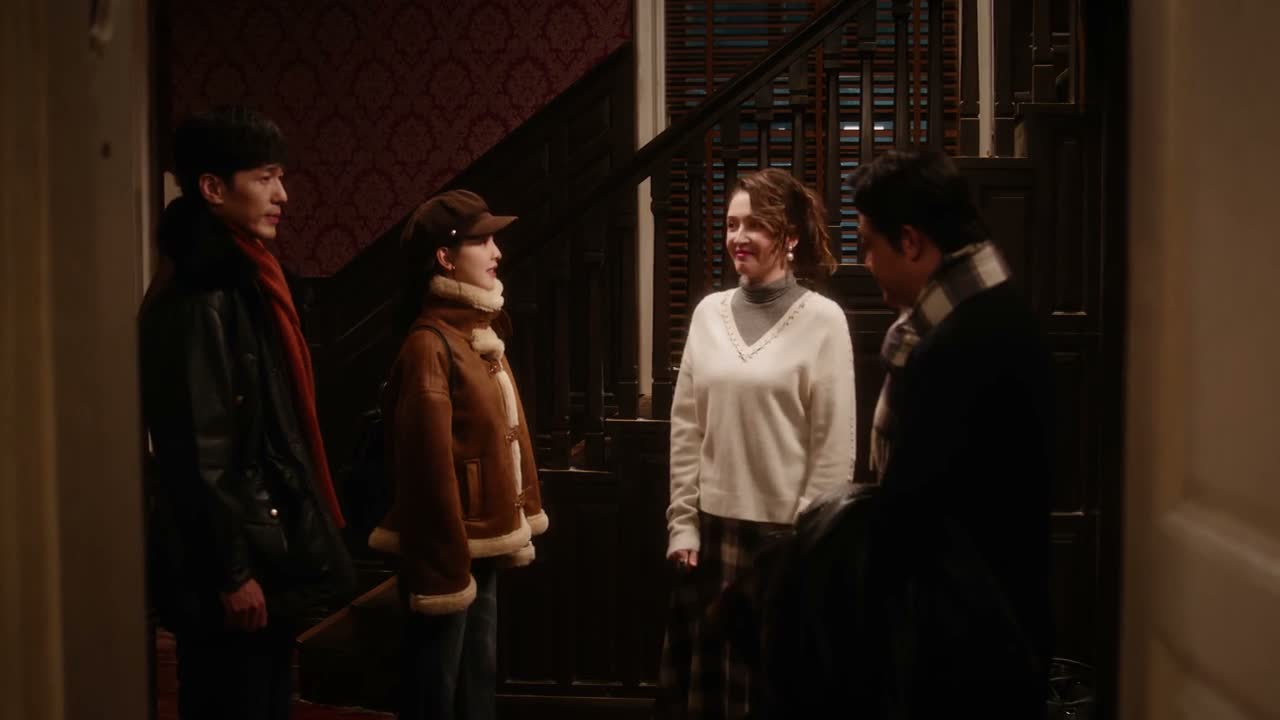
“Sorry for causing you trouble this time.”

“I caused you trouble.”
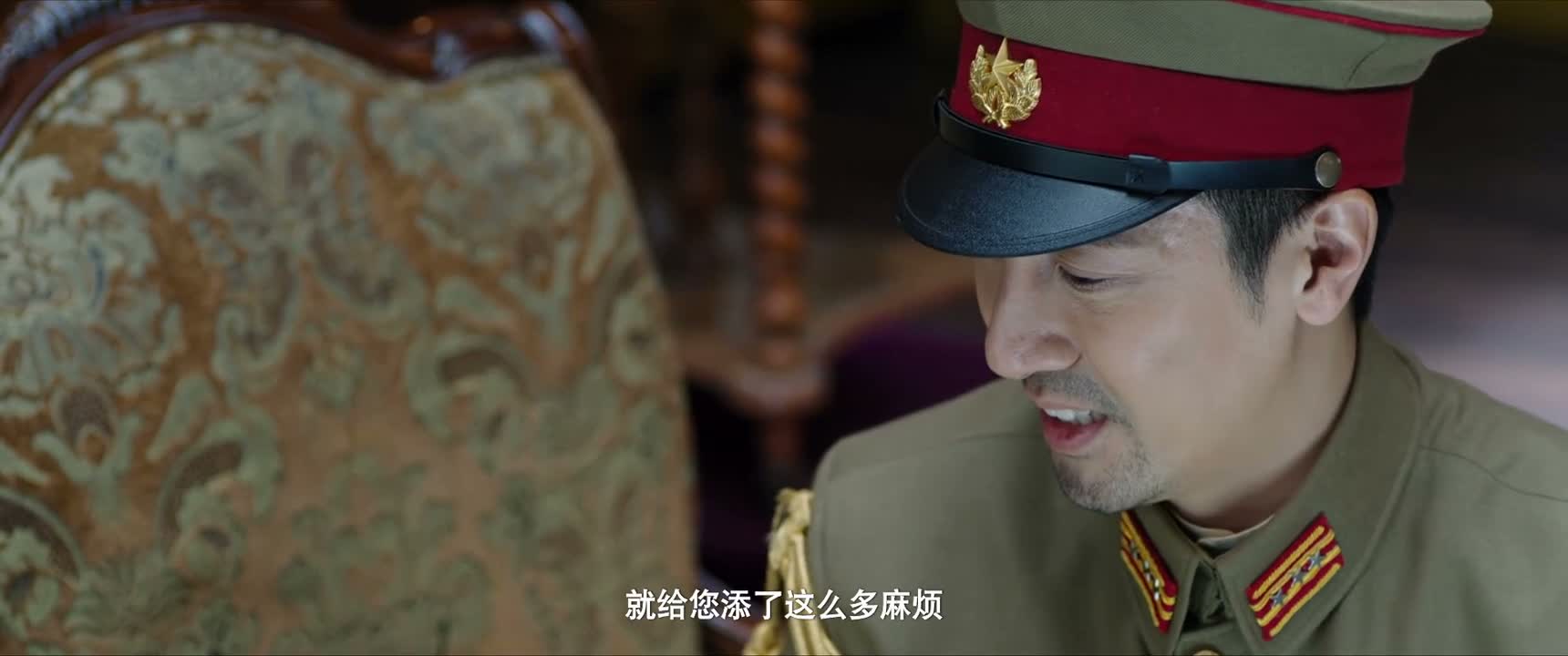
“...so soon after my arrival.”

“I didn't know it would cause you trouble.”

“I must've caused you a lot of trouble. I'm really sorry about that.”
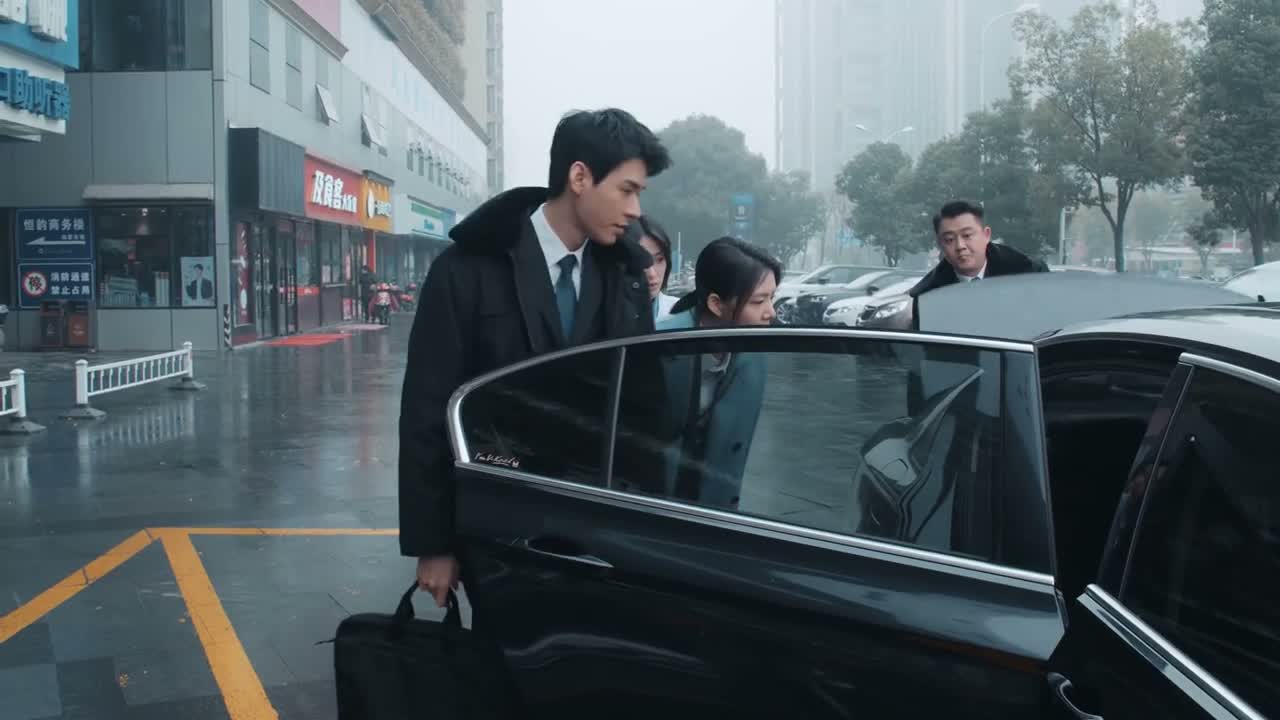
“I've caused all of you trouble again. Sorry.”
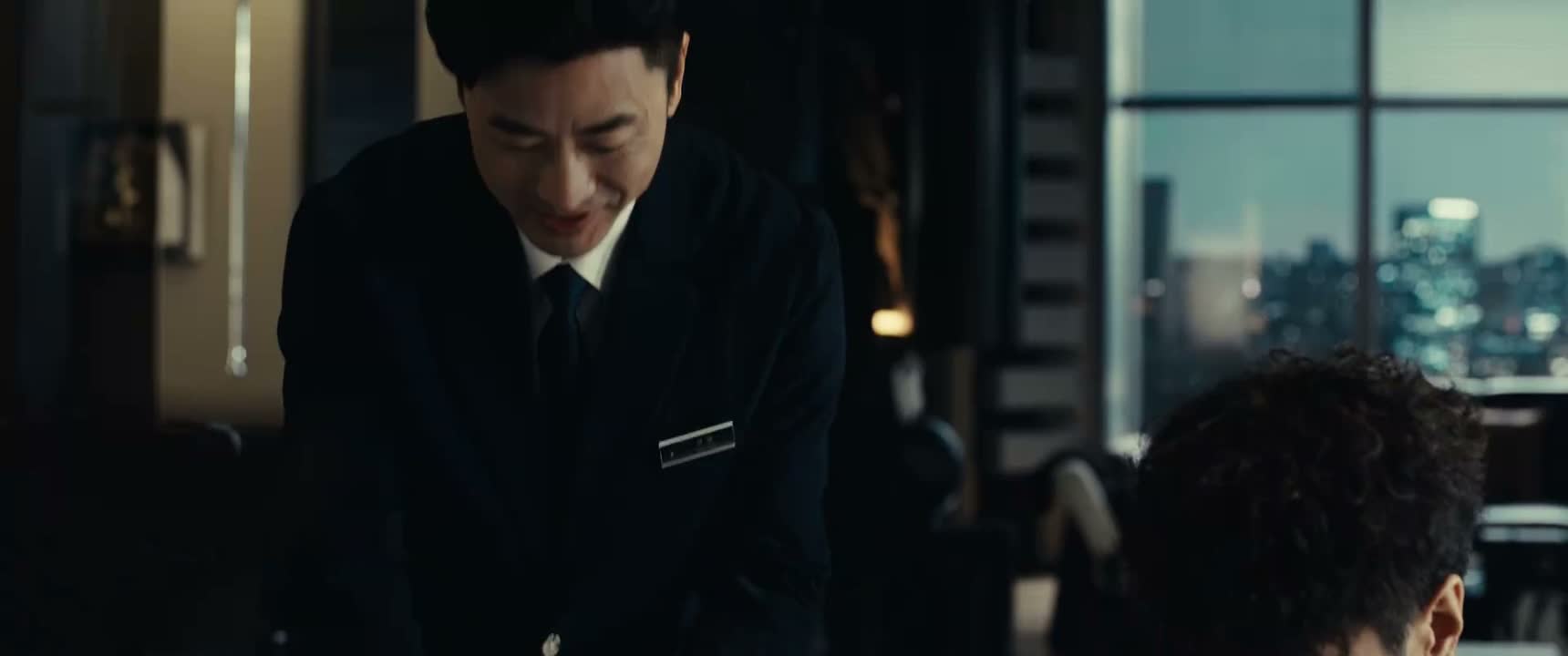
“I'm really sorry for the trouble.”

“Sorry for causing you trouble again.”

“we've bothered you a lot. Thank you.”

“Sorry to have troubled you. If it were not for Mr. Ling,”

“Thank you very much. You're welcome.”

“It's a real headache. It's not your fault.”