对不住
duì bú zhùCommon spoken expression used by native Chinese speakers in daily life.
[Scene: 家庭日常]
(12 clips) 00:02
 00:02
 00:03
(祈求你的原谅) ── Previous context
“Don't say that, Father. I'm sorry for what I did to you.”
 00:02
 00:02
 00:02
 00:03
(舅舅) ── Previous context
“Third Master genuinely feels apologetic toward our family.”
 00:02
 00:03
 00:02
 00:02
 00:02
[Scene: 其他场景]
(8 clips) 00:02
(三哥 别跟她费话 把他们轰走 轰走 对不住) ── Previous context
“I'm sorry. Don't touch my grandpa! Sorry. Don't touch my grandpa!”
 00:03
(对不住 别碰我爷爷 对不住 你们别动我爷爷) ── Previous context
“We'll leave. Don't move! I'm sorry. Don't move!”
 00:02
 00:03
 00:02
 00:03
(怎么) ── Previous context
“Are you forcing your way into my home? We're terribly sorry, Mr. Mao.”
 00:02
 00:02
(阿璃 叶璃 叶璃 你没事吧 怎么回事啊) ── Previous context
“I'm terribly sorry to startle you. What's wrong with you? Control your monkey.”
[Scene: 其他场景]
(5 clips)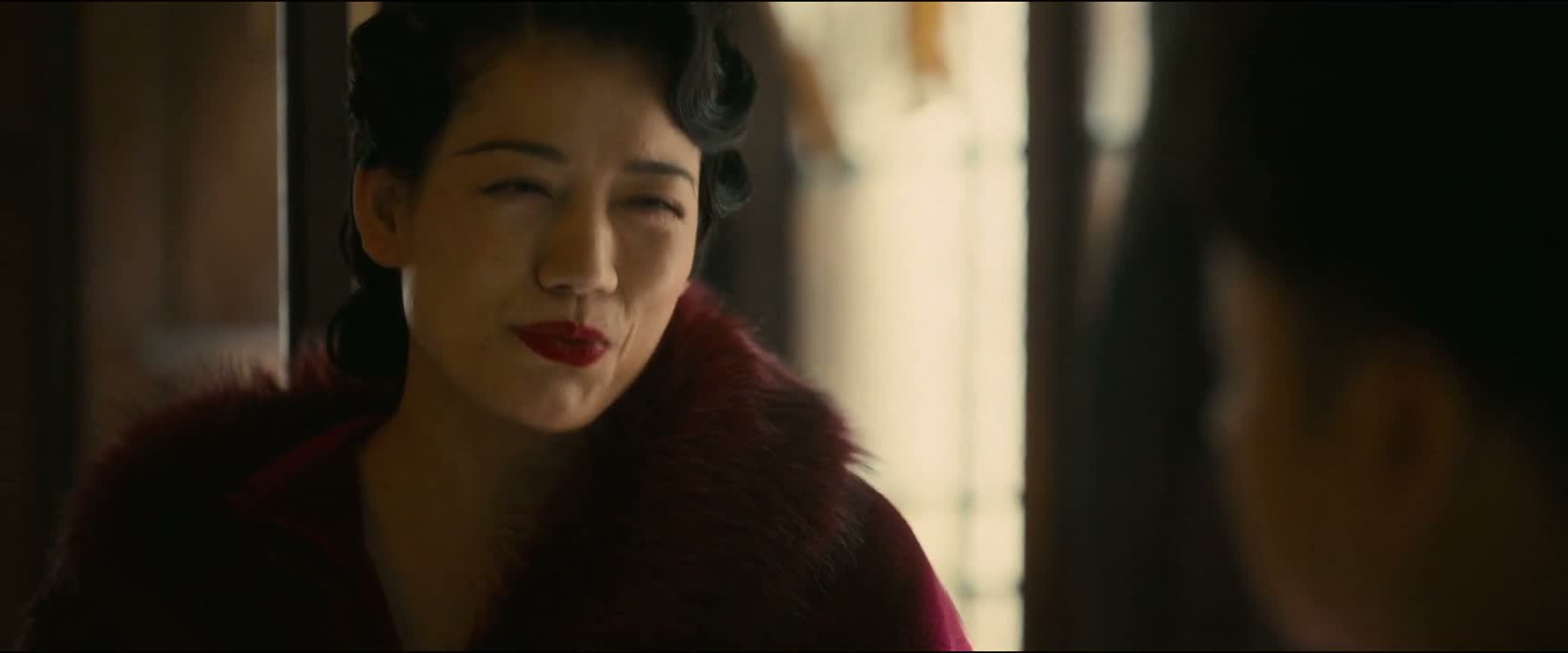 00:03
 00:02
 00:03
(昨天开车扬我一身土 是不是) ── Previous context
“Well, um... I was the one driving yesterday. Sorry, sorry.”
 00:03
(那边看了 没有 走) ── Previous context
“I came at a bad time. I'm really sorry, Sanyuan.”
 00:02
[Scene: 社交聚会]
(5 clips) 00:02
 00:03
 00:02
 00:02
 00:02
[Scene: 历史宫廷]
(4 clips) 00:02
 00:03
(回去) ── Previous context
“I am sorry, Seventh Old Madam. We really have no more pine wood.”
 00:02
 00:03
(谢谢你) ── Previous context
“You won't let me say sorry, then why did you thank me?”
[Scene: 餐饮美食]
(3 clips)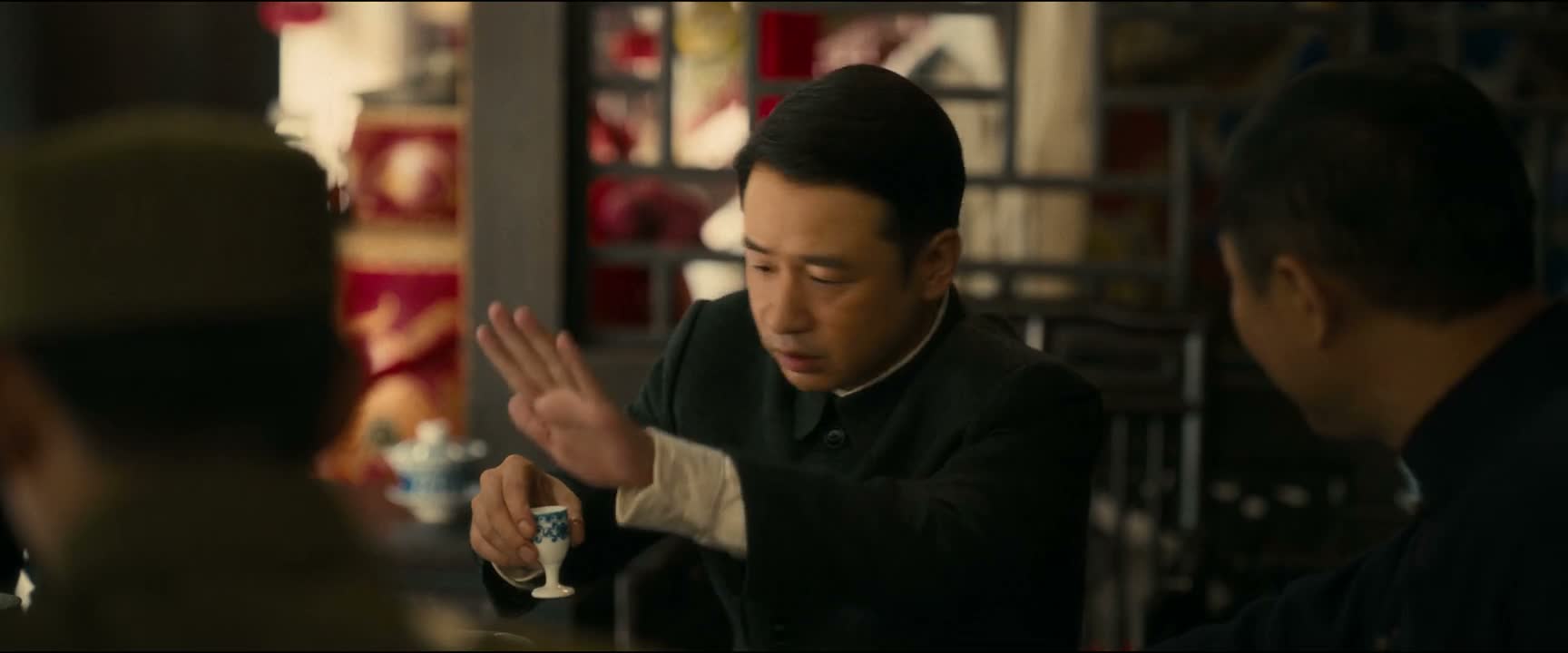 00:03
(就爱说一些扫兴的话 不存在不存在) ── Previous context
 00:03
 00:02
(这样 我晚点过来接你们 你们先吃啊 书记) ── Previous context
“Look after them. My apologies. Sorry.”
[Scene: 职场工作]
(2 clips) 00:02
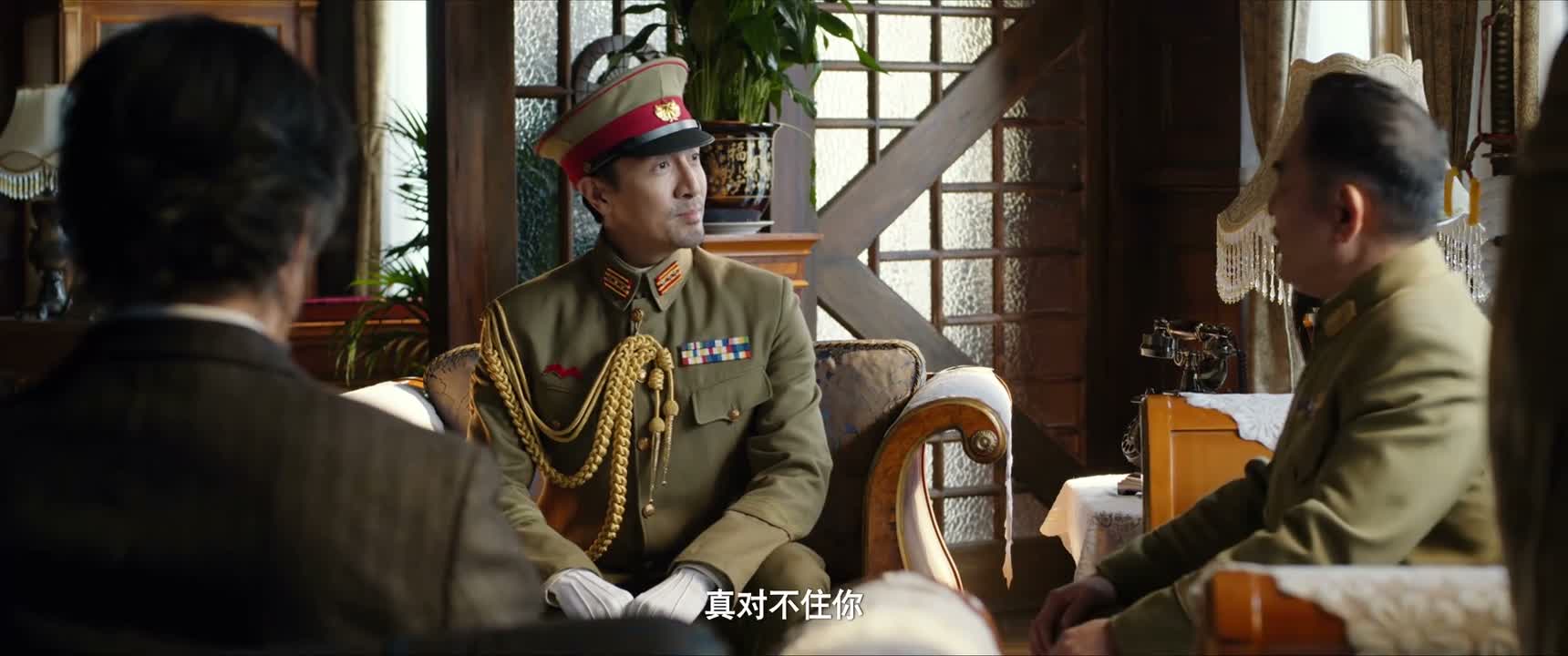 00:02
📌 你说你
→Nuance: 核心交际意图一致,感慨来得不巧
📌 没事
→Nuance: 关切加道歉,交际意图完全一致
📌 怎么办
→Nuance: 同向近义词根配对: [实在 ↔ 真的]
📌 添麻烦
→Nuance: 核心交际意图均为添麻烦致歉
📌 添麻烦
→Nuance: 同为致歉添麻烦,意图一致
📌 对不起
→Nuance: 现代口语中的对应道歉表达
📌 对不起
→Nuance: 愧疚自责心理表达高度同义
📌 小心
→Nuance: 同为因做事毛躁而道歉
📌 不好意思
→Nuance: 同向近义词根配对: [麻烦 ↔ 添麻烦]