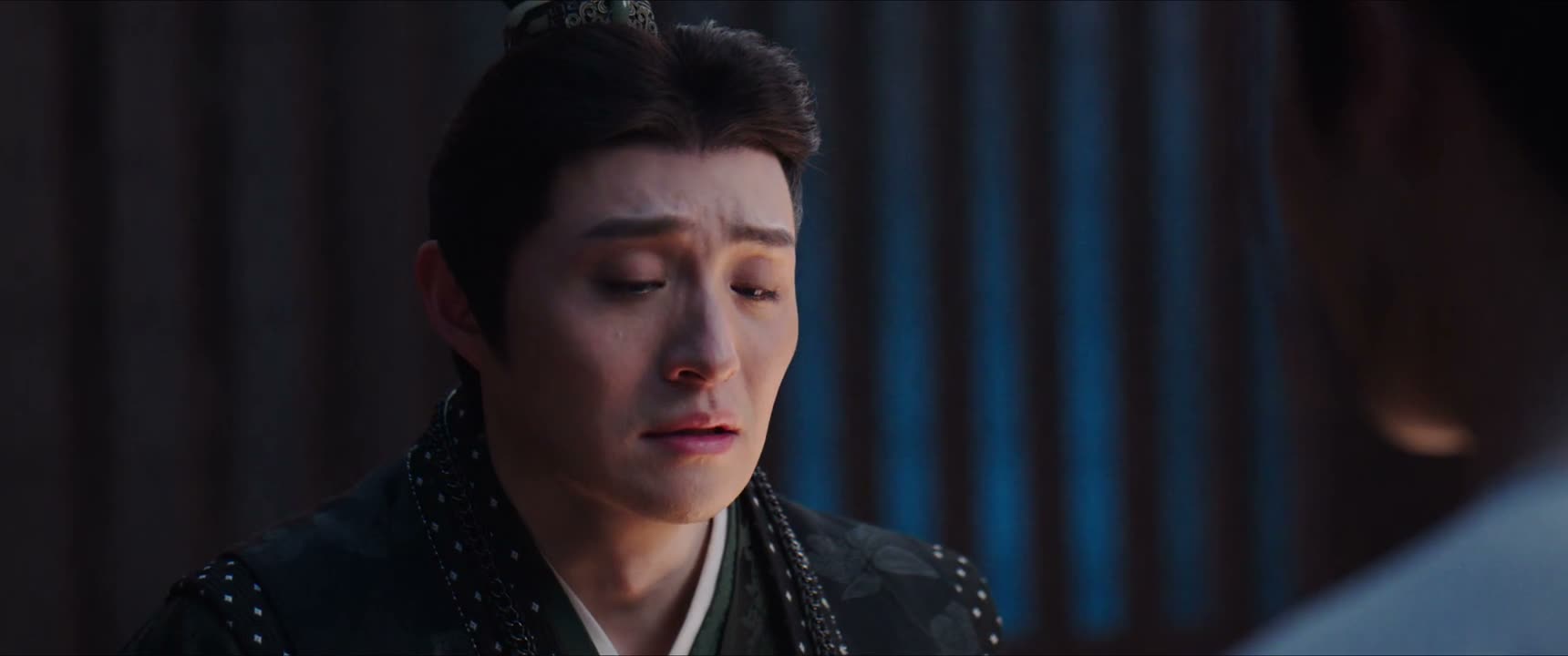
《The Heir》 S1·E28 (22:40)
HSK 1
wǒ zuò le duì bú zhù nǐ de shì
我做了对不住你的事
“I did things that wronged you,”
《The Heir》
S1·E28
TIMECODE: 22:40
·
1080P MASTER AUDIO
THE DIALOGUE REEL
wǒ zuò le duì bú zhù nǐ de shì
CURRENT FOCUS
我做了 对不住你 的事
“I did things that wronged you,”
[+1] FOLLOW-UP TURN
nǐ hái chù chù xiǎng zhe wǒ men
“yet you still think of us all the time.”
Subtitles synced to millisecond timecode
Browse Show Clips →
Scene:
Family & Home
Function:
APOLOGIZING
Tone:
APOLOGETIC
Emotion:
GUILT
WHAT THEY REALLY MEAN (PRAGMATIC SUBTEXT)
Direct spoken expression in this communicative setting.
💡 Cultural Insight: Elder Humility and Reciprocity in Family
In Chinese family hierarchy, elders rarely apologize formally to younger relatives; doing so signifies deep moral guilt heightened by the younger person's continued filial generosity.
INTENT TAGS:
#apology
#confession
#guilt
#remorse
🧩
1 CHUNKS · 1 PARTICLES
LEARNING CHUNKS & PARTICLES
对不住
SPOKEN CHUNK
to let someone down; to wrong someone; to feel sorry toward
A slightly more colloquial and emotionally heavy alternative to 'duibuqi', often used when admitting a serious personal fault.
Modal Particle「了」 (le)
CHANGE OF STATE
Aspect marker after the verb 'zuo' indicating the completion of the wrongful action.
🏮
1 EXPR · 0 GRAMMAR
VOCABULARY & EXPRESSIONS
COLLOQUIAL EXPRESSIONS:
CROSS-CINEMA CORPUS BOARD · PARALLEL SCENES
EXPLORE BY SEMANTIC SIMILARITY
Parallel Spoken Cinema Scenes (语义近邻切片)


《The Heir》 S1·E28 (22:40) · Authentic Cinema Dialogue Corpus