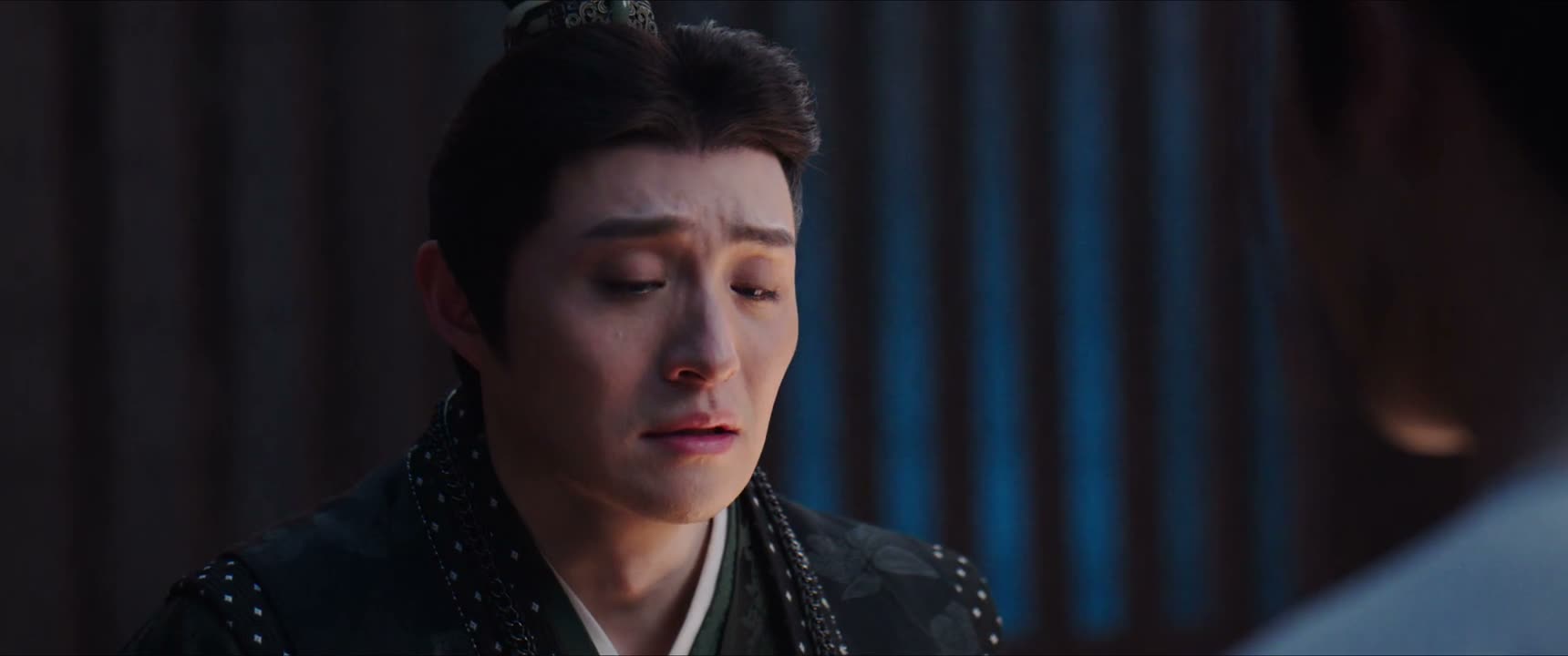
《The Lead》 S1·E13 (27:44)
HSK 3
yǒu hǎo duō dì fāng duì bú zhù nǐ
有好多地方对不住你
“I've let you down in many ways.”
《The Lead》
S1·E13
TIMECODE: 27:44
·
1080P MASTER AUDIO
THE DIALOGUE REEL
[-1] PREVIOUS TURN
zhè xiē nián
这些年
“Over the years,”
yǒu hǎo duō dì fāng duì bú zhù nǐ
CURRENT FOCUS
有 好多 地方 对不住你
“I've let you down in many ways.”
[+1] FOLLOW-UP TURN
duì bù qǐ a
对不起啊
“I'm sorry.”
Subtitles synced to millisecond timecode
Browse Show Clips →
Scene:
Social & Dating
Function:
APOLOGIZING
Tone:
REMORSEFUL
Emotion:
GUILT
WHAT THEY REALLY MEAN (PRAGMATIC SUBTEXT)
“I know I have let you down in so many ways over the years, and it truly weighs heavily on my conscience.”
💡 Cultural Insight: Emotional Debt (Kuisong)
In Chinese relationships, acknowledging that one 'duibuzhu' (let down) the other reflects a profound sense of moral debt and regret for failing mutual relational obligations.
INTENT TAGS:
#apology
#remorse
#confession
#reconciliation
🧩
2 CHUNKS · 0 PARTICLES
LEARNING CHUNKS & PARTICLES
对不住
SPOKEN CHUNK
to let someone down; to wrong someone; to feel guilty toward someone
A deeply sincere, heartfelt spoken apology used between close friends, partners, or family when acknowledging substantive failures or shortcomings over time.
好多地方
SPOKEN CHUNK
many aspects; many areas
Used colloquially to refer to multiple points, flaws, or instances in one's conduct or work.
🏮
2 EXPR · 0 GRAMMAR
VOCABULARY & EXPRESSIONS
COLLOQUIAL EXPRESSIONS:
CROSS-CINEMA CORPUS BOARD · PARALLEL SCENES
EXPLORE BY SEMANTIC SIMILARITY
Parallel Spoken Cinema Scenes (语义近邻切片)

《The Lead》 S1·E13 (27:44) · Authentic Cinema Dialogue Corpus