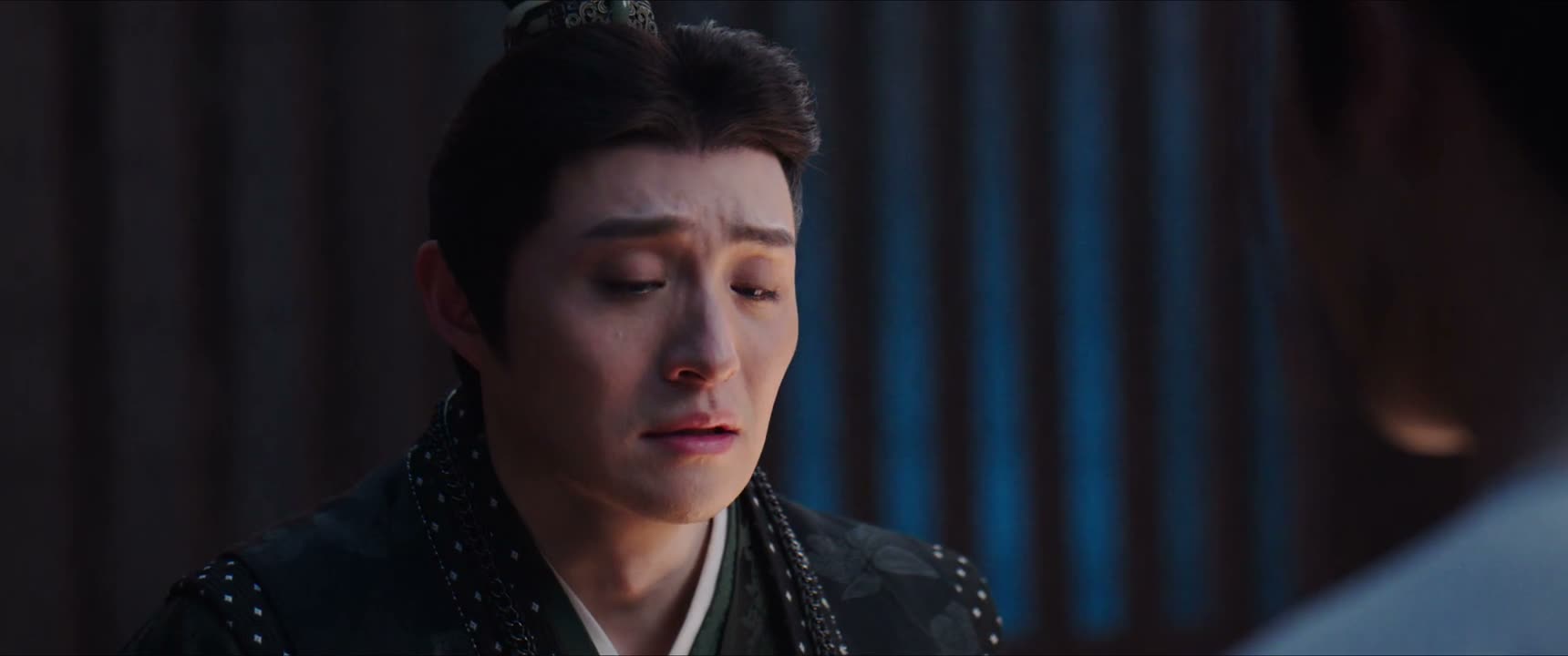
你既不许我说对不住 为何又要对我说谢字
“You won't let me say sorry, then why did you thank me?”
THE DIALOGUE REEL
谢谢你
“Thank you.”
你既 不许 我说 对不住 为何 又要 对我 说谢字
“You won't let me say sorry, then why did you thank me?”
皇祖母
“Grandmother”
“We are one and the same; you don't need to treat me like a polite stranger.”
In close Chinese relationships, excessive expressions of gratitude or apologies can be perceived as distancing ('见外', treating someone as an outsider).
LEARNING CHUNKS & PARTICLES
since... why then...
A useful correlative pattern to point out an inconsistency or double standard in someone's logic or behavior.
to express thanks; to utter polite thanks
A stylized phrasing often found in period dramas meaning to thank someone formally.
VOCABULARY & EXPRESSIONS
Parallel Spoken Cinema Scenes (语义近邻切片)

“I'm sorry. Why do you need to apologize to me?”

“You don't need to apologize to me.”

“Sorry. Sorry. What are you talking about?”
“I'm sorry.”
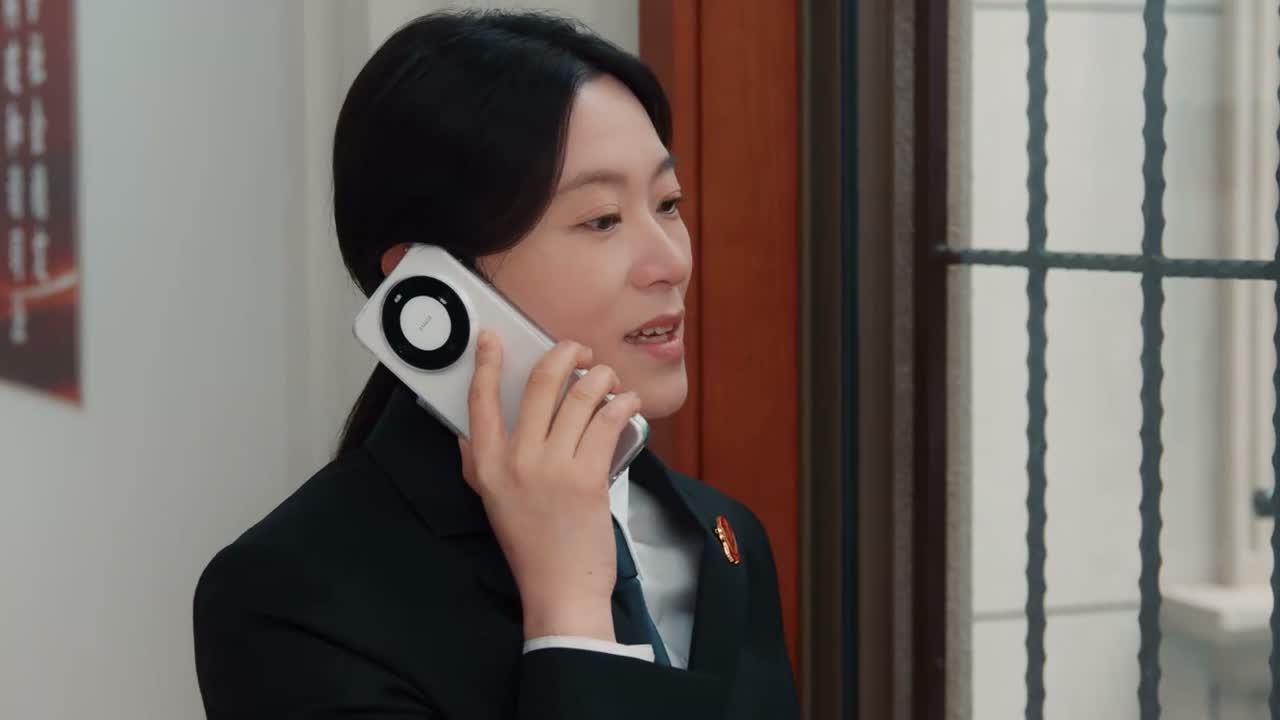
“You don't need to thank me for that.”

“He wanted to thank me. I couldn't really turn him down, right?”