《Coroner's Diary》 S1·E22 (15:24)
HSK 2
duì bú zhù nǐ gēn wǒ yǒu shén me duì bú zhù de
对不住 你跟我有什么对不住的
“I'm sorry. Why do you need to apologize to me?”
《Coroner's Diary》
S1·E22
TIMECODE: 15:24
·
1080P MASTER AUDIO
THE DIALOGUE REEL
[-1] PREVIOUS TURN
zài gōng zhōng yào chù chù jǐn shèn xiǎo xīn
在宫中要处处谨慎小心
“and I must be cautious in the palace.”
duì bú zhù nǐ gēn wǒ yǒu shén me duì bú zhù de
CURRENT FOCUS
对不住 你跟我 有什么对不住的
“I'm sorry. Why do you need to apologize to me?”
Subtitles synced to millisecond timecode
Browse Show Clips →
Scene:
Historical & Court
Function:
REASSURANCE
Tone:
TENDER
Emotion:
AFFECTION
WHAT THEY REALLY MEAN (PRAGMATIC SUBTEXT)
“You don't owe me any apologies—we are in this together, and I will always protect you.”
💡 Cultural Insight: Rejection of Politeness as Intimacy
In Chinese culture, saying 'thank you' or 'sorry' to an intimate partner or close confidant creates emotional distance; rejecting such apologies reaffirms that they are one united entity.
INTENT TAGS:
#reassurance
#bonding
#comforting
#affirming_solidarity
🧩
2 CHUNKS · 1 PARTICLES
LEARNING CHUNKS & PARTICLES
对不住
SPOKEN CHUNK
sorry; to let someone down
A sincere spoken apology expressing that one feels indebted or has wronged someone.
有什么...的
SPOKEN CHUNK
what is there to... (rhetorical rejection)
Used rhetorically to dismiss the necessity or validity of an action, emotion, or statement.
Modal Particle「的」 (de)
CHANGE OF STATE
Asserts categorical emphasis in the rhetorical question structure.
🏮
2 EXPR · 1 GRAMMAR
VOCABULARY & EXPRESSIONS
COLLOQUIAL EXPRESSIONS:
GRAMMAR BLUEPRINTS:
CROSS-CINEMA CORPUS BOARD · PARALLEL SCENES
EXPLORE BY SEMANTIC SIMILARITY
Parallel Spoken Cinema Scenes (语义近邻切片)
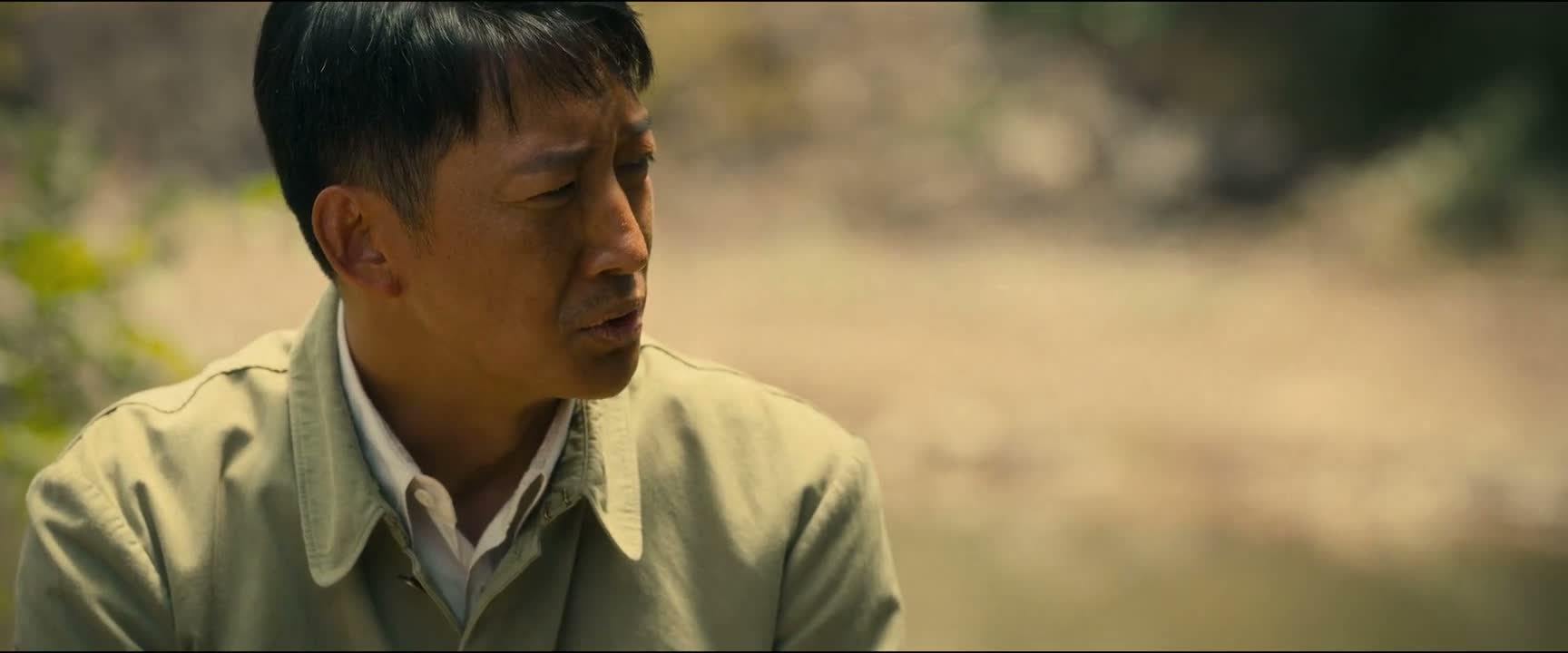
《Coroner's Diary》 S1·E22 (15:24) · Authentic Cinema Dialogue Corpus