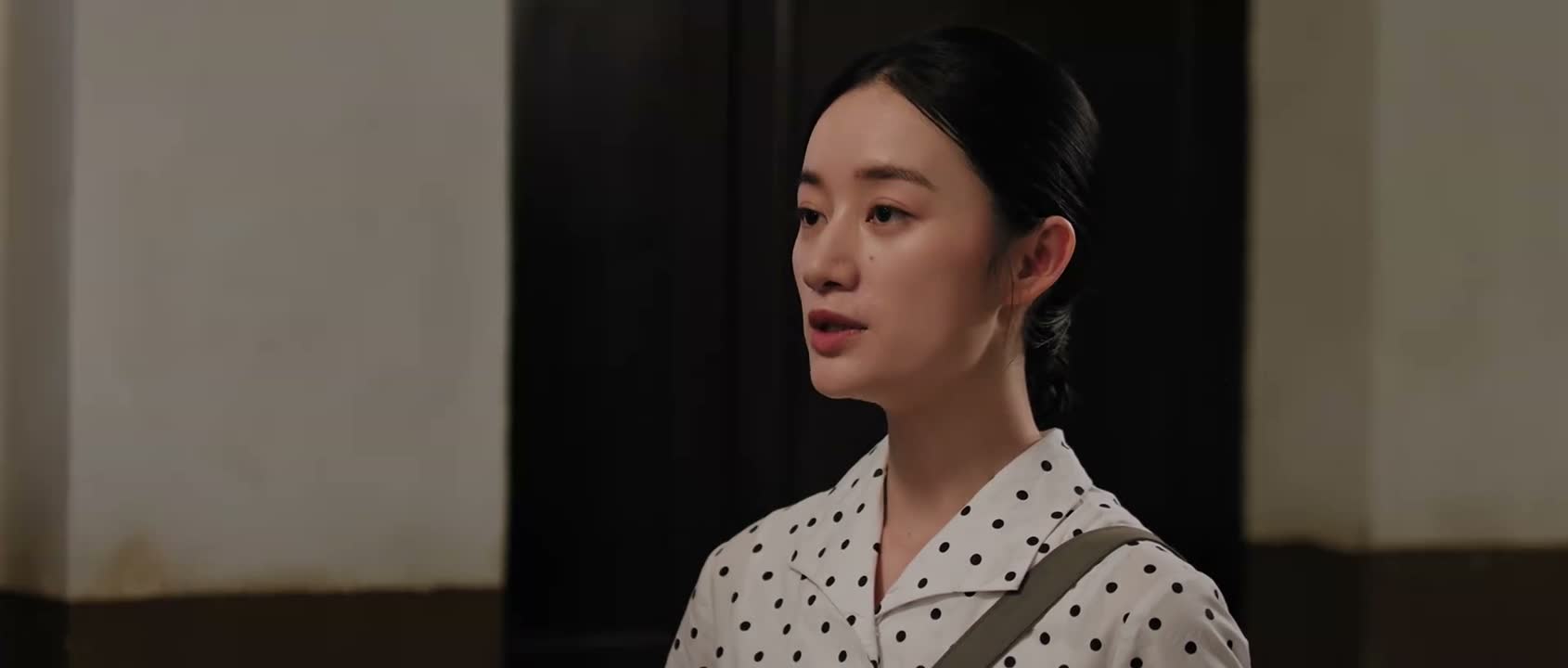
《The Heir》 S1·E34 (36:41)
HSK 3
nǐ bù yòng gēn wǒ shuō duì bú zhù
你不用跟我说对不住
“You don't need to apologize to me.”
《The Heir》
S1·E34
TIMECODE: 36:41
·
1080P MASTER AUDIO
THE DIALOGUE REEL
[-1] PREVIOUS TURN
duì bú zhù
对不住
“I'm sorry.”
nǐ bù yòng gēn wǒ shuō duì bú zhù
CURRENT FOCUS
你 不用跟我说 对不住
“You don't need to apologize to me.”
[+1] FOLLOW-UP TURN
wǒ bù guài nǐ
我不怪你
“I don't blame you.”
Subtitles synced to millisecond timecode
Browse Show Clips →
Scene:
Social & Dating
Function:
REASSURING
Tone:
GENTLE AND COMFORTING
Emotion:
COMPASSION
WHAT THEY REALLY MEAN (PRAGMATIC SUBTEXT)
Direct spoken expression in this communicative setting.
💡 Cultural Insight: Absolving Relational Debt
In close Chinese relationships, excessive apologies create psychological distance; explicitly refusing an apology affirms intimacy and eliminates moral debt.
INTENT TAGS:
#reassurance
#forgiveness
#comforting
#boundary_softening
🧩
2 CHUNKS · 0 PARTICLES
LEARNING CHUNKS & PARTICLES
不用跟我说
SPOKEN CHUNK
no need to say to me / you don't have to tell me
A common phrase used to waive apologies or unnecessary formalities between close relations.
对不住
SPOKEN CHUNK
sorry / I have let you down
A slightly traditional or northern colloquial variant of apology, carrying weight regarding relational obligation.
🏮
2 EXPR · 1 GRAMMAR
VOCABULARY & EXPRESSIONS
COLLOQUIAL EXPRESSIONS:
GRAMMAR BLUEPRINTS:
CROSS-CINEMA CORPUS BOARD · PARALLEL SCENES
EXPLORE BY SEMANTIC SIMILARITY
Parallel Spoken Cinema Scenes (语义近邻切片)
《The Heir》 S1·E34 (36:41) · Authentic Cinema Dialogue Corpus