来得真不是时候 实在对不住啊 三元
“I came at a bad time. I'm really sorry, Sanyuan.”
THE DIALOGUE REEL
那边看了 没有 走
“Checked over there. Nothing. Let's go.”
来得真不是时候 实在对不住 啊 三元
“I came at a bad time. I'm really sorry, Sanyuan.”
你别误会了 不不不 我没误会
“You got the wrong idea. No, no, no. I didn't.”
“I clearly walked in on something private or awkward, and I feel terribly clumsy for interrupting.”
Chinese social etiquette places high value on not embarrassing others; immediately acknowledging that one arrived at a bad time relieves tension and helps the other party maintain dignity.
LEARNING CHUNKS & PARTICLES
arriving at a truly bad or awkward time
A natural idiomatic expression to utter when you unintentionally interrupt an awkward conversation or encounter.
truly terribly sorry
A sincere, colloquial spoken formula for expressing deep apology beyond a routine 'duibuqi'.
Softens the direct apology and conveys heartfelt earnestness and warmth toward the listener.
VOCABULARY & EXPRESSIONS
Parallel Spoken Cinema Scenes (语义近邻切片)
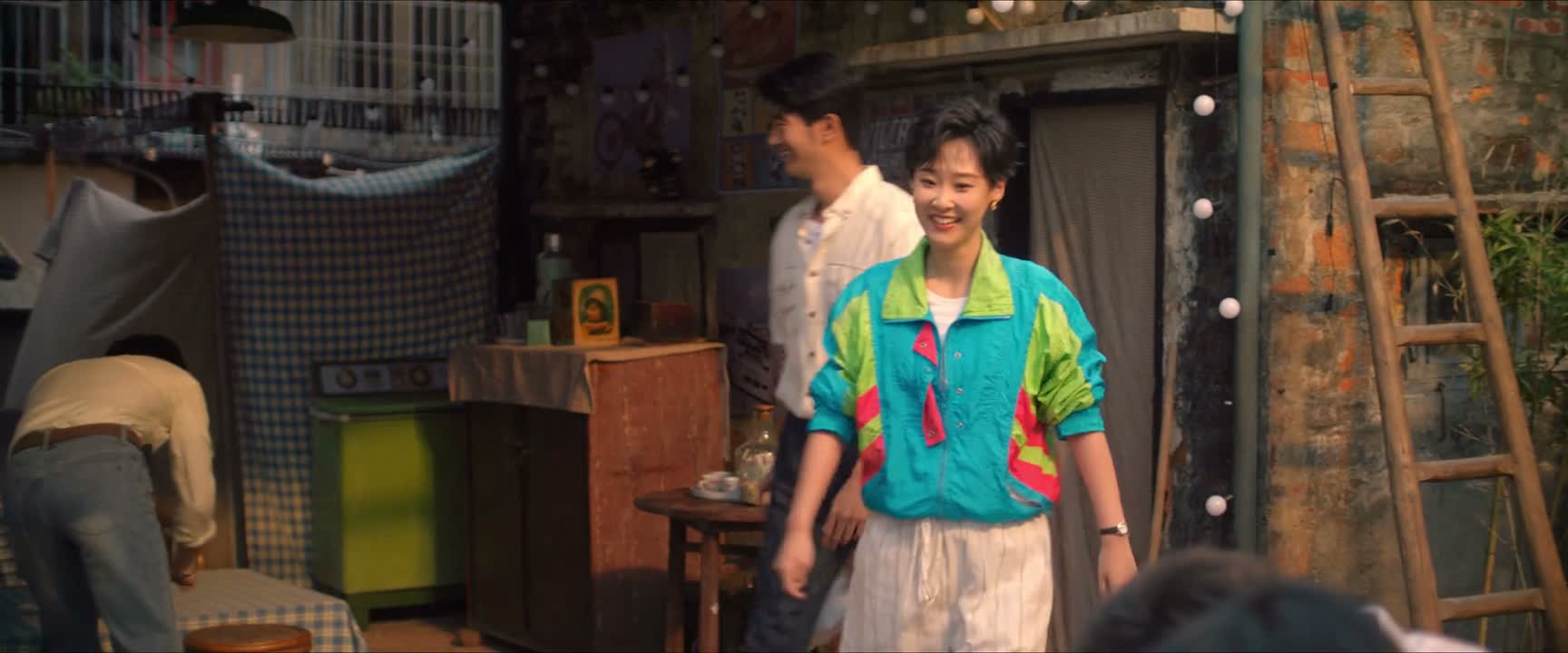
“You two... You really showed up at the wrong time.”

“we really aren't here to ask for money.”

“they really weren't called by me.”

“Seriously? For real? Yeah.”