太给你们添麻烦了 不麻烦
“Thank you very much. You're welcome.”
THE DIALOGUE REEL
他应该快忙完了
“It's about to finish.”
太 给你 们 添麻烦了 不麻烦
“Thank you very much. You're welcome.”
对了 我正好从新加坡啊 带来了好多东西
“Well, I've brought some gifts from Singapore.”
“Thank you for accommodating me, please know that I appreciate your hospitality.”
Chinese social interaction demands mutual expressions of modesty; apologizing for being an inconvenience is expected etiquette when visiting someone.
LEARNING CHUNKS & PARTICLES
to cause trouble; to inconvenience someone
A vital social lubricant in spoken Chinese used whenever you receive help, hospitality, or favors.
no trouble at all; not a hassle
The standard polite response to someone apologizing for imposing or causing inconvenience.
Functions as an intensifier marking a completed assessment of degree in '太...了'.
VOCABULARY & EXPRESSIONS
Parallel Spoken Cinema Scenes (语义近邻切片)

“Bringing her to Shanghai has caused you so much trouble. It's no trouble at all.”

“Sorry for all the trouble our family has caused you. Don't say that.”

“Thank you. No problem.”

“That would be too much trouble for others.”
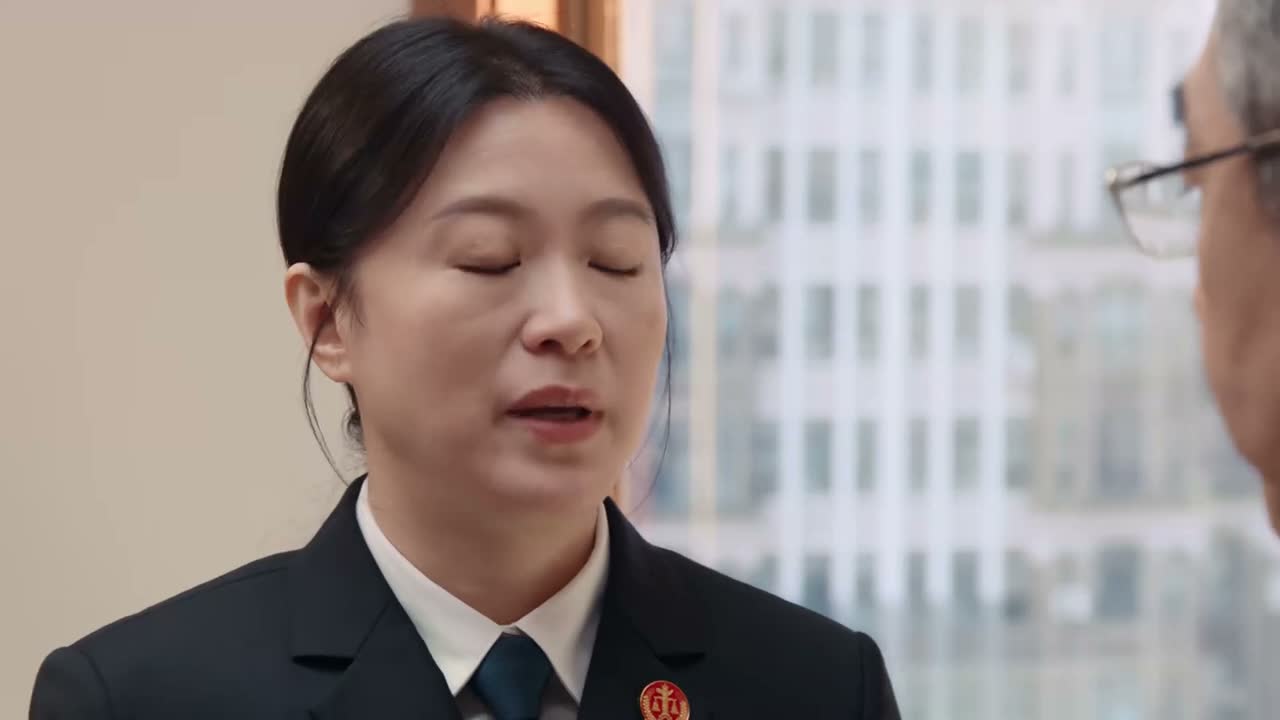
“Let's not trouble the other department.”

“not some troublemakers.”

“I didn't know it would cause you trouble.”

“I must've caused you a lot of trouble. I'm really sorry about that.”
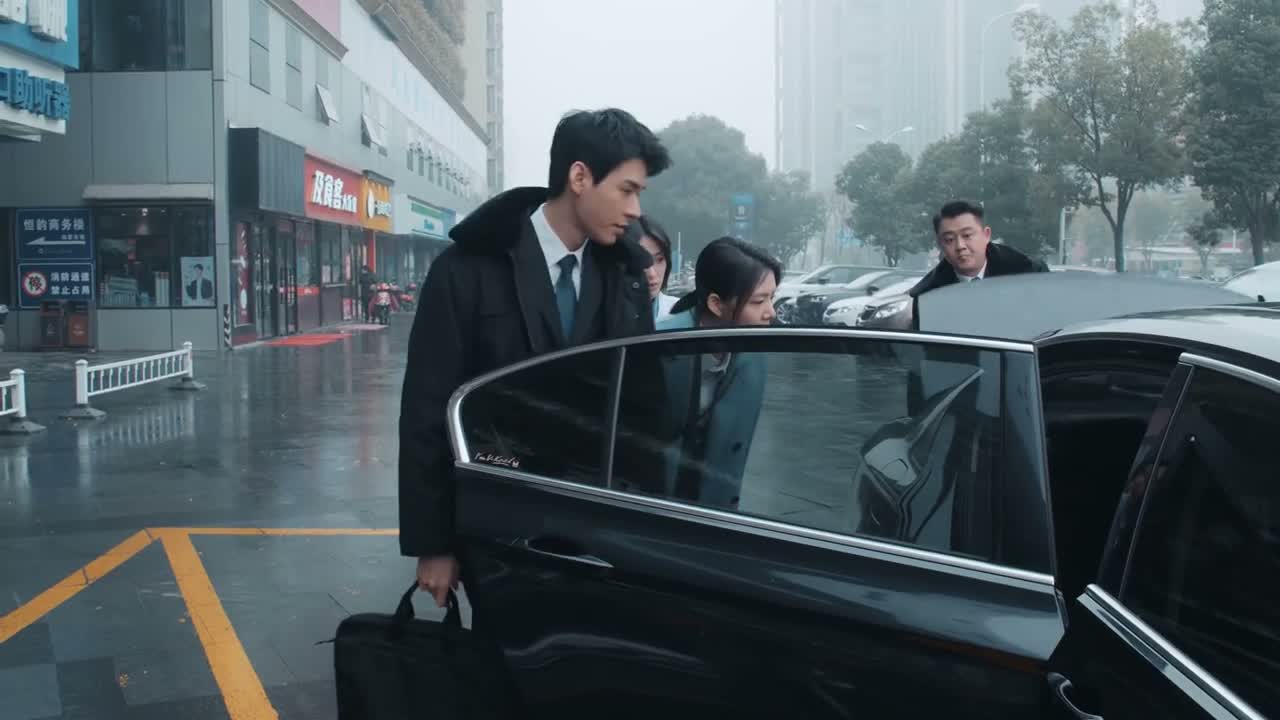
“I've caused all of you trouble again. Sorry.”

“I, Wei Rong, have caused you trouble. Not at all.”

“I don't want to cause you more trouble.”

“Didn't want to trouble you.”
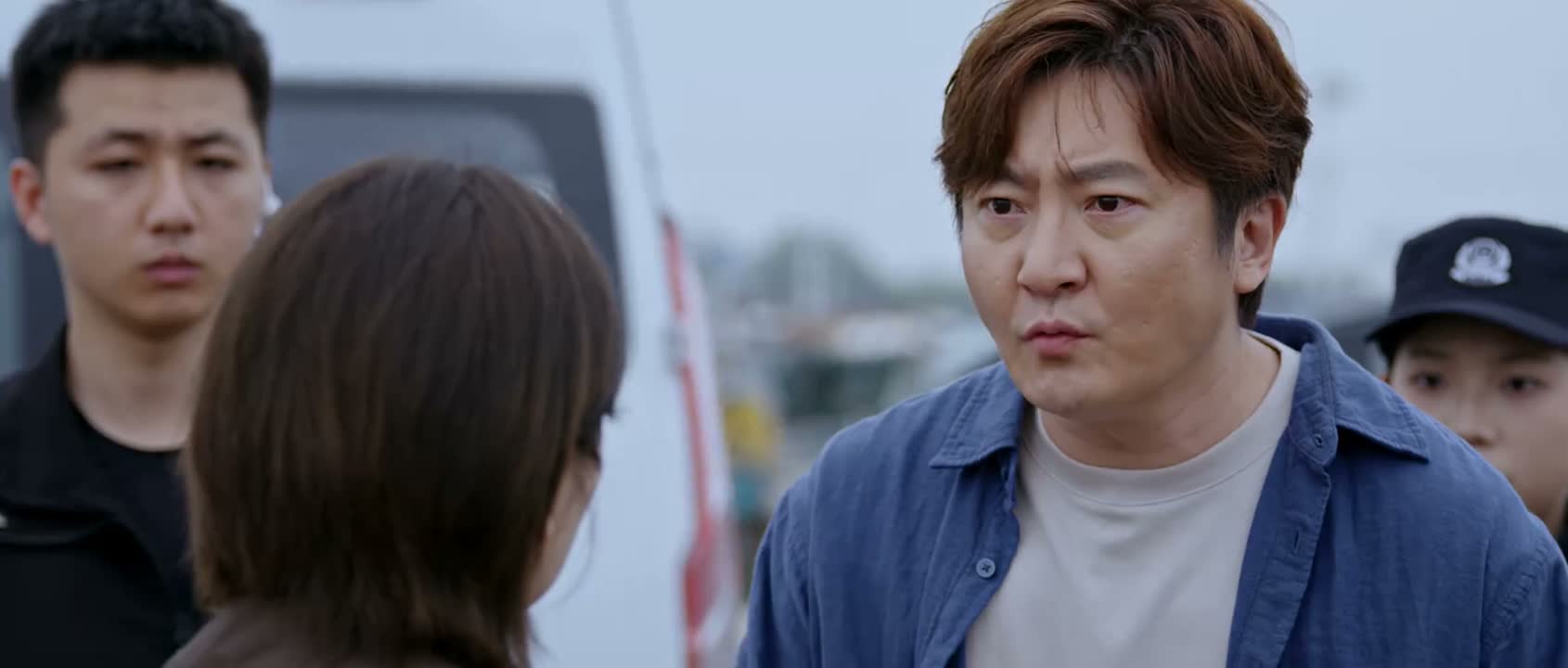
“I won't cause you any trouble.”

“Miss Zhou, I'm really sorry for causing you both so much trouble.”

“we've bothered you a lot. Thank you.”

“Sorry to have troubled you. If it were not for Mr. Ling,”

“Thank you. You're welcome.”

“It's a real headache. It's not your fault.”

“I caused you so much trouble. I'm so sorry.”

“and end up causing unnecessary trouble for all of you.”

“and has saved you much trouble. I don't mind trouble.”

“Zhu, I'm not trying to cause trouble.”

“have made things difficult for you.”