够给你添麻烦的
“have made things difficult for you.”
THE DIALOGUE REEL
我和小橙子
“Chengzi and I”
够 给你 添麻烦 的
“have made things difficult for you.”
“Can you stop talking about this?”
“I hate feeling like a heavy burden in your life.”
In close interpersonal dynamics, constantly verbalizing polite apologies can backfire; close friends or partners expect mutual dependence, and excessive apologizing creates emotional distance.
LEARNING CHUNKS & PARTICLES
to cause trouble; to burden someone
A standard spoken idiom for acknowledging that one's needs or presence are putting another person out.
really...; sufficiently...
Spoken intensifier used before adjectives or verbal phrases to emphasize a noticeable degree or burden.
Asserts a definitive mood in the predicate structure '够...的', affirming the troublesome state.
VOCABULARY & EXPRESSIONS
Parallel Spoken Cinema Scenes (语义近邻切片)

“...so soon after my arrival.”

“creating new troubles.”

“Sorry for causing you trouble this time.”


“we've troubled you again.”
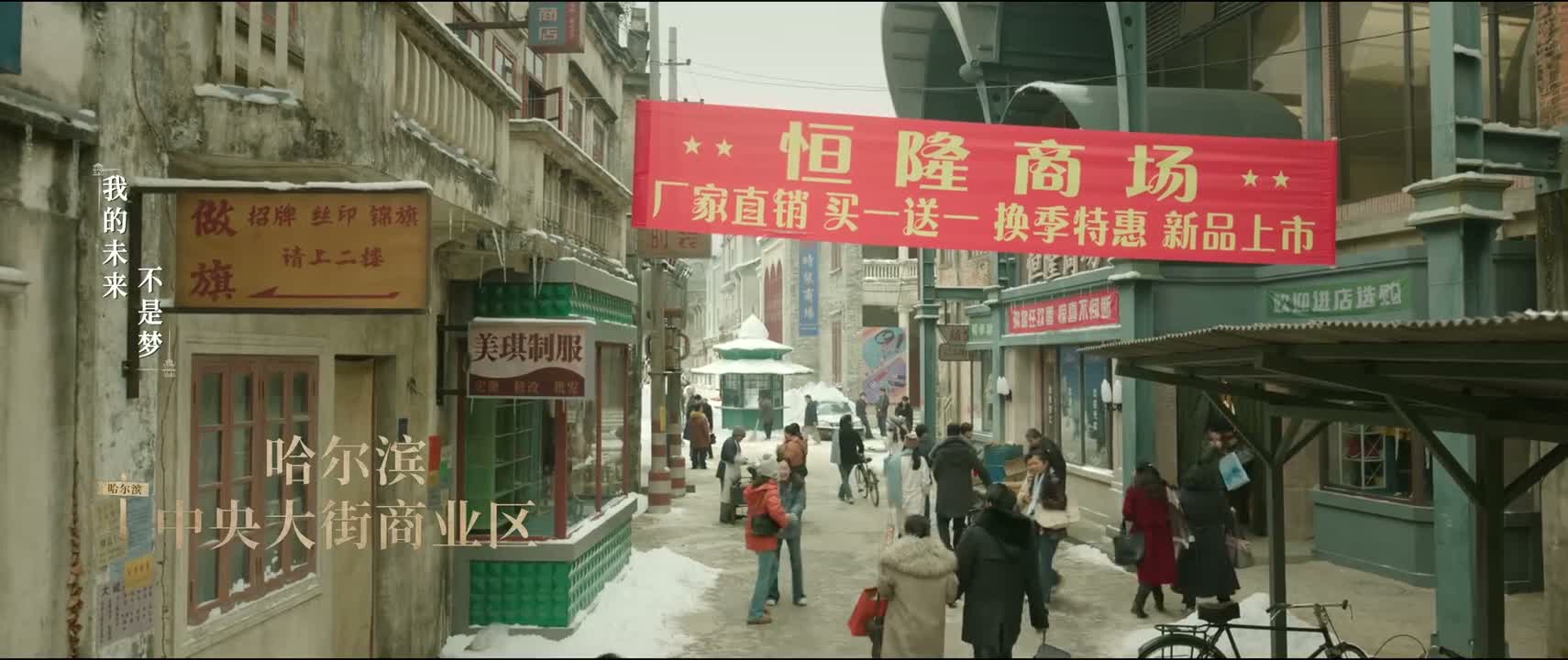
“Sorry to trouble you. Are you cold?”

“sorry for the trouble.”

“I feel like I'm always letting you all down.”

“yet I keep bringing you trouble.”

“Sorry for causing you trouble again.”

“before you start finding me troublesome.”

“Bringing her to Shanghai has caused you so much trouble. It's no trouble at all.”

“For the past two days, I've caused you trouble.”

“but I've kept troubling you.”

“I caused you trouble.”

“He's probably just afraid of causing you trouble. His studies aren't great,”

“I've really caused you guys a lot of trouble.”

“I've already caused you too much trouble.”

“who cause me trouble”

“Thank you very much. You're welcome.”

“and end up causing unnecessary trouble for all of you.”

“That would be too much trouble for others.”