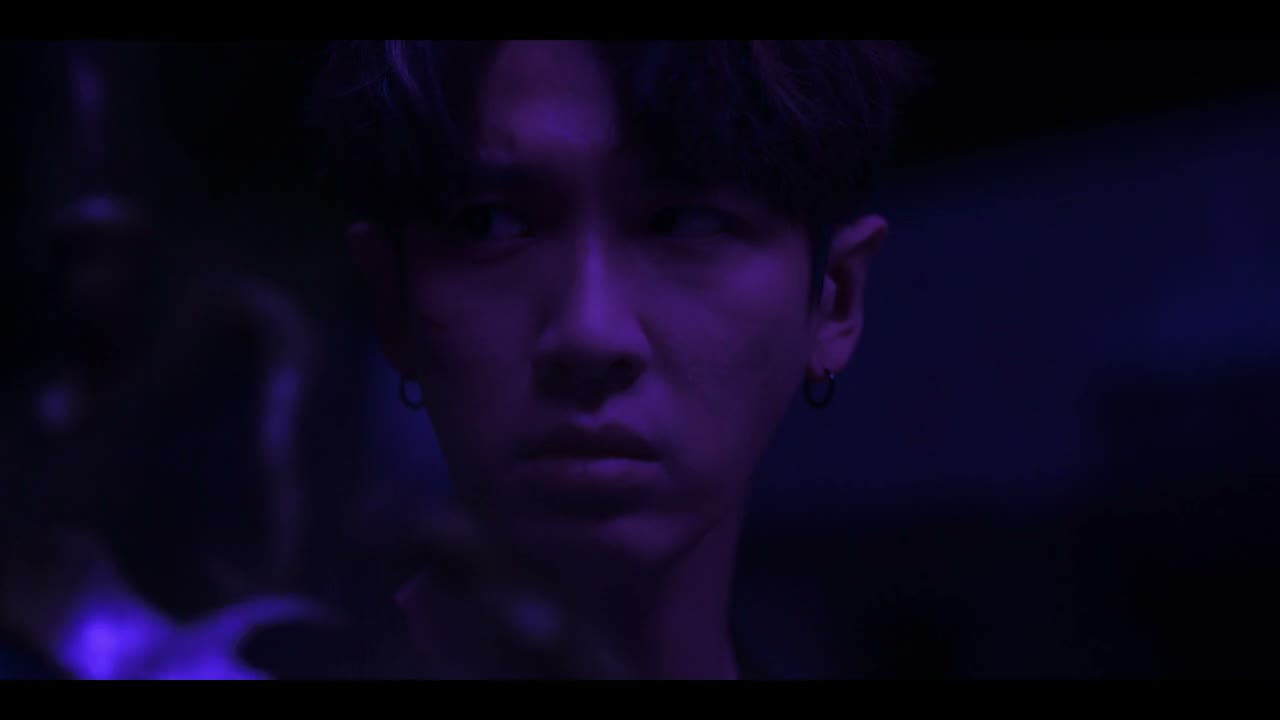
你能不能不要 再说这句话了
“Can you stop talking about this?”
THE DIALOGUE REEL
你能不能 不要 再说这句话 了
“Can you stop talking about this?”
你想让我说什么
“What do you want me to say?”
“Please stop acting like you are troubling me; we are close and you do not need to be so polite.”
In close Chinese relationships, constantly apologizing for 'causing trouble' (添麻烦) creates emotional distance, prompting loved ones to protest against such formality.
LEARNING CHUNKS & PARTICLES
could you please not; can you stop
A common spoken formula used to request or demand that someone stop doing an annoying action.
say this sentence; say this phrase
Refers back to a specific repetitive remark just made in the conversation.
Indicates a desired change of state, urging the cessation of the ongoing repetitive behavior.
VOCABULARY & EXPRESSIONS
Parallel Spoken Cinema Scenes (语义近邻切片)

“Can you stop saying that?”

“Didn't I tell you already, don't call me Xiang anymore?”

“You must refrain from saying such words again. Do you hear me?”
“never speak to me in this way again.”