给你添了多少麻烦哪 这添什么麻烦呀
“Bringing her to Shanghai has caused you so much trouble. It's no trouble at all.”
THE DIALOGUE REEL
在哪儿休养都是一样 这转移到上海来
“She'd be fine recuperating anywhere. Bringing her to Shanghai has caused you so much trouble.”
给你 添了多少 麻烦 哪 这添 什么 麻烦 呀
“Bringing her to Shanghai has caused you so much trouble. It's no trouble at all.”
这都是朋友给安排的
“A friend helped arrange everything.”
“I feel indebted for all the effort you made, but let us treat it as natural between us.”
Expressing anxiety over causing 'trouble' (添麻烦) and the immediate reciprocal denial of it is a fundamental script of Chinese etiquette demonstrating modesty and mutual consideration.
LEARNING CHUNKS & PARTICLES
to cause trouble; to inconvenience someone
An essential polite formula in Chinese social life when receiving help or hospitality.
what trouble is there; no trouble at all
A rhetorical phrase used to politely wave off someone's expression of guilt or gratitude.
Softens the exclamatory tone when expressing how much trouble was caused.
Softens the rhetorical dismissal, making the polite objection warmer and more natural.
VOCABULARY & EXPRESSIONS
Parallel Spoken Cinema Scenes (语义近邻切片)

“Thank you very much. You're welcome.”

“Apologies for the intrusion. No trouble at all.”

“have made things difficult for you.”

“Sorry for causing you trouble this time.”

“we've troubled you again.”
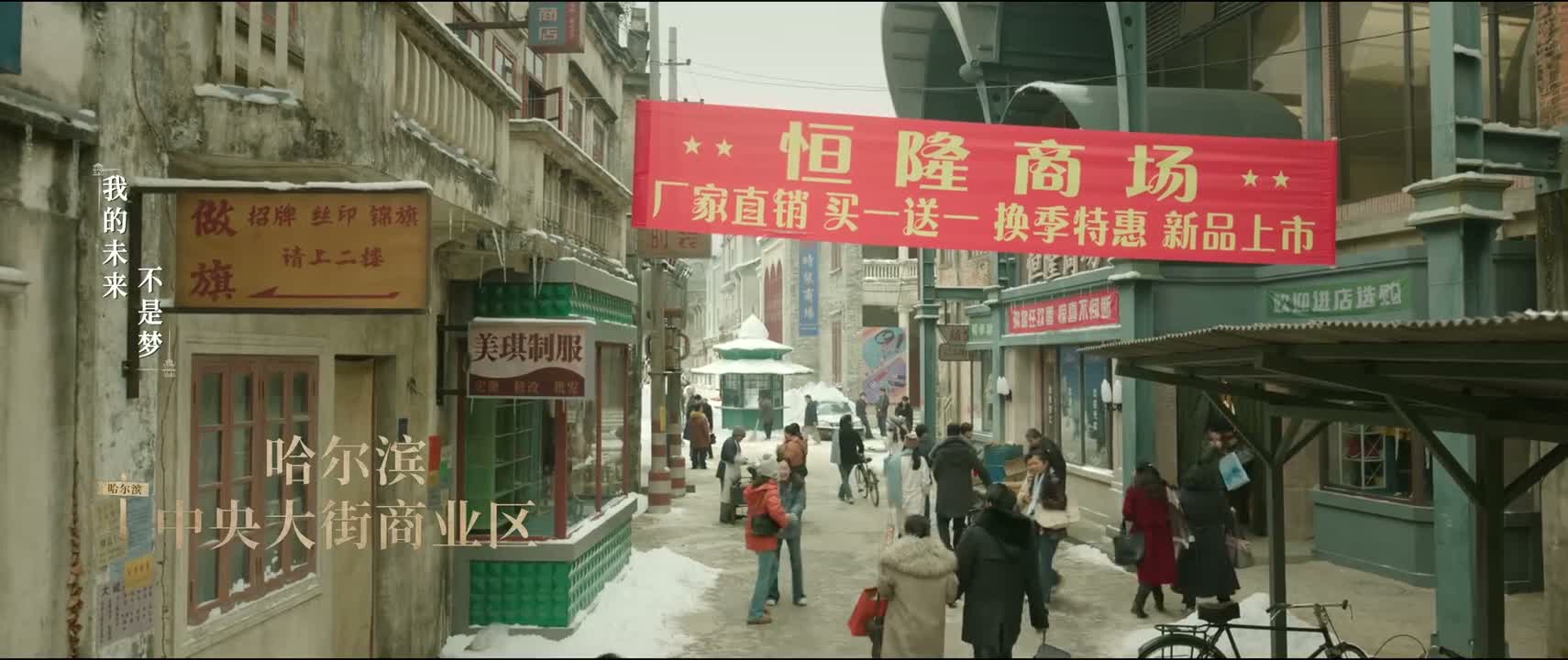
“Sorry to trouble you. Are you cold?”

“sorry for the trouble.”

“Sorry for causing you trouble again.”

“For the past two days, I've caused you trouble.”

“He's probably just afraid of causing you trouble. His studies aren't great,”

“Sorry for the trouble. Let's talk later if you're free. I'm free.”

“I've really caused you guys a lot of trouble.”

“who cause me trouble”