又给你们添麻烦了
“we've troubled you again.”
THE DIALOGUE REEL
满满考学的事情
“with Man's school application,”
又 给你 们 添麻烦了
“we've troubled you again.”
但是你放心啊妹夫
“But rest assured, Yucheng,”
“I know I am imposing on you again, but I really need your help.”
In Chinese kinship networks, asking for help with children's education is common, but ritualized apologies for 'causing trouble' are vital to maintain mutual respect.
LEARNING CHUNKS & PARTICLES
to cause trouble / to inconvenience someone
A standard and polite formula used when asking for assistance or acknowledging someone's effort on your behalf.
Marks the realization of a new situation where trouble is actively being caused to the listener.
VOCABULARY & EXPRESSIONS
Parallel Spoken Cinema Scenes (语义近邻切片)

“I've caused all of you trouble again. Sorry.”

“Sorry for all the trouble our family has caused you. Don't say that.”

“I didn't expect it to become a trouble for you.”
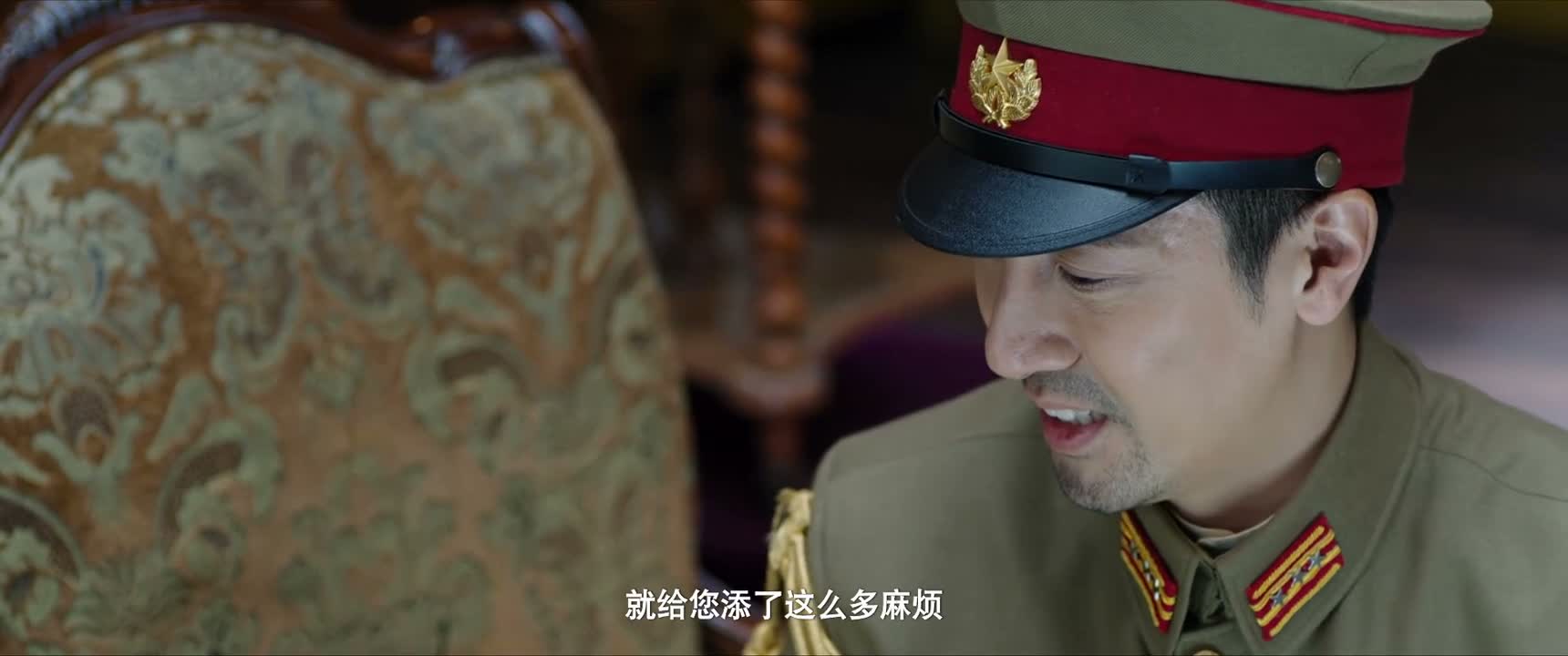
“...so soon after my arrival.”

“have made things difficult for you.”

“Sorry for causing you trouble this time.”

“You are the big trouble instead.”

“Sorry for the trouble. I'll go back and try to deal with it.”

“And of course, for everyone.”

“Anyway, it'll bother you if we stay here.”

“Don't talk nonsense. Okay.”

“Sorry to trouble you. Are you cold?”

“sorry for the trouble.”

“I feel like I'm always letting you all down.”

“yet I keep bringing you trouble.”

“Sorry for causing you trouble again.”

“Bringing her to Shanghai has caused you so much trouble. It's no trouble at all.”

“For the past two days, I've caused you trouble.”

“but I've kept troubling you.”

“Besides, in the days to come, I'll still have to bother you to take care of him, right?”

“I caused you trouble.”

“He's probably just afraid of causing you trouble. His studies aren't great,”

“Sorry for the trouble. Let's talk later if you're free. I'm free.”

“I've really caused you guys a lot of trouble.”

“we've bothered you a lot. Thank you.”

“I didn't know it would cause you trouble.”