那给两位领导添麻烦了 我这就回去想办法
“Sorry for the trouble. I'll go back and try to deal with it.”
THE DIALOGUE REEL
你村委会主任出面 好好好 那个 那那
“you need to show up. Okay. Well... Then...”
那给两位 领导 添麻烦了 我这就回去 想办法
“Sorry for the trouble. I'll go back and try to deal with it.”
这 我也没碰到过 这种情况啊 这
“I-I've never met such situation before. This...”
“Sorry for burdening you; I will take care of this mess myself.”
Subordinates frequently use deferential apology formulas like '添麻烦了' to maintain social harmony and avoid making leaders look responsible for local failures.
LEARNING CHUNKS & PARTICLES
to cause trouble or bother someone
A highly common politeness formula used when apologizing for creating inconvenience, especially to superiors.
to figure out a solution / to find a way
Used to express commitment to solving a problem independently.
Indicates a newly realized state, softening the apology for the inconvenience caused.
VOCABULARY & EXPRESSIONS
Parallel Spoken Cinema Scenes (语义近邻切片)
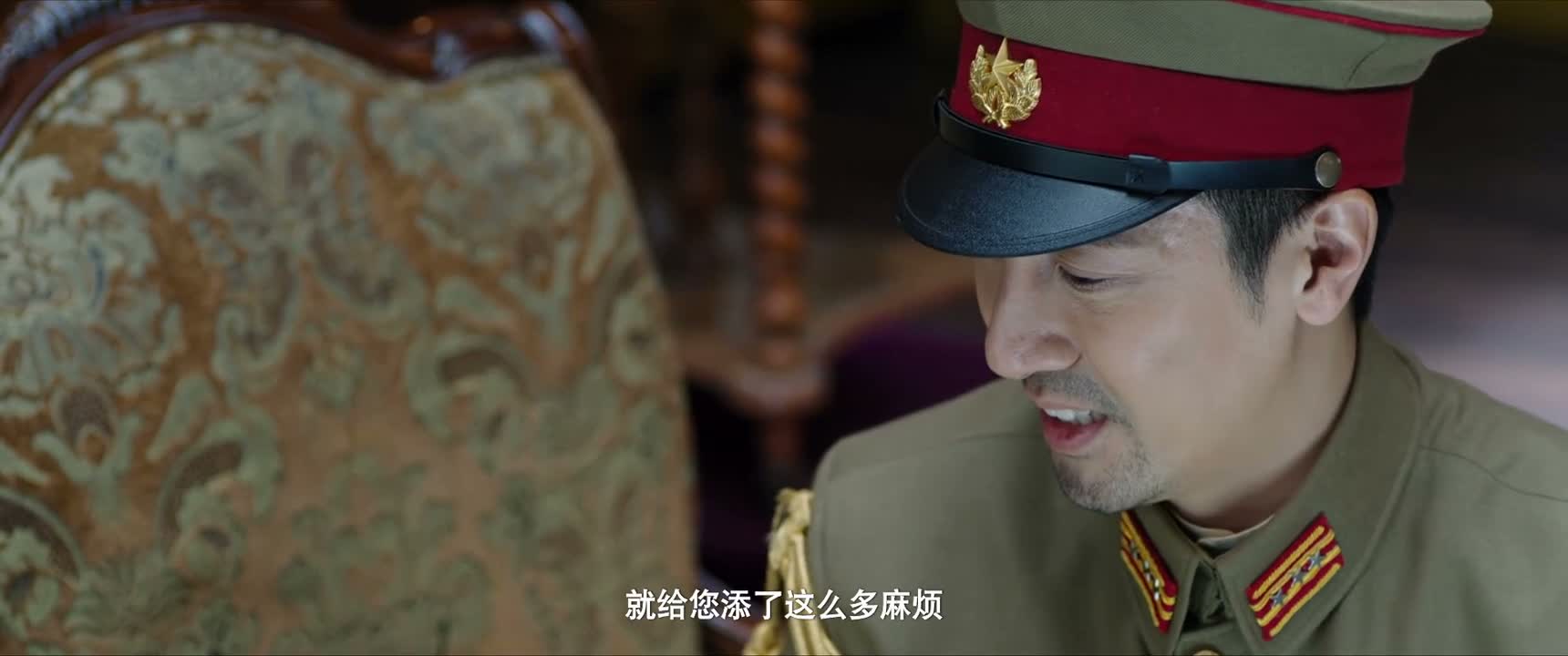
“...so soon after my arrival.”

“Please ask Mr. Lu for one last favor.”

“Sorry for causing you trouble this time.”

“we've troubled you again.”

“and then called your supervisor or even me later on”

“sorry for the trouble.”

“Sorry for causing you trouble again.”

“I caused you trouble.”

“He's probably just afraid of causing you trouble. His studies aren't great,”

“I've really caused you guys a lot of trouble.”

“I've caused trouble for everyone because of this case.”