麻烦你了 不麻烦
“Thank you. No problem.”
THE DIALOGUE REEL
麻烦你了 不麻烦
“Thank you. No problem.”
“You live across the doorway? Yes, my older brother...”
Direct spoken expression in this communicative setting.
Politeness in Chinese culture often involves downplaying one's own inconvenience ('不麻烦') to make the other person feel at ease.
LEARNING CHUNKS & PARTICLES
sorry to trouble you / thank you for your help
A polite, essential phrase used when thanking someone who went out of their way for you.
it's no trouble at all
The standard gracious response to '麻烦你了' to downplay one's own effort.
Functions as a marker indicating the completion of the burdensome deed or event.
VOCABULARY & EXPRESSIONS
Parallel Spoken Cinema Scenes (语义近邻切片)
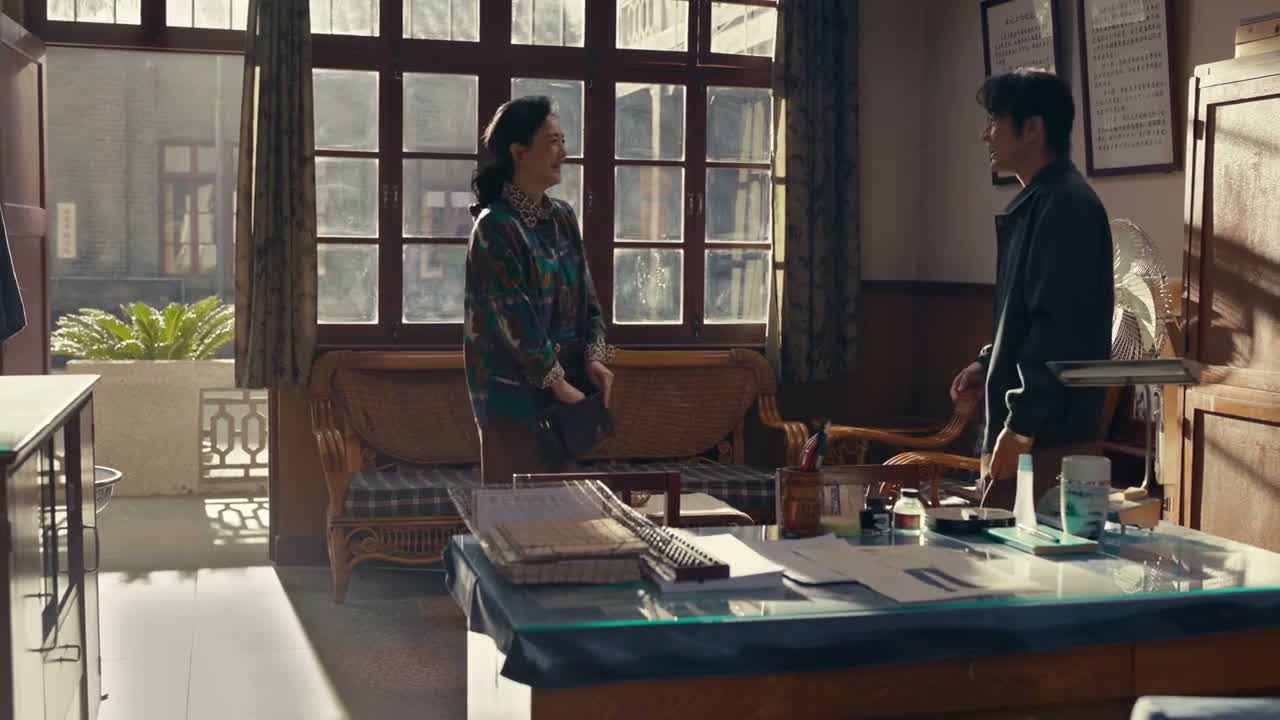
“Well done. Don't mention it.”

“Didn't want to trouble you.”

“Thank you very much. You're welcome.”
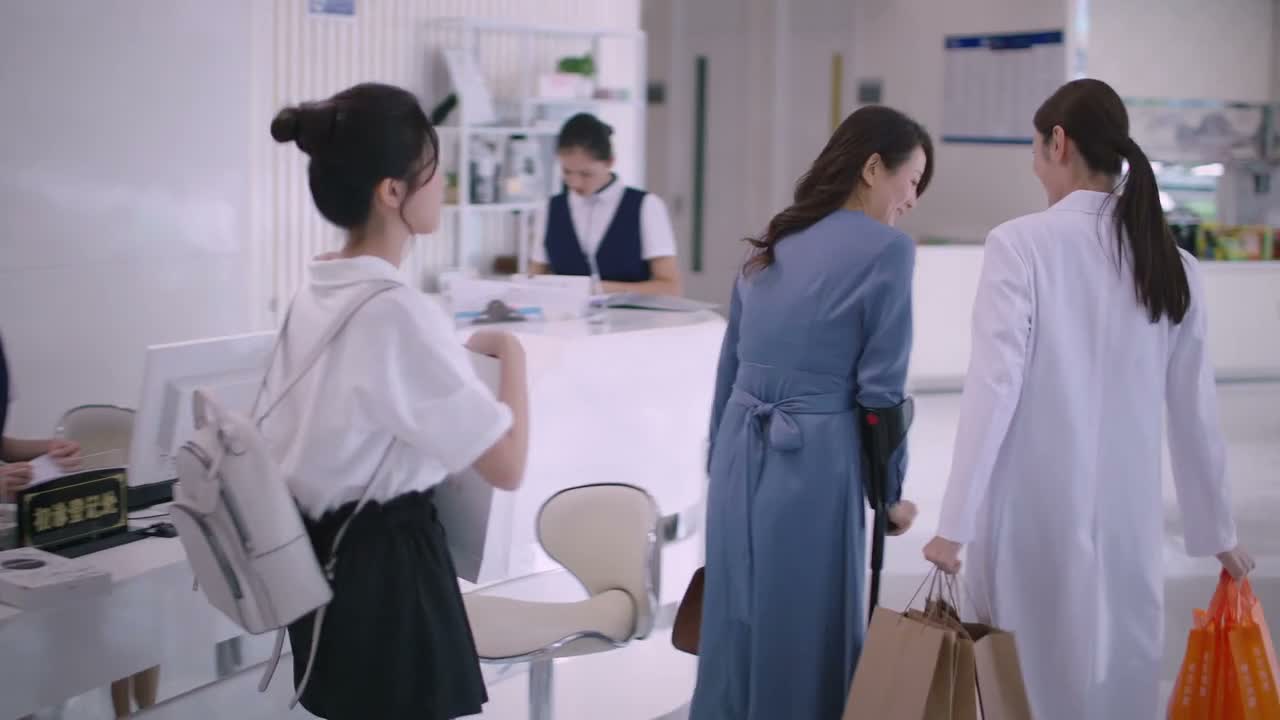
“Thank you. You're welcome.”