实在不好意思啊 给您添麻烦了
“I'm really sorry for the trouble.”
THE DIALOGUE REEL
所以这个额外的消费 没问题 没问题
“So for this extra charge... No problem.”
实在不好意思 啊 给您添麻烦了
“I'm really sorry for the trouble.”
这有什么不好意思的
“Don't be sorry.”
Direct spoken expression in this communicative setting.
In Chinese social interaction, verbally acknowledging the burden placed on others using 'tian mafan' is essential for maintaining harmonious relationships.
LEARNING CHUNKS & PARTICLES
truly very sorry / really embarrassed
A very common polite phrase used to soften requests, apologies, or expressions of indebtedness.
to cause inconvenience / to bring trouble to someone
Standard polite social formula used whenever someone goes out of their way to assist you.
Softens the apologetic statement to sound warmer and more sincere.
Marks the completed state of having caused trouble.
VOCABULARY & EXPRESSIONS
Parallel Spoken Cinema Scenes (语义近邻切片)
“Apologies, everyone. So sorry.”

“Mr. Cao, sorry to cause you trouble.”

“I must've caused you a lot of trouble. I'm really sorry about that.”

“I'm sorry for causing you trouble yesterday.”
“Sorry about that. Sorry for the trouble. Thank you.”

“[Nanping Station] Excuse me. Sorry. Excuse me. I'm in a real hurry.”

“I caused you so much trouble. I'm so sorry.”
“I'm so sorry. I apologize.”
“I'm really sorry, but please go back and tell Mr. Fan”
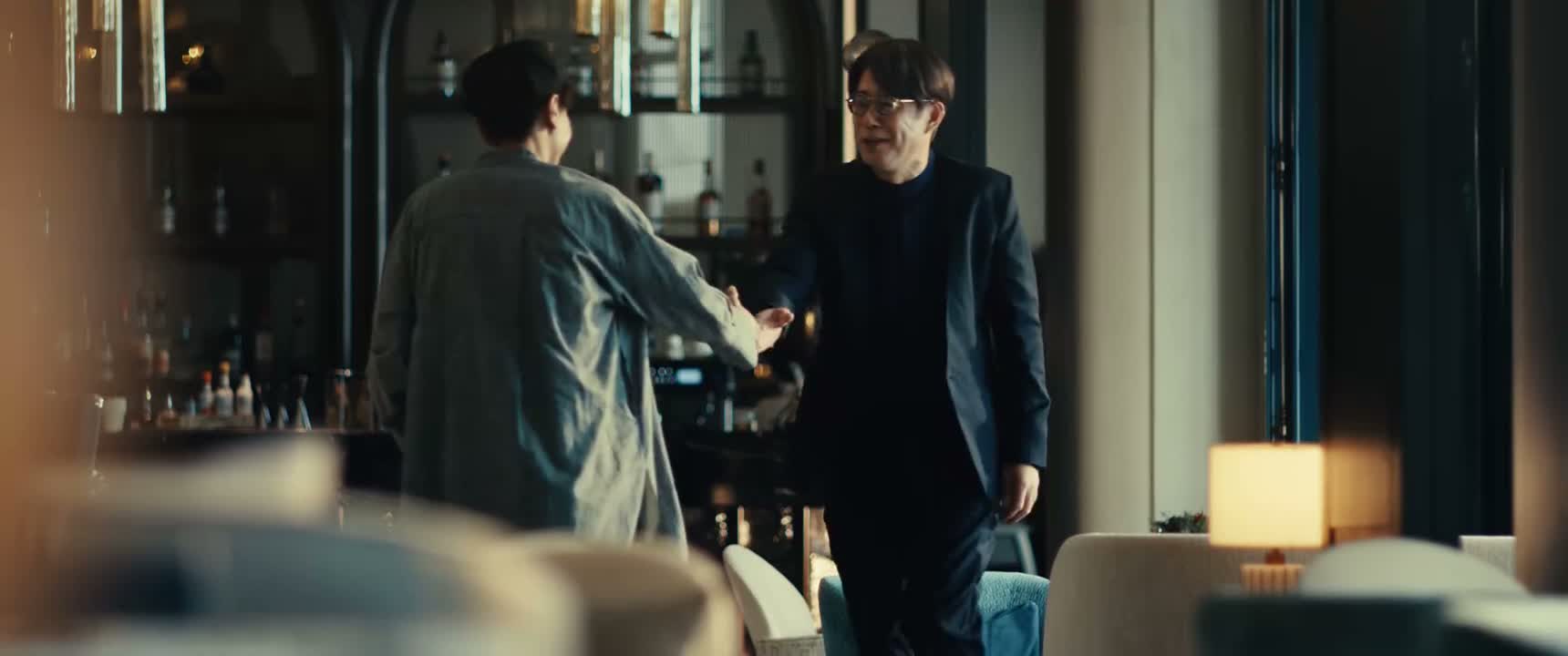
“Sorry to have you come so early. Not at all.”

“Thank you so much. Not at all. - Not at all. - Watch for thorns!”

“I feel embarrassed. It's fine. I'm happy to help.”
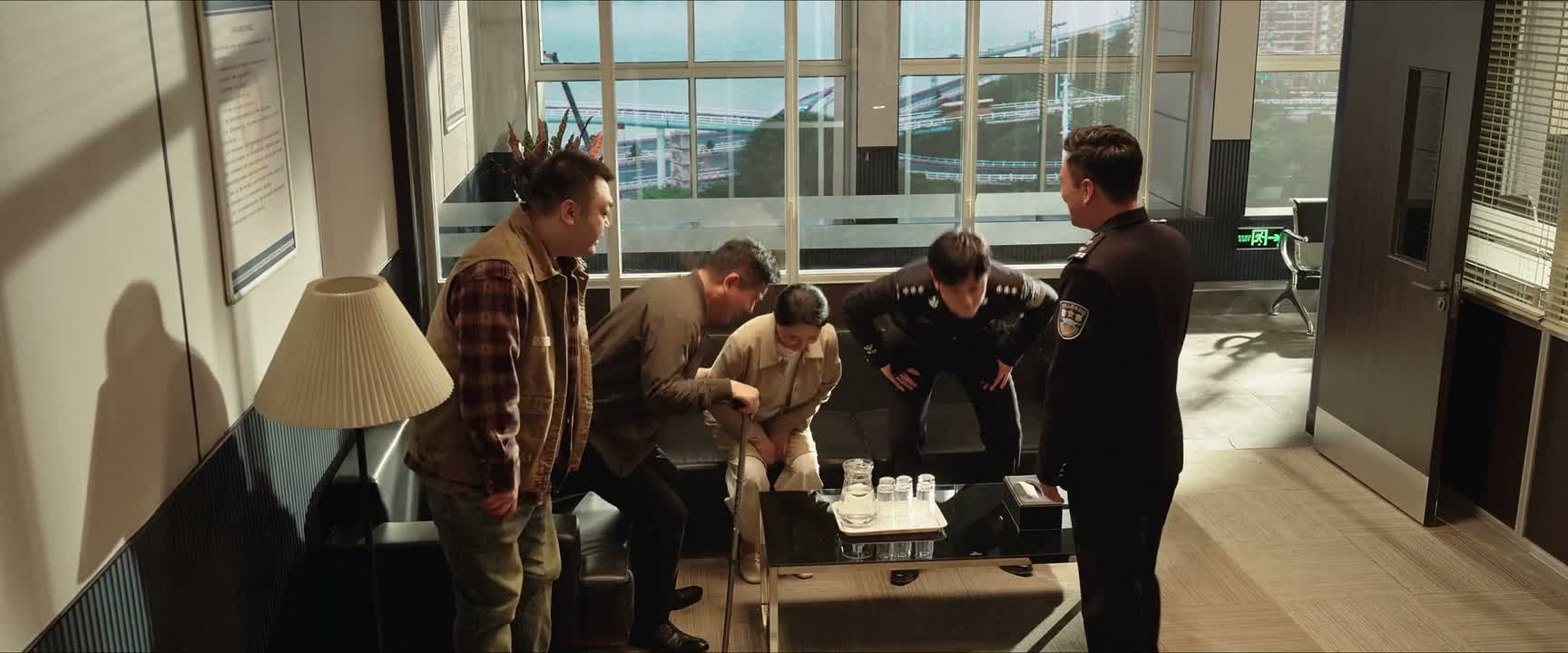
“We're truly sorry. Right now, the main culprits”

“I'm so sorry. It's fine. It's your first time visiting, and I made you fix this and that.”
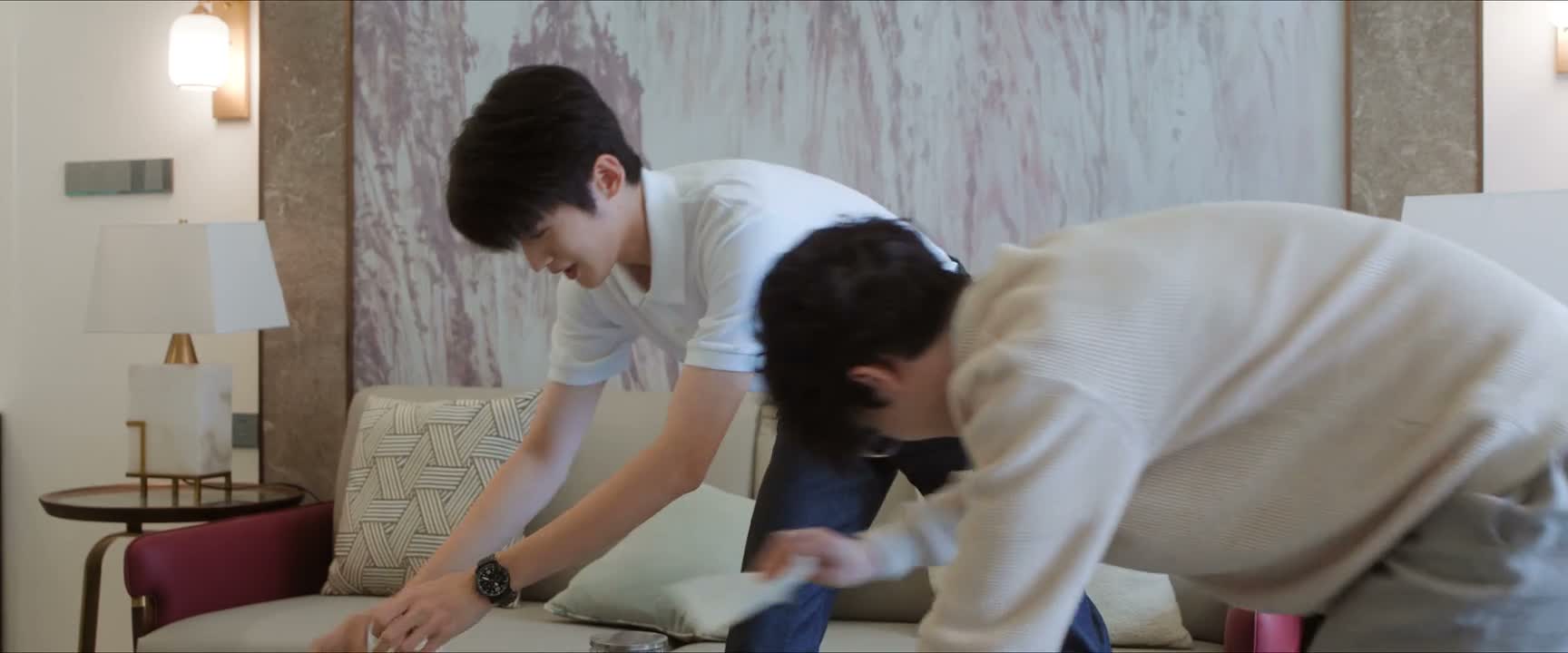
“It's okay. I'm really sorry.”

“I'm so sorry. We were having a teleconference just now.”

“My apologies for not being helpful. I understand.”

“I'm terribly sorry.”

“I'm truly sorry. Earlier, our Mr. Ma changed a few things.”

“If you're really too embarrassed,”