真不好意思 没事 没事 你这头回上家做客
“I'm so sorry. It's fine. It's your first time visiting, and I made you fix this and that.”
THE DIALOGUE REEL
“What are you staring at? You rascal, stay right there!”
真不好意思 没事 没事 你这 头回 上家 做客
“I'm so sorry. It's fine. It's your first time visiting, and I made you fix this and that.”
“It's your first time visiting, and I made you fix this and that. It's fine.”
Direct spoken expression in this communicative setting.
Chinese hospitality dictates treating first-time guests with utmost respect and comfort; burdening them with chores breaches etiquette, necessitating repeated apologetic pleasantries.
LEARNING CHUNKS & PARTICLES
really sorry / quite embarrassed
Used to express mild embarrassment or polite apologies for imposing on someone.
first time
A colloquial northern Chinese variant of 第一次 (the first time).
visit someone's home as a guest
A casual phrasing commonly used when welcoming someone into a private residence.
VOCABULARY & EXPRESSIONS
Parallel Spoken Cinema Scenes (语义近邻切片)
“I'm so sorry. I apologize.”
“Sorry to have you come so early. Not at all.”

“Mr. Cao, sorry to cause you trouble.”

“Thank you so much. Not at all. - Not at all. - Watch for thorns!”

“I feel embarrassed. It's fine. I'm happy to help.”

“I'm really sorry. Let me help you clean up. It's fine.”
“I'm really sorry for the trouble.”

“I'm sorry.”

“What's there to be shy about?”
“It's okay. I'm really sorry.”
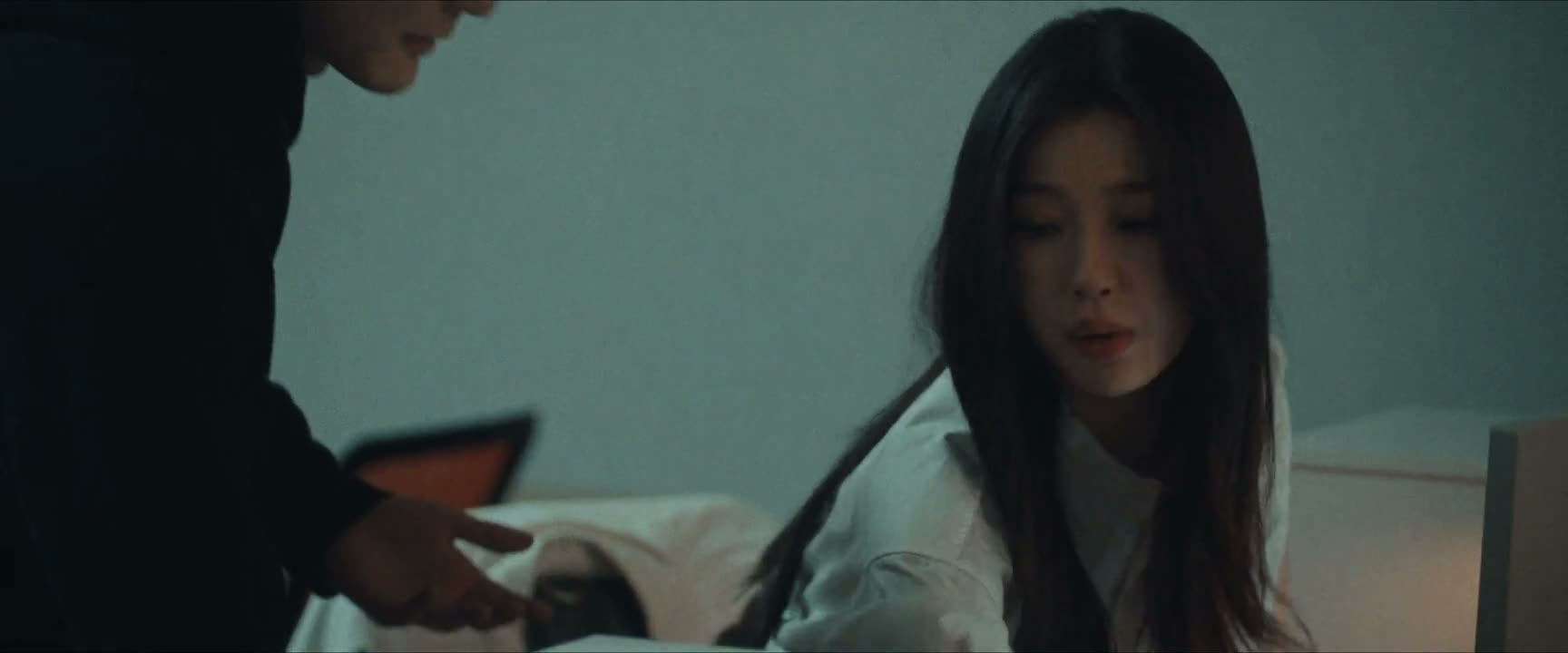
“Sorry. It's fine. No worries.”

“I'm so sorry. My apologies, Mr. Xiao. Don't worry.”

“My apologies for not being helpful. I understand.”

“I'm terribly sorry.”
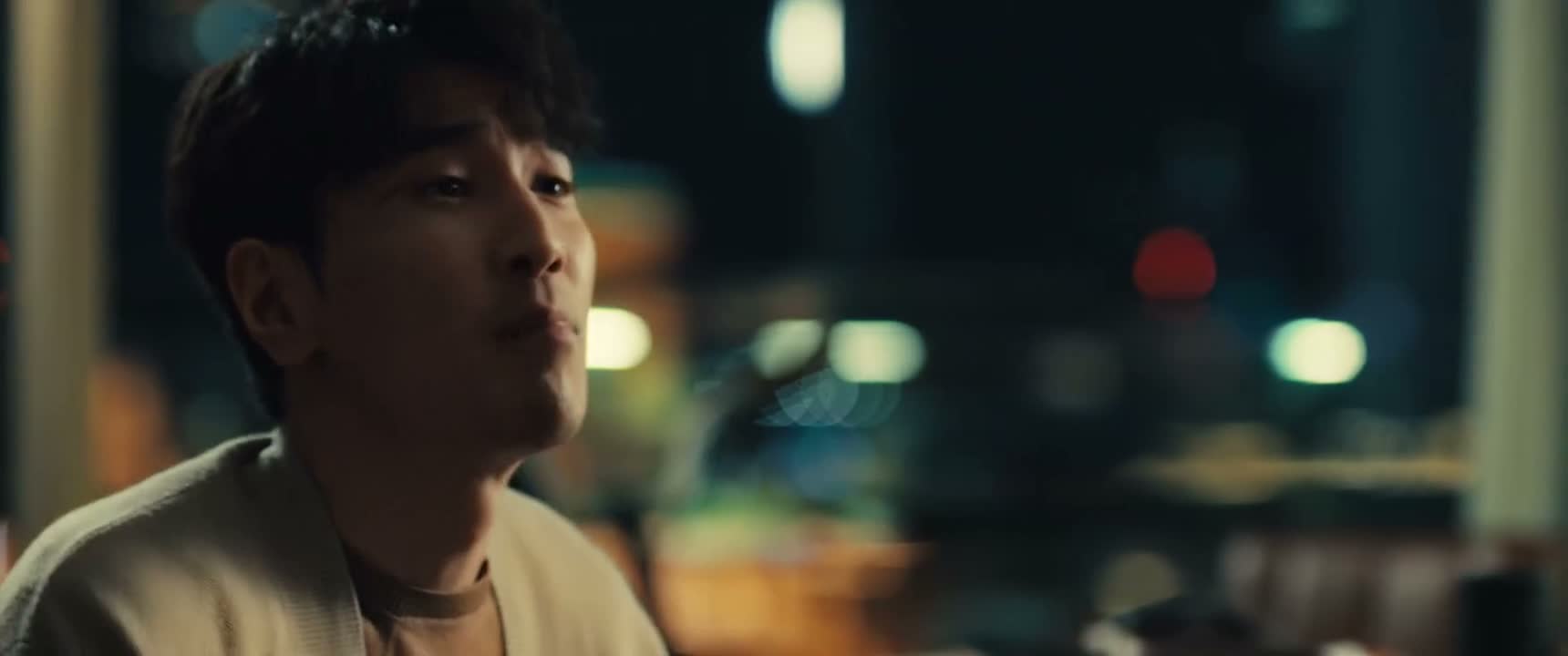
“I'm really sorry, but please go back and tell Mr. Fan”

“If you're really too embarrassed,”