真不好意思啊 曹所长 又给您添麻烦了
“Mr. Cao, sorry to cause you trouble.”
THE DIALOGUE REEL
这可小点声吧
“Keep it down.”
真不好意思 啊 曹所长 又给您 添麻烦了
“Mr. Cao, sorry to cause you trouble.”
没事 没事
“No problem.”
“Please do not be angry with me for this inconvenience; I appreciate your help and leniency.”
Addressing an official by their administrative title (Suozhang) combined with the respectful pronoun 'Nin' shows proper hierarchy and mitigates the awkwardness of causing an administrative burden.
LEARNING CHUNKS & PARTICLES
really sorry / truly embarrassed
A very common conversational formula used to soften mistakes or acknowledge minor impositions.
caused you trouble / put you to inconvenience
A highly respectful standard formula used when someone helps you or has to deal with your issues.
Softens the bluntness of the apology and makes the tone warmer and more pleading.
Marks the completion of an action that has already resulted in inconvenience for the listener.
VOCABULARY & EXPRESSIONS
Parallel Spoken Cinema Scenes (语义近邻切片)

“I must've caused you a lot of trouble. I'm really sorry about that.”

“I'm really sorry for the trouble.”

“Sorry to have you come so early. Not at all.”

“I'm really sorry, Judge Shen. I checked again.”

“I'm really sorry. Let me help you clean up. It's fine.”

“this is awkward. Alright.”

“I'm sorry.”

“I really don't know, sorry. Sorry.”

“I'm so sorry. It's fine. It's your first time visiting, and I made you fix this and that.”

“What's there to be shy about?”
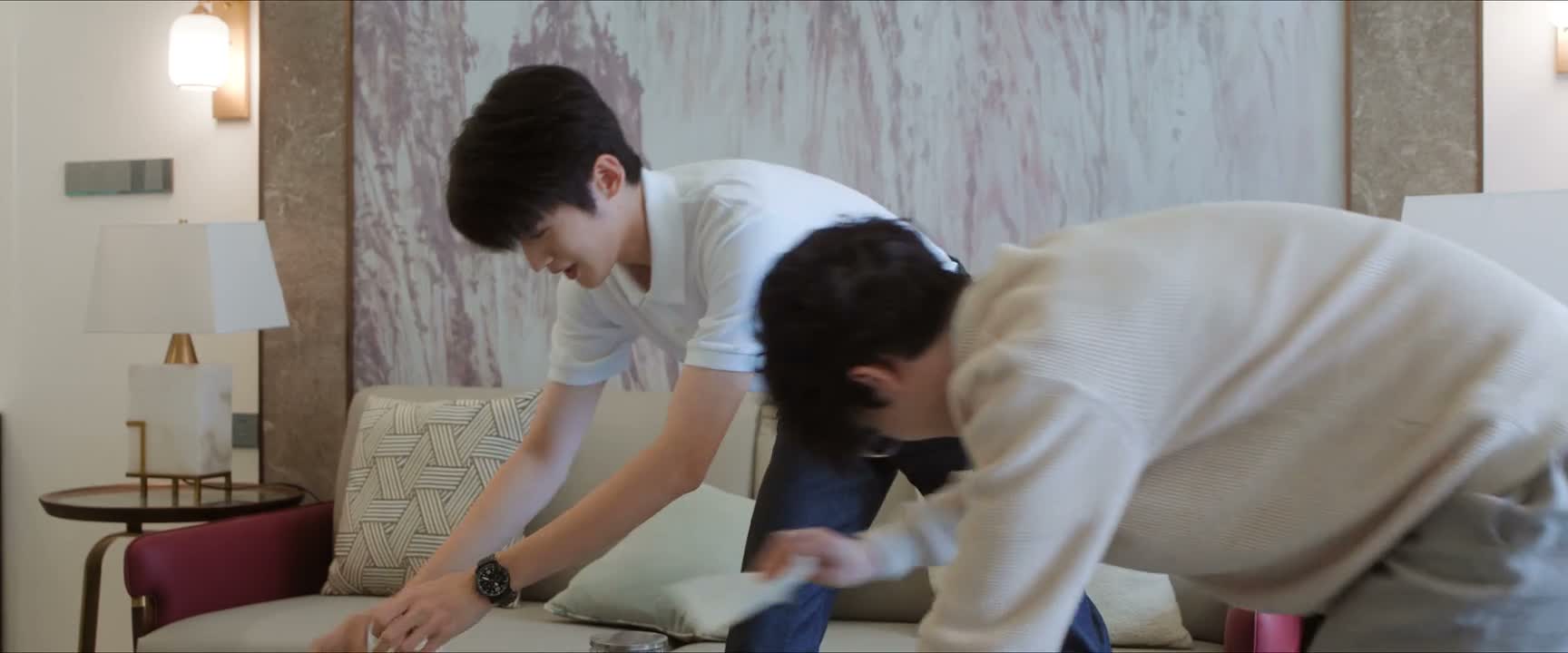
“It's okay. I'm really sorry.”

“I'm so sorry. My apologies, Mr. Xiao. Don't worry.”

“My apologies for not being helpful. I understand.”

“I feel bad”

“I'm truly sorry. Earlier, our Mr. Ma changed a few things.”