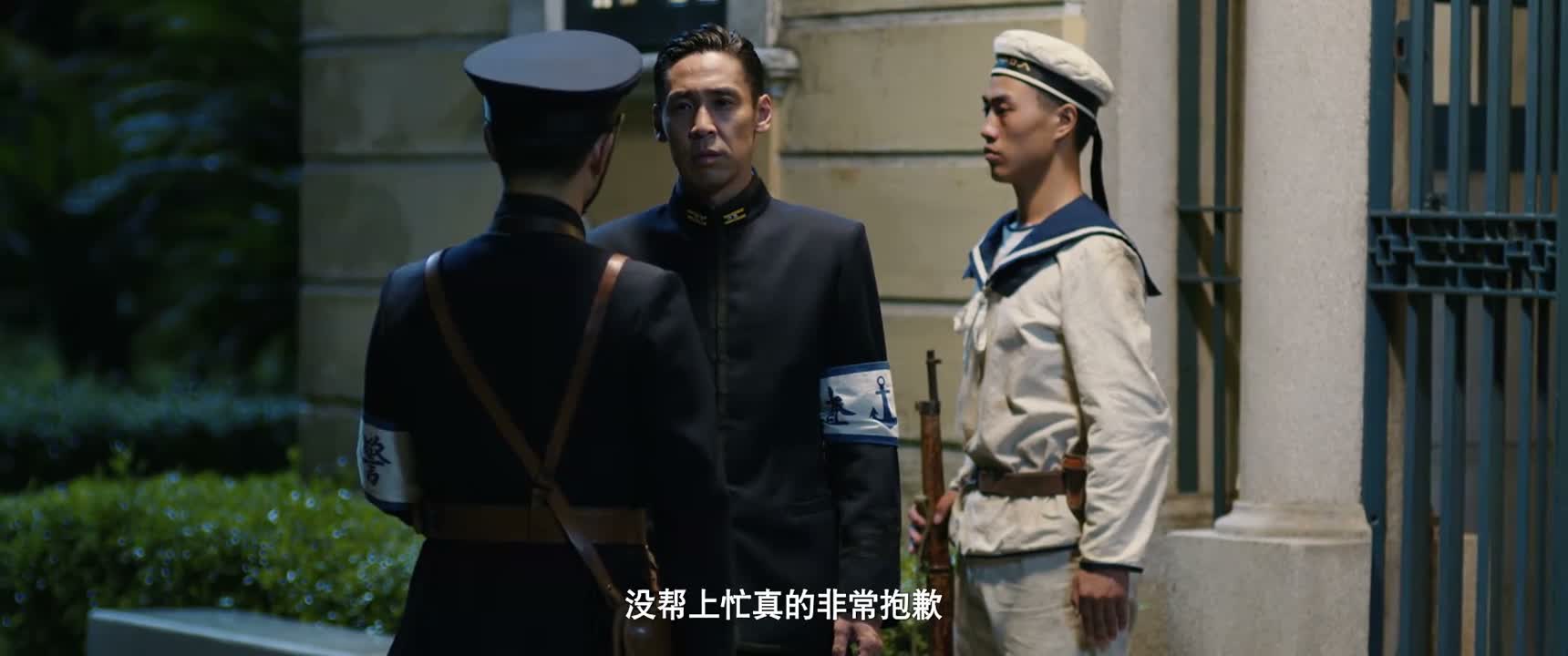
真不好意思啊 没帮上忙 能理解
“My apologies for not being helpful. I understand.”
THE DIALOGUE REEL
来
“This way.”
真不好意思 啊 没帮上忙 能理解
“My apologies for not being helpful. I understand.”
我们护院被收购了 最近正在装修
“This sanatorium has been bought out. It's under renovation these days,”
Direct spoken expression in this communicative setting.
In Chinese culture, when unable to fulfill a request for help, offering a sincere apology alongside verbal empathy helps preserve harmonious interpersonal relations.
LEARNING CHUNKS & PARTICLES
really sorry / truly apologetic
A very common everyday spoken phrase used to express mild regret or soft apologies.
unable to be of help / didn't manage to help
A polite formula used when one could not successfully assist someone.
understandable / can understand
Used to validate the listener's perspective or situation sympathetically.
Softens the preceding apology, making the expression warmer and less formal.
VOCABULARY & EXPRESSIONS
Parallel Spoken Cinema Scenes (语义近邻切片)
“he is very sorry he couldn't help.”

“I'm so sorry. I apologize.”

“Sorry to have you come so early. Not at all.”

“Mr. Cao, sorry to cause you trouble.”

“You... -I'm sorry. -It's OK.”

“Thank you so much. Not at all. - Not at all. - Watch for thorns!”

“I feel embarrassed. It's fine. I'm happy to help.”

“I'm really sorry. Let me help you clean up. It's fine.”

“No need to be shy. I support you. Go get him!”

“I'm really sorry for the trouble.”

“I'm sorry.”

“I really don't know, sorry. Sorry.”

“I'm so sorry. It's fine. It's your first time visiting, and I made you fix this and that.”

“What's there to be shy about?”
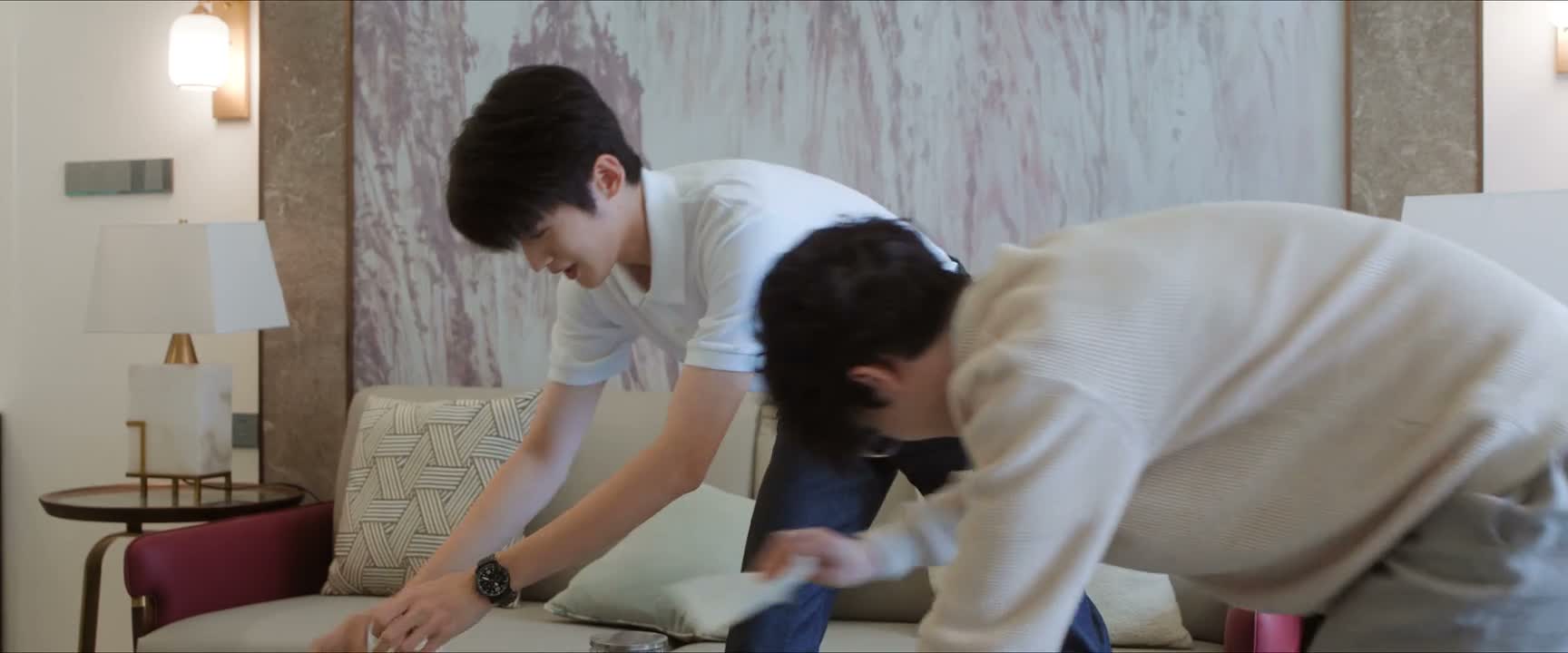
“It's okay. I'm really sorry.”

“I'm so sorry. My apologies, Mr. Xiao. Don't worry.”

“I'm really sorry about this. Director Guo.”

“I'm terribly sorry.”

“If you're really too embarrassed,”

“Don't come to me again. I really can't help.”

“I really can't help you.”