今天怪不好意思的
“I'm sorry.”
THE DIALOGUE REEL
“Ma'am, thank you. I'm too full to have anything else.”
今天 怪不好意思的
“I'm sorry.”
凌霄也是 两句话
“Ling Xiao left just because”
“You have gone out of your way for me, and I do not want to be a burden.”
Chinese social norms encourage guests to express mild self-conscious embarrassment when receiving intense hospitality, reassuring the host that their efforts are noticed and deeply appreciated.
LEARNING CHUNKS & PARTICLES
really quite embarrassed or apologetic
A common spoken formula used to soften receiving excessive hospitality, favors, or gifts.
Functions here in the '怪...的' construction to assert an emotional state with a gentle, conversational tone.
VOCABULARY & EXPRESSIONS
Parallel Spoken Cinema Scenes (语义近邻切片)

“Sorry to have you come so early. Not at all.”

“I almost feel bad for being upset.”

“Now you're making me blush.”

“Mr. Cao, sorry to cause you trouble.”

“I was really sorry about what happened last time.”

“Thank you so much. Not at all. - Not at all. - Watch for thorns!”

“I'm really sorry. Let me help you clean up. It's fine.”

“You're making me embarrassed. Why be embarrassed?”

“That's too much.”

“this is awkward. Alright.”

“I'm so sorry. It's fine. It's your first time visiting, and I made you fix this and that.”

“What's there to be shy about?”
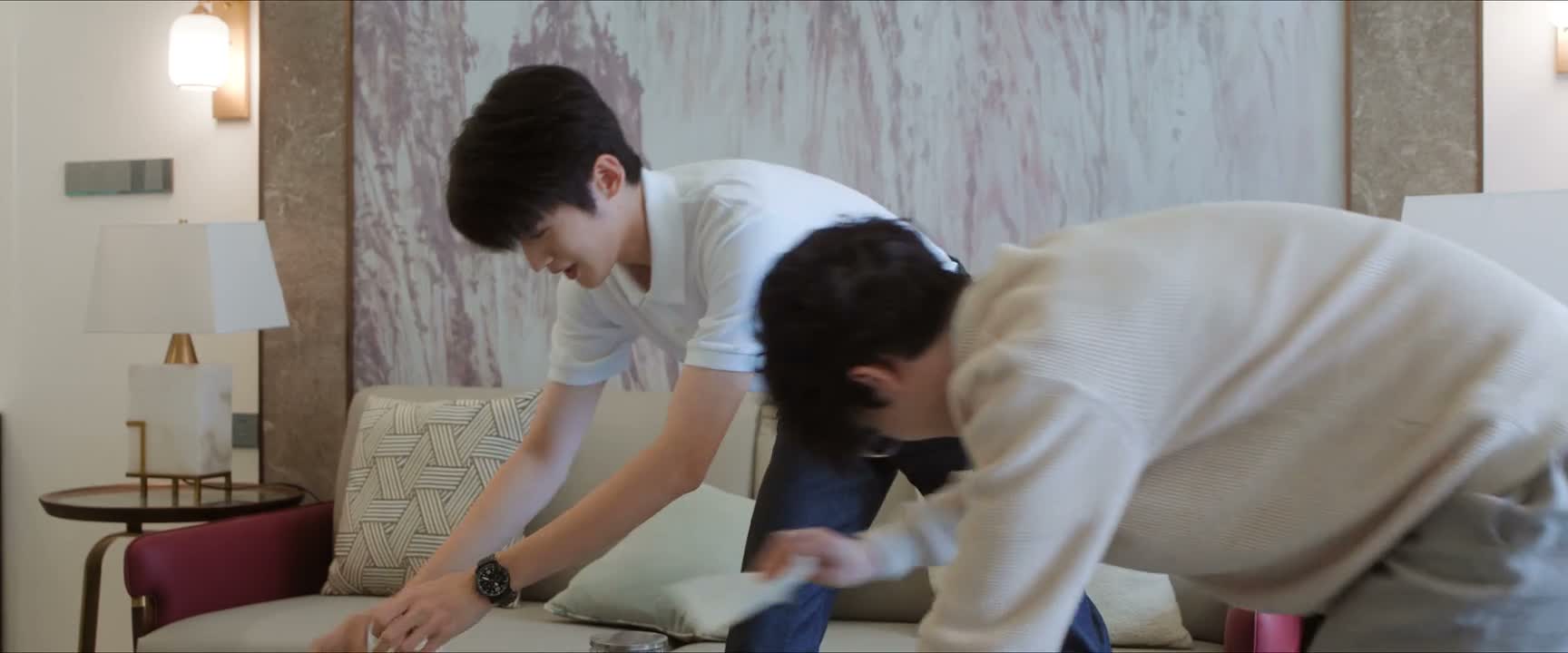
“It's okay. I'm really sorry.”

“I'm so sorry. My apologies, Mr. Xiao. Don't worry.”

“My apologies for not being helpful. I understand.”
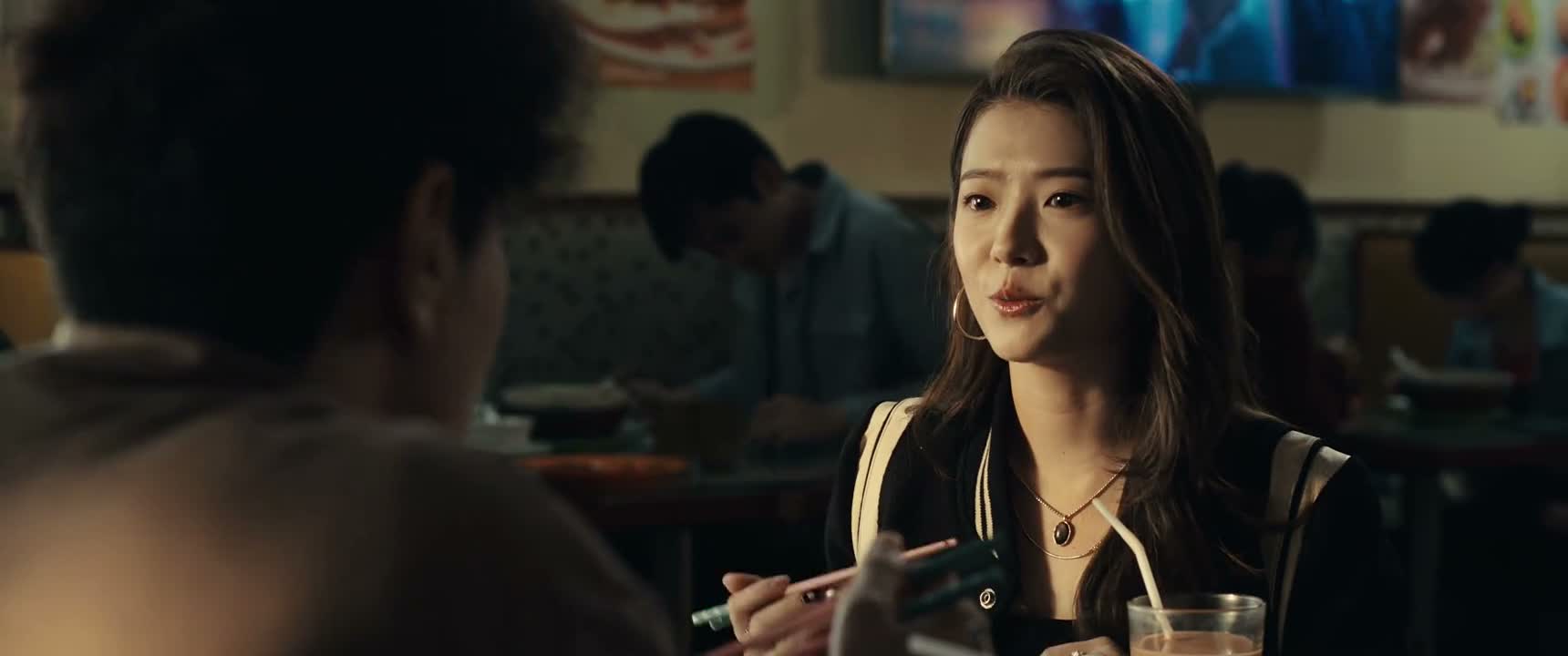
“I almost felt awkward asking. There's nothing awkward about it.”

“Then they will request more.”

“I feel bad”

“I'm sorry about last time.”

“You're being shy?”

“If you're really too embarrassed,”