我都不好意思问你 这有什么不好意思的
“I almost felt awkward asking. There's nothing awkward about it.”
THE DIALOGUE REEL
谢谢何韩老师
“Thank you, Mr. He Han.”
我 都不好 意思 问你 这有什么 不好 意思 的
“I almost felt awkward asking. There's nothing awkward about it.”
两个人一起挑速度快一点
“It'll be faster if the two of us choose together.”
“Don't be so distant with me, we are close enough to be straightforward.”
Chinese social interaction frequently involves one party expressing polite reservation while the other deliberately breaks it down to build closer rapport.
LEARNING CHUNKS & PARTICLES
embarrassed; shy; reluctant to impose
Essential conversational chunk expressing social hesitation, shyness, or polite apology.
there is nothing ... to worry about; what is there to ...
Rhetorical construction used to downplay awkwardness or dismiss someone's concerns as unnecessary.
Used at the end of the rhetorical question '这有什么不好意思的' to complete the descriptive nominal clause.
VOCABULARY & EXPRESSIONS
Parallel Spoken Cinema Scenes (语义近邻切片)

“What's wrong with that? In my opinion,”
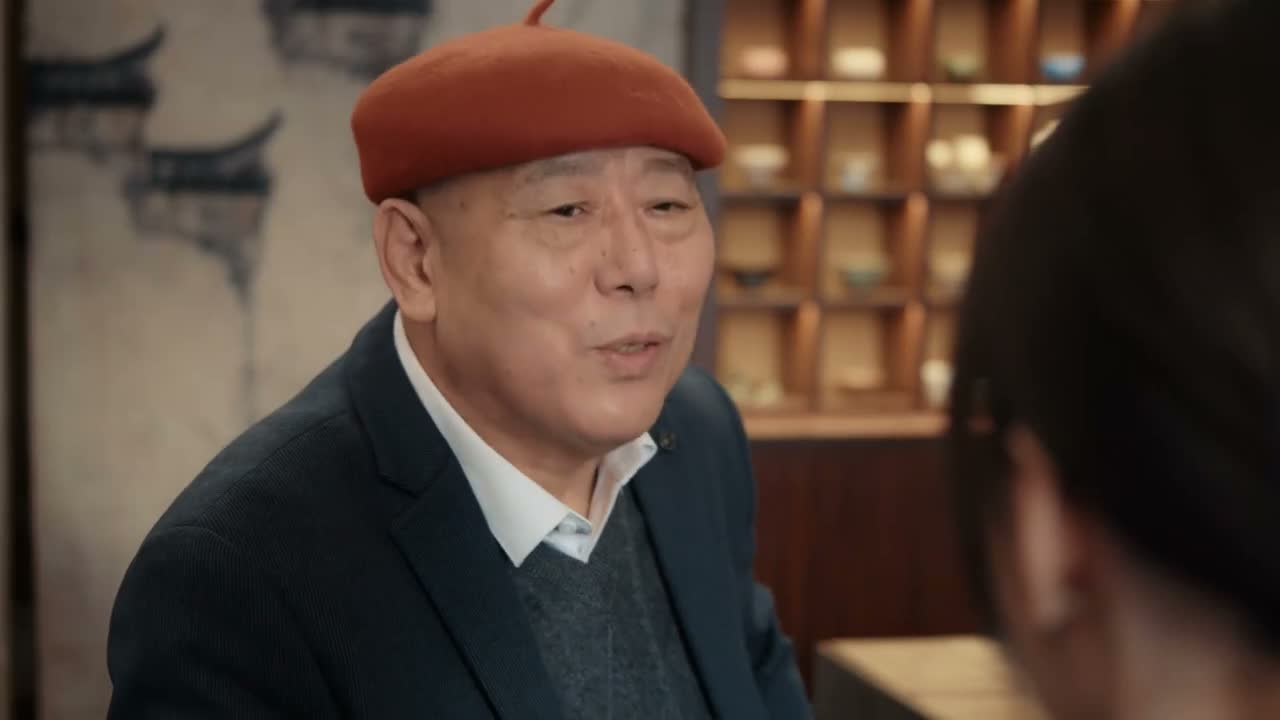
“Is this a difficult thing to tell me?”

“I'm too embarrassed to ask. How can I ask that?”

“Now you're making me blush.”

“We can't accept this. No, no. Let me express my gratitude.”

“Thank you so much. Not at all. - Not at all. - Watch for thorns!”
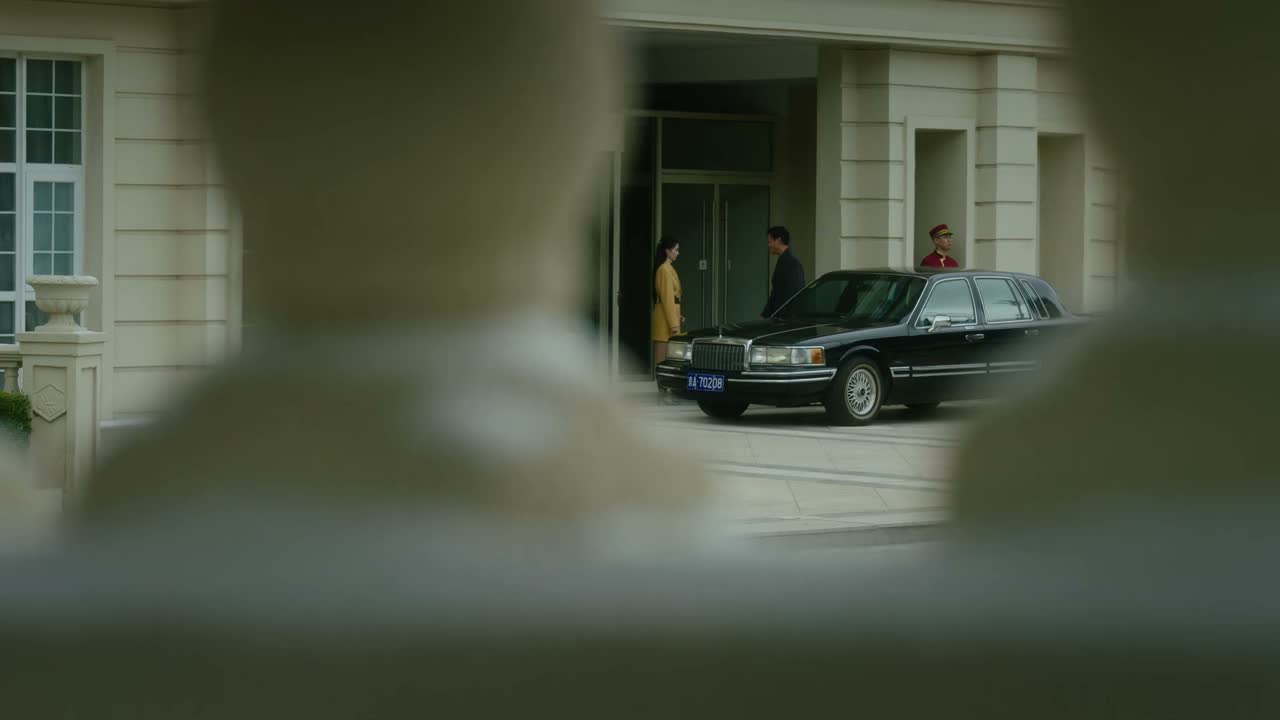
“I was too embarrassed to even bring it up to you.”

“You earned it. Nothing to feel bad about.”
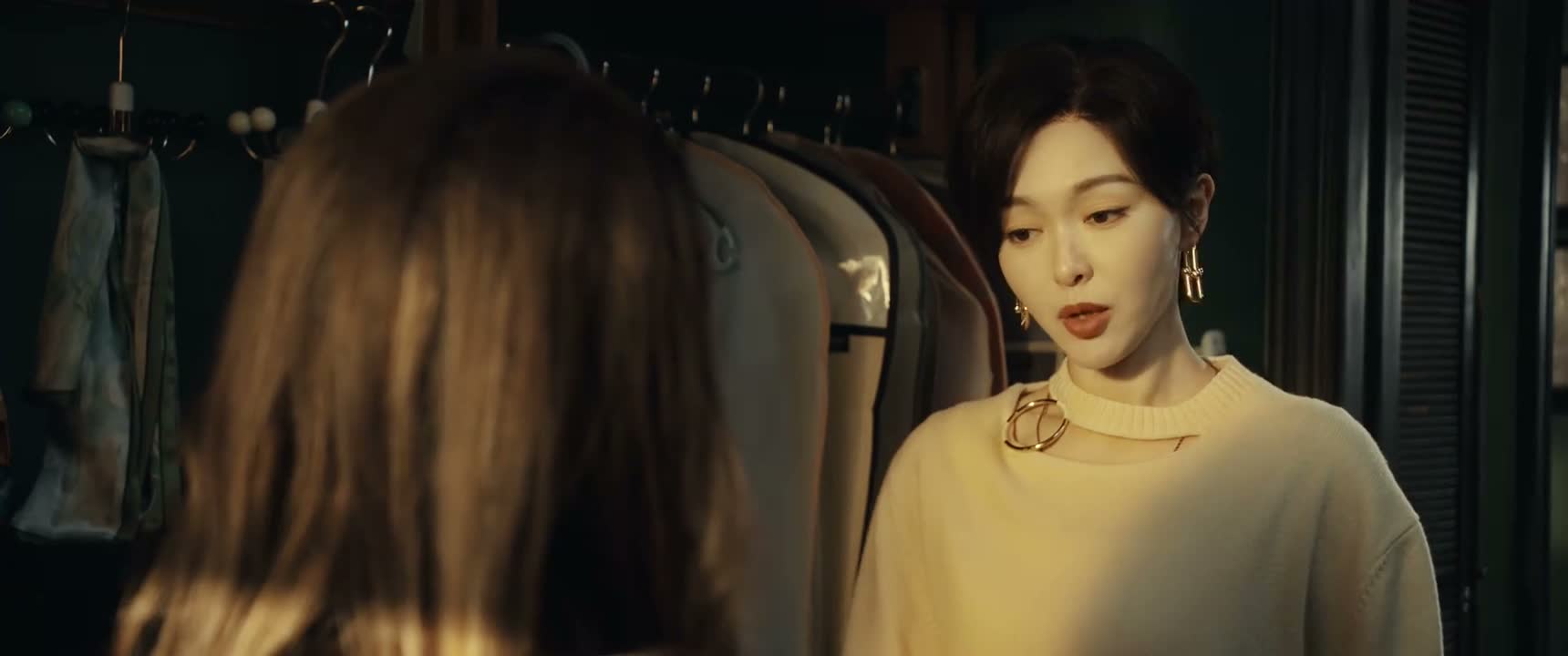
“Don't feel awkward about it.”

“feel a bit embarrassed. You see, we...”

“this is awkward. Alright.”

“I'm sorry.”

“What's there to be shy about?”
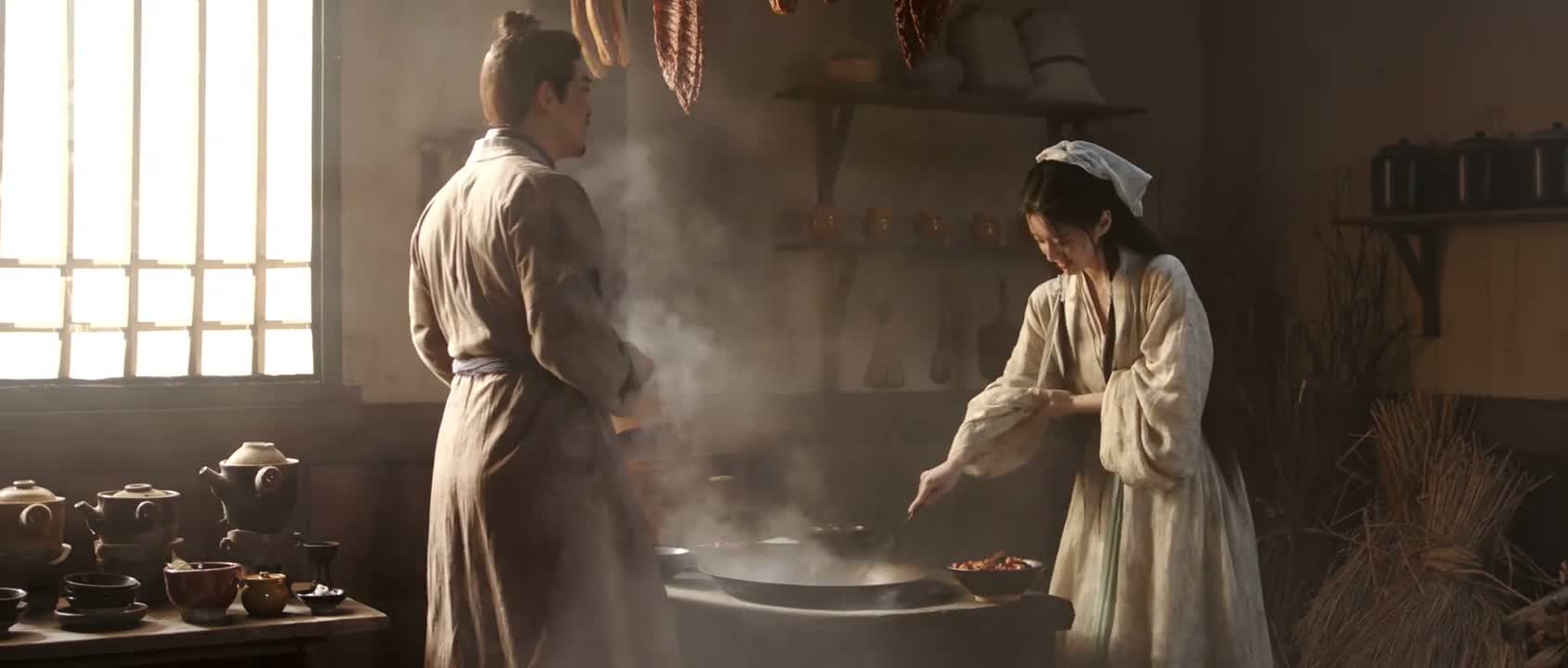
“What's there to be shy about?”

“I'm so sorry. My apologies, Mr. Xiao. Don't worry.”

“No need to be embarrassed. Be frank.”

“Then they will request more.”

“I feel bad”

“If you're really too embarrassed,”