都不好
dōu bù hǎoCommon spoken expression used by native Chinese speakers in daily life.
[Scene: 家庭日常]
(4 clips)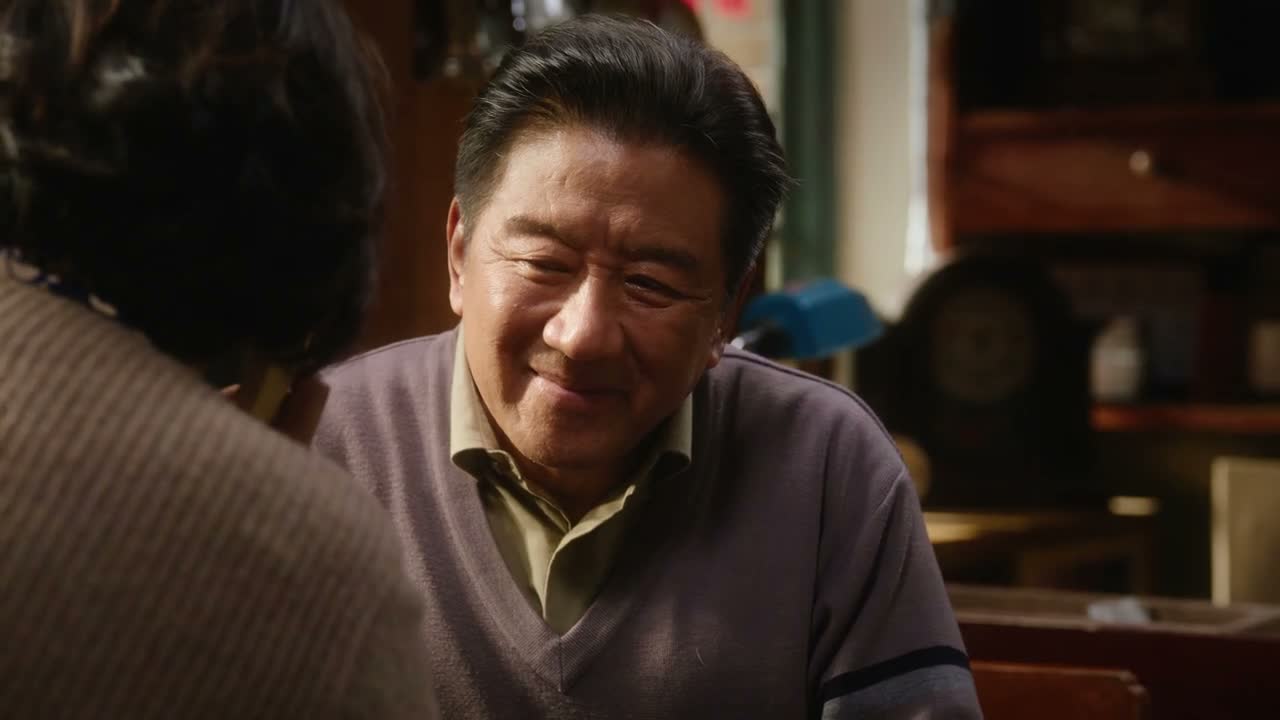 00:02
 00:03
(你说你们又是菌子的又是茶叶的) ── Previous context
“You're making us feel embarrassed. We didn't prepare anything special.”
 00:03
(你不用来的) ── Previous context
“If I hadn't, I'd feel bad staying at your place.”
 00:02
[Scene: 社交聚会]
(3 clips) 00:02
 00:02
 00:02
(谢谢何韩老师) ── Previous context
“I almost felt awkward asking. There's nothing awkward about it.”
[Scene: 商务沟通]
(2 clips) 00:03
(老板) ── Previous context
“Sir. It has been a few tough years. Give me a chance. Take a look.”
 00:03
(我也没什么资源) ── Previous context
“If Uncle Yong doesn't become a shareholder, I will be too embarrassed to take up a spot.”
[Scene: 其他场景]
(2 clips) 00:02
 00:02
(怎么回事啊 这怎么还吵起来了 蒋诚) ── Previous context
“everyone's devastated about our brother's death.”
[Scene: 其他场景]
(1 clips) 00:03
(一宿都没怎么睡) ── Previous context
“My mental state is terrible now. Then you should catch up on some sleep.”
[Scene: 餐饮美食]
(1 clips)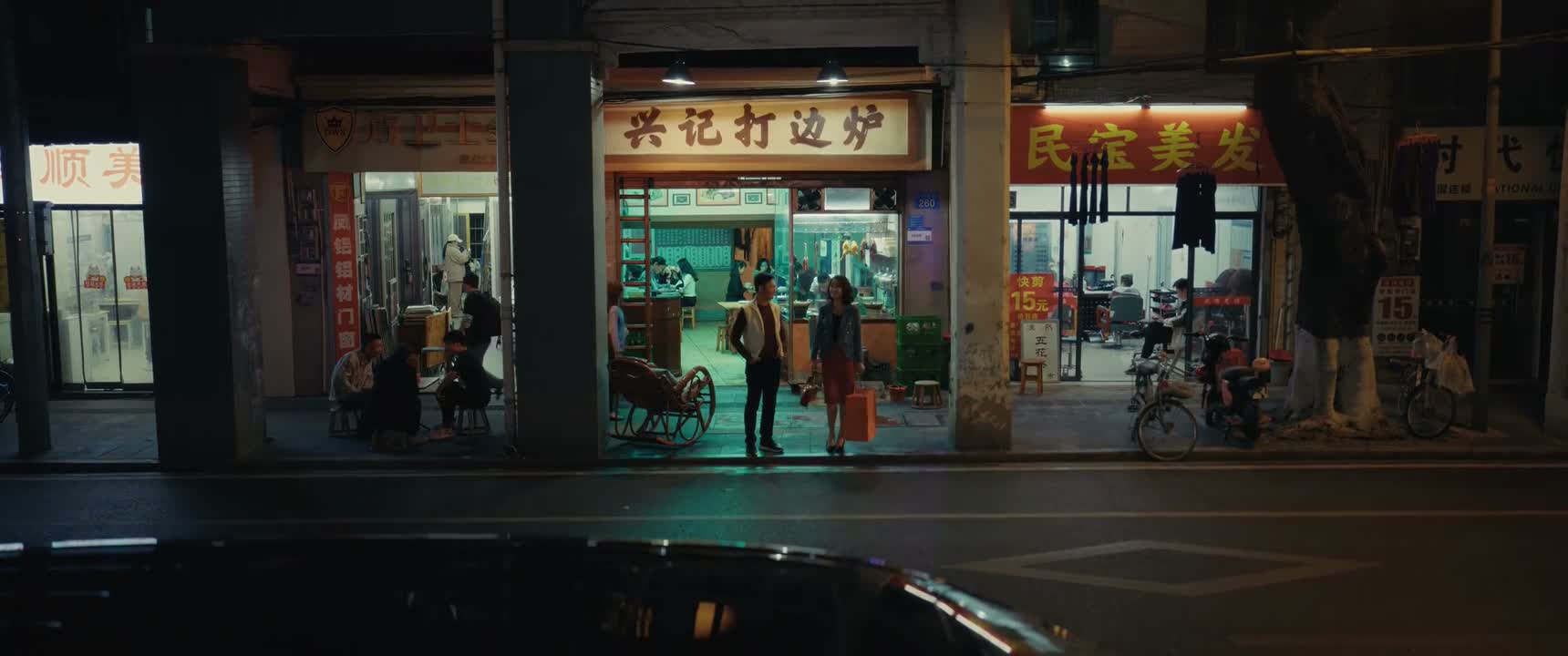 00:03
(谢谢你请我吃那么好吃的东西) ── Previous context
“It was so affordable. I feel bad. Don't mention it.”
[Scene: 警匪刑侦]
(1 clips) 00:03
[Scene: 出行交通]
(1 clips) 00:02
[Scene: 职场工作]
(1 clips) 00:02
📌 没事
→Nuance: 共享核心口语谓词: [不好意思]
📌 多休息
→Nuance: 劝解休息的核心意图一致
📌 胡思乱想
→Nuance: 劝解休息的核心意图一致
📌 放心
→Nuance: 共享核心口语谓词: [不好意思]
📌 要我说
→Nuance: 核心句式意图完全一致,可替换
📌 就怕
→Nuance: 同向近义词根配对: [这样 ↔ 这么]
📌 不准
→Nuance: 共享核心口语谓词: [不好意思]
📌 不好意思
→Nuance: 同向近义词根配对: [我们 ↔ 咱们]
📌 不知道
→Nuance: 共享核心口语谓词: [不好意思]