真不好意思 真不好意思 肖哥 你放心
“I'm so sorry. My apologies, Mr. Xiao. Don't worry.”
THE DIALOGUE REEL
你们怎么回事啊
“What was that about?”
真不好意思 真不好意思 肖哥 你放心
“I'm so sorry. My apologies, Mr. Xiao. Don't worry.”
“We will take full responsibility for all orders placed with us.”
“Please calm down and don't make a scene; I will personally handle the mistake.”
Calling a client or business partner 'Brother Xiao' builds interpersonal warmth (guanxi) and softens formal workplace conflicts.
LEARNING CHUNKS & PARTICLES
I am truly sorry / terribly embarrassed
A highly natural spoken apology used to soften tense situations or acknowledge service mishaps.
rest assured / don't worry
Commonly said to clients or superiors to signal commitment and quell doubts.
VOCABULARY & EXPRESSIONS
Parallel Spoken Cinema Scenes (语义近邻切片)
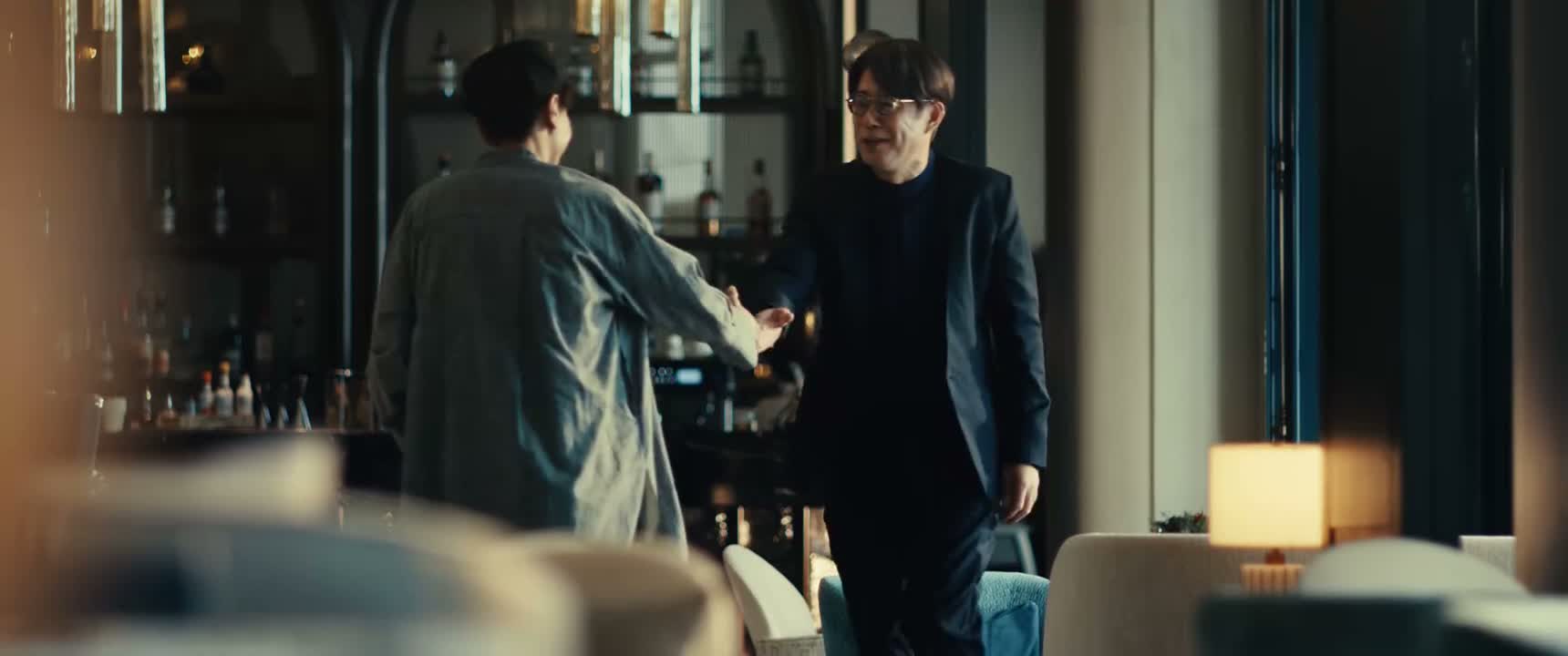
“Sorry to have you come so early. Not at all.”

“Mr. Cao, sorry to cause you trouble.”

“Thank you so much. Not at all. - Not at all. - Watch for thorns!”

“I'm really sorry. Let me help you clean up. It's fine.”
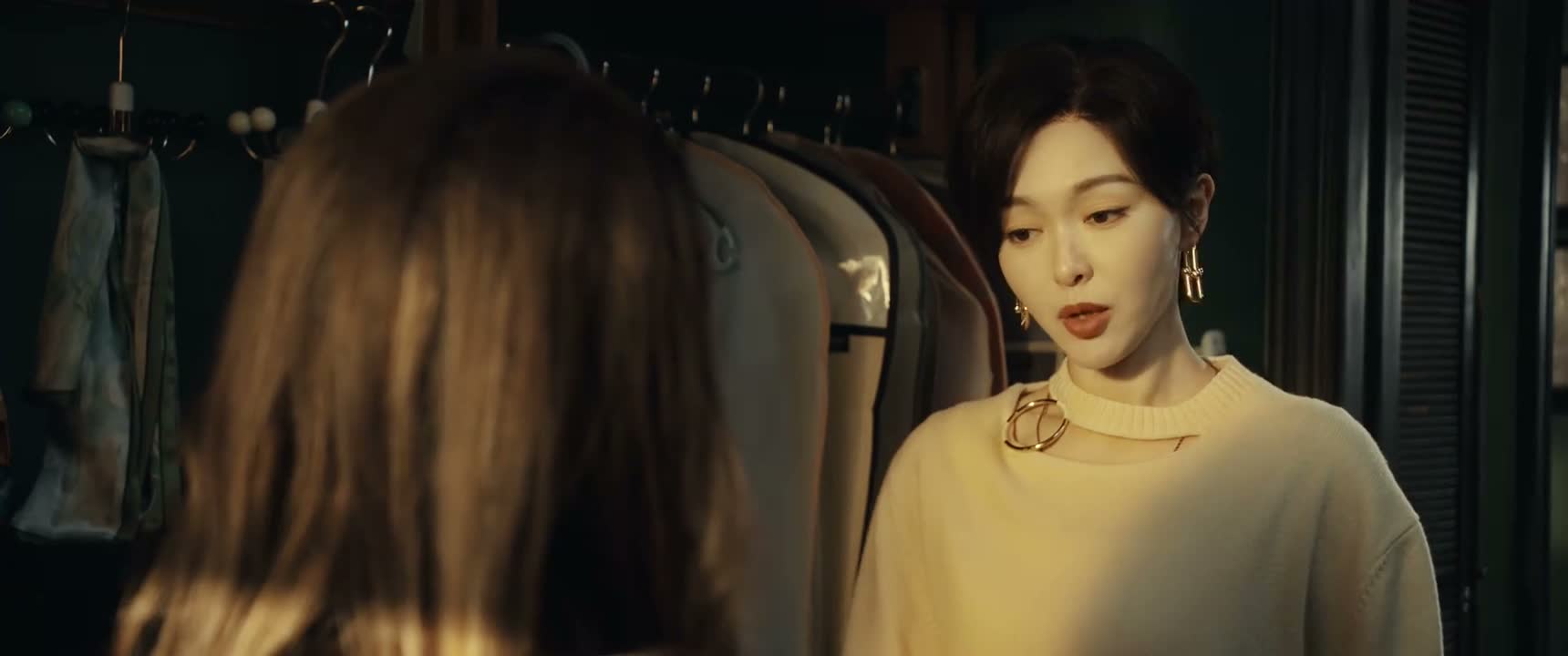
“Don't feel awkward about it.”

“this is awkward. Alright.”

“I'm sorry.”

“I really don't know, sorry. Sorry.”

“I'm so sorry. It's fine. It's your first time visiting, and I made you fix this and that.”

“What's there to be shy about?”
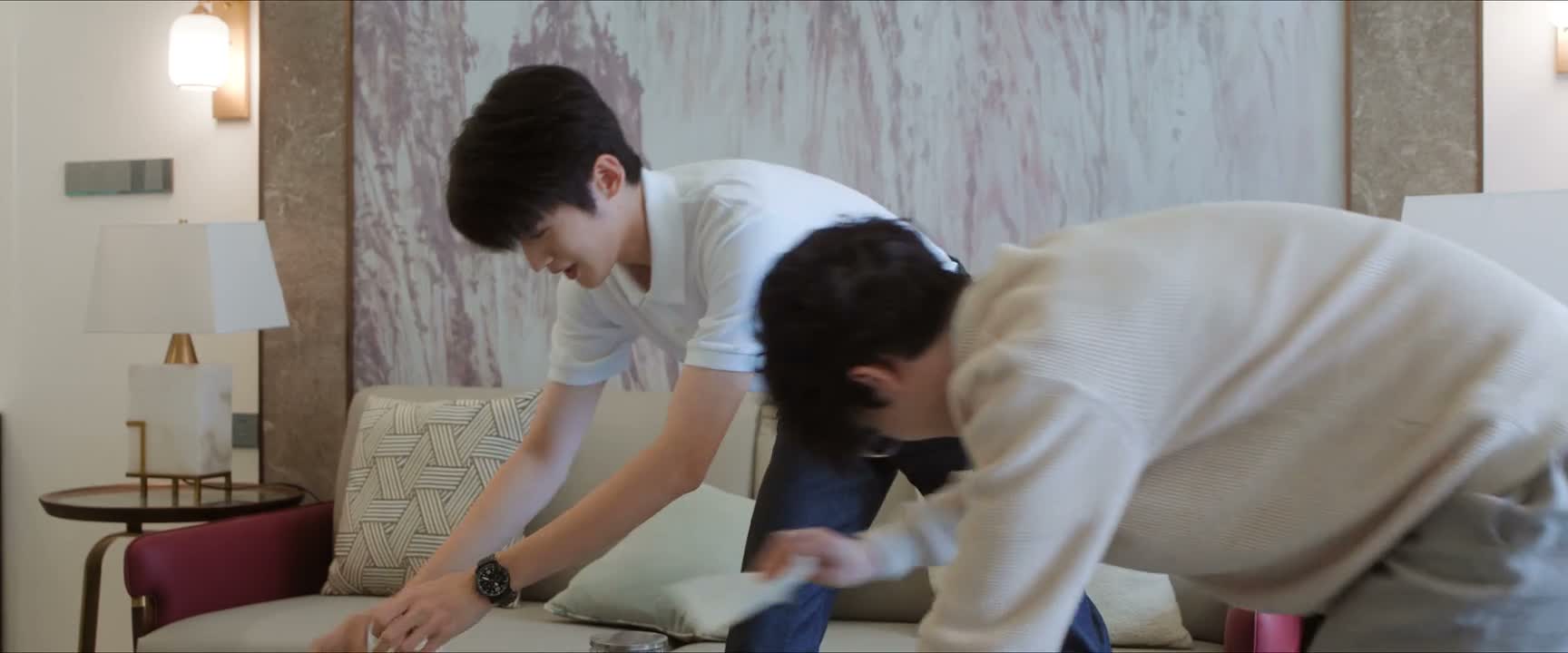
“It's okay. I'm really sorry.”
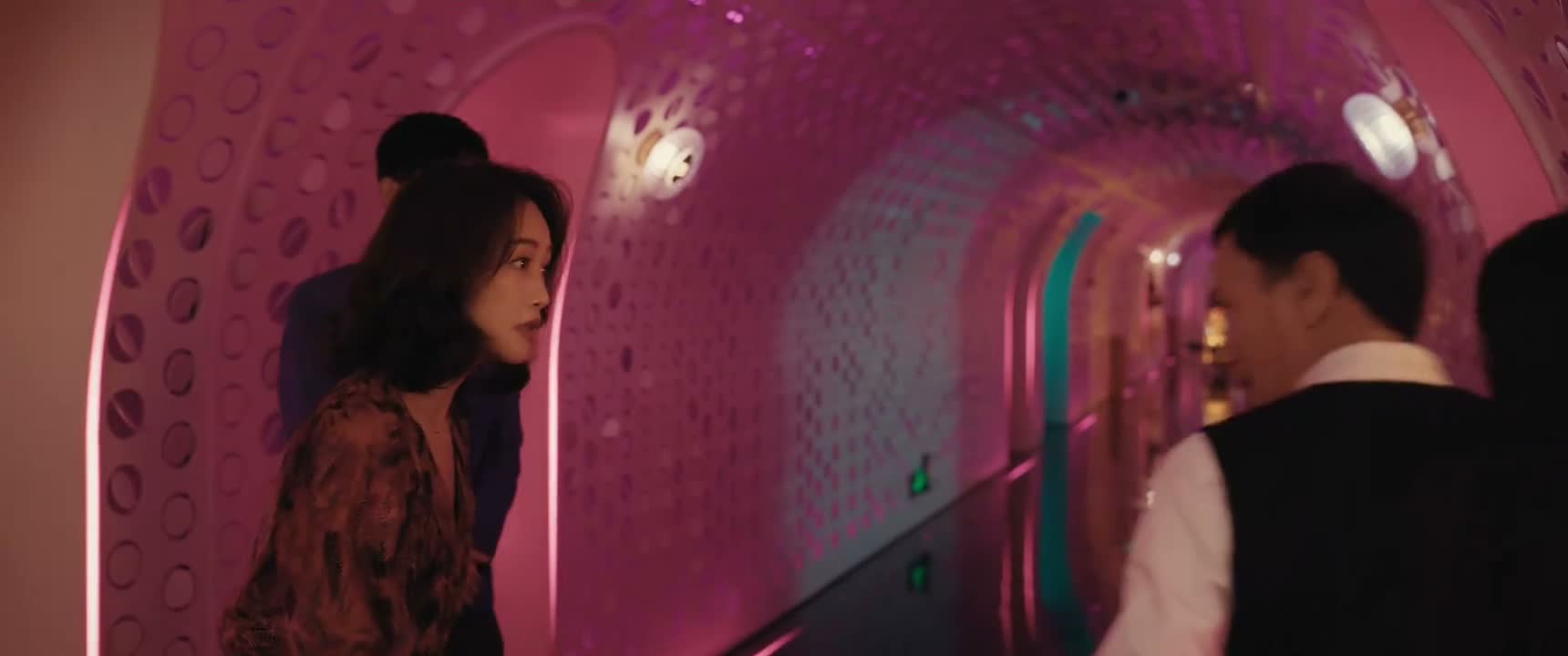
“Sorry. I'm so sorry. Get out.”

“My apologies for not being helpful. I understand.”
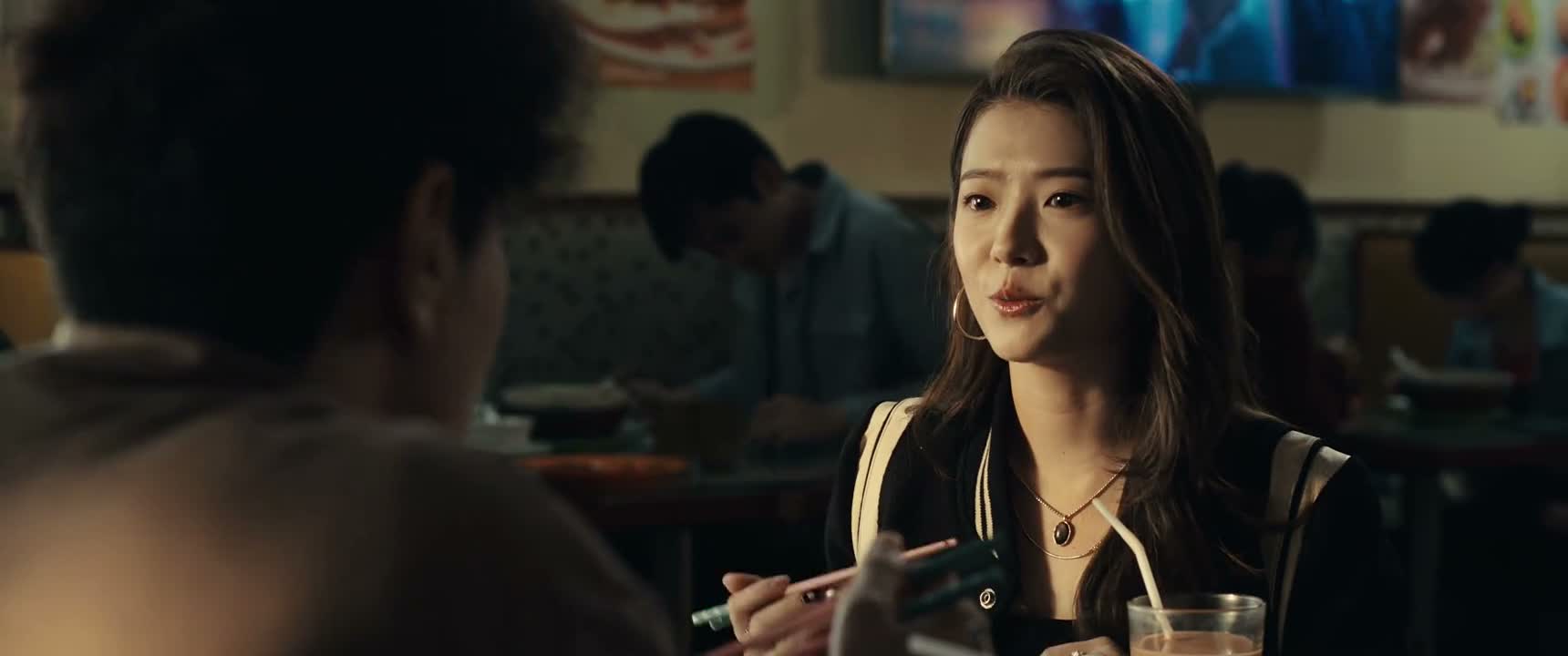
“I almost felt awkward asking. There's nothing awkward about it.”

“Then they will request more.”

“I'm really sorry about this. Director Guo.”

“If you're really too embarrassed,”