不好意思啊 给你添麻烦了昨天
“I'm sorry for causing you trouble yesterday.”
THE DIALOGUE REEL
两位还好吗 这是我们酒店赠送的醒酒汤
“Are you two doing alright? This is the free hangover soup offered by our hotel.”
不好意思啊 给你添麻烦了 昨天
“I'm sorry for causing you trouble yesterday.”
添麻烦了 麻烦你了
“-Sorry for the trouble. -Thank you.”
Direct spoken expression in this communicative setting.
Chinese politeness emphasizes acknowledging whenever one imposes on others, showing respect and consideration by verbalizing the inconvenience caused.
LEARNING CHUNKS & PARTICLES
to cause trouble / inconvenience for someone
Essential polite expression for acknowledging imposition on others in both service and social contexts.
excuse me; sorry
Ubiquitous mild apology and social lubricant in spoken Chinese.
Softens the opening apology to sound warm and sincere.
Marks the completed action of having caused trouble in the past.
VOCABULARY & EXPRESSIONS
Parallel Spoken Cinema Scenes (语义近邻切片)

“I'm sorry for causing you trouble today. I'm fine.”
“Sorry about that. Sorry for the trouble. Thank you.”
“I'm really sorry for the trouble.”

“we've bothered you a lot. Thank you.”
“Sorry. We were a bit loud yesterday. We apologize.”

“I'm sorry to trouble you with that.”
“Sorry to keep you waiting.”

“Sorry, I was tied up just now.”
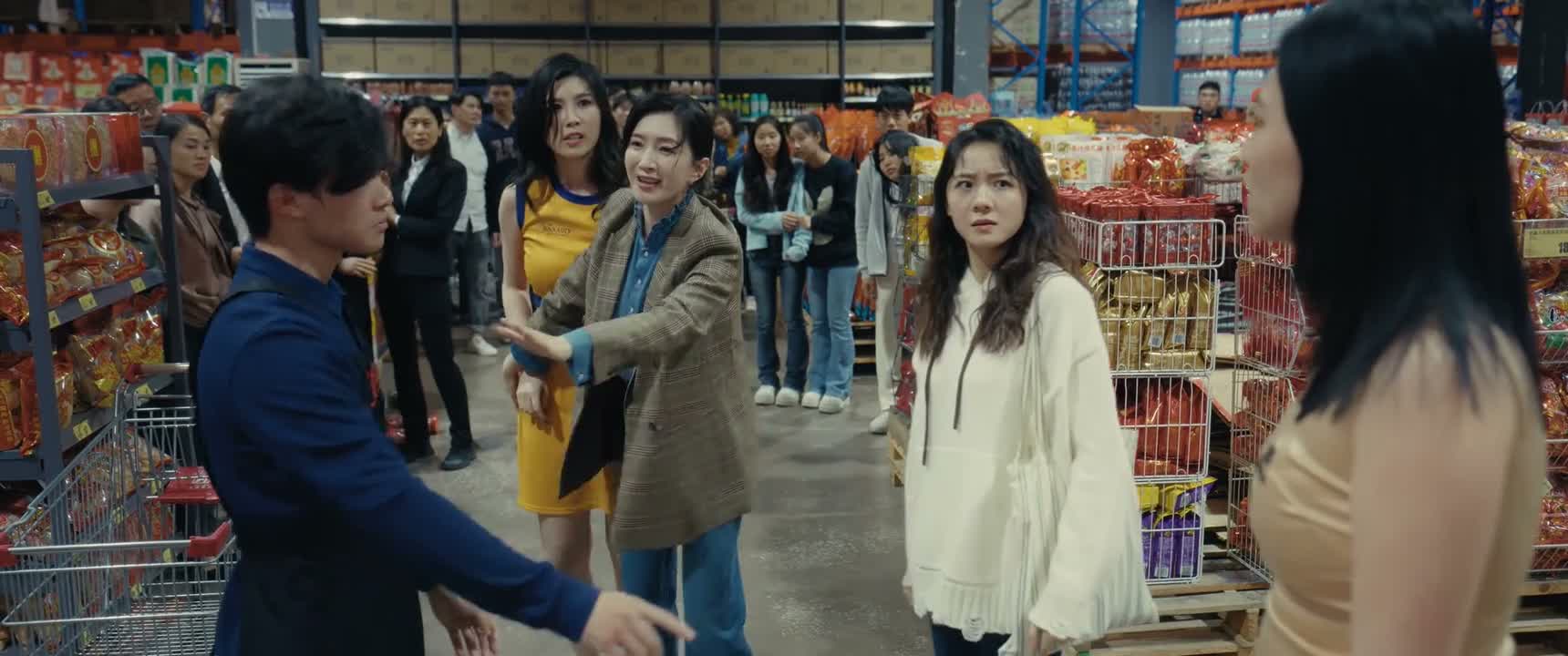
“Sorry about this. You just wait. What?”
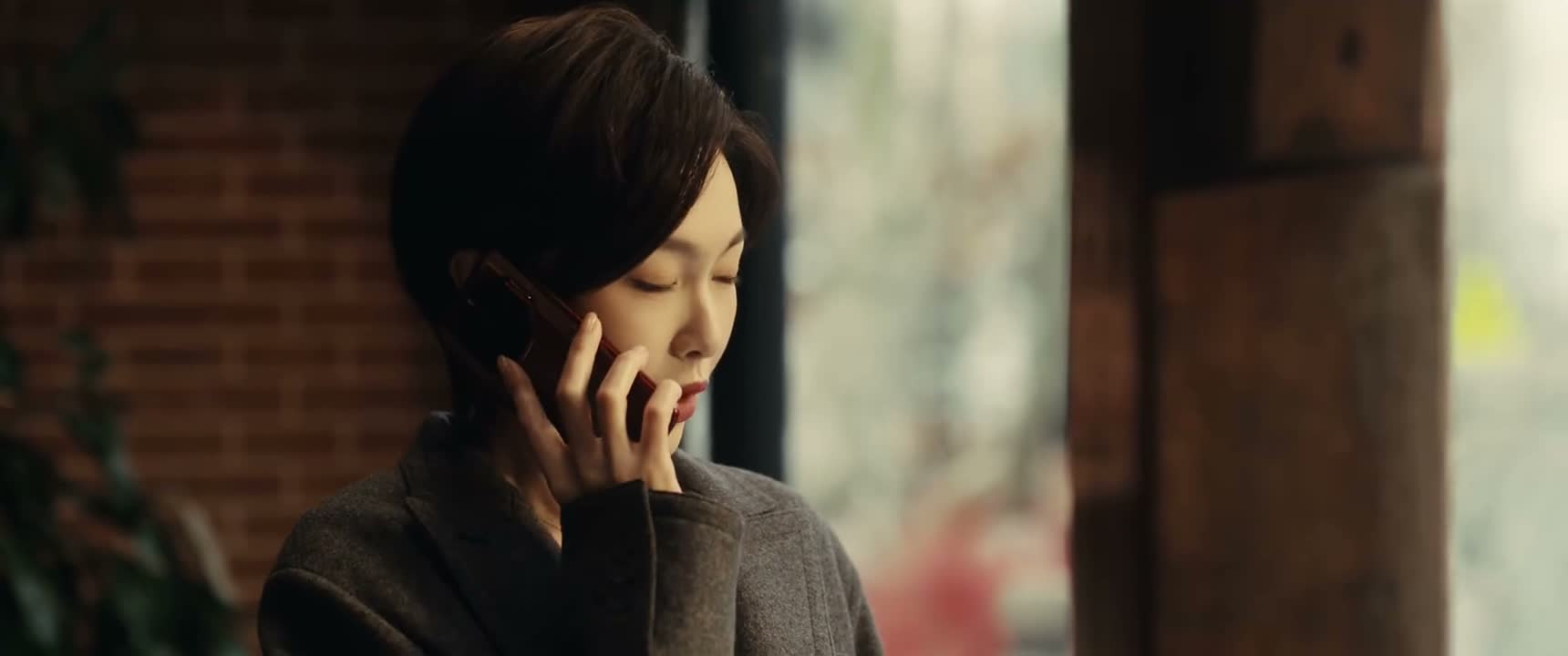
“Sorry, I'm in the middle of moving today,”
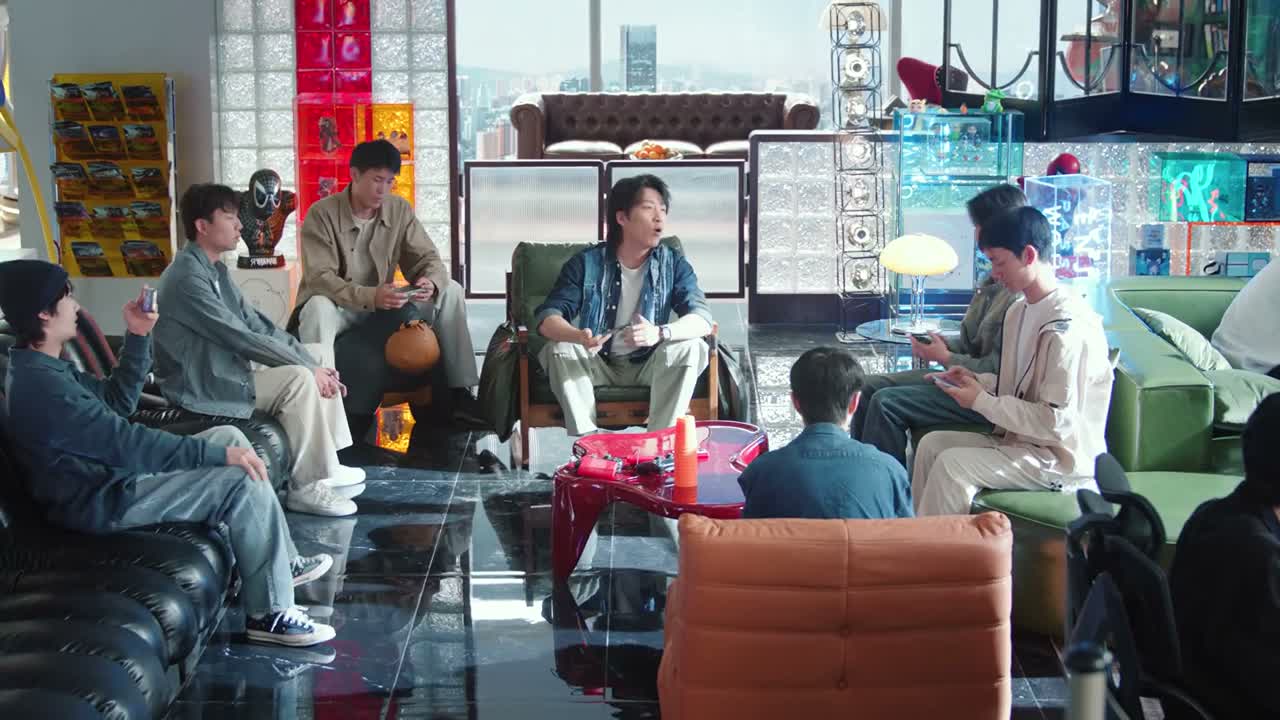
“Sorry. I'm a noob, sorry. Start again.”

“I'm sorry about this accident.”

“Sorry to disturb you again.”

“Sorry, I'll just... It's fine.”

“Sorry, I got the wrong room.”
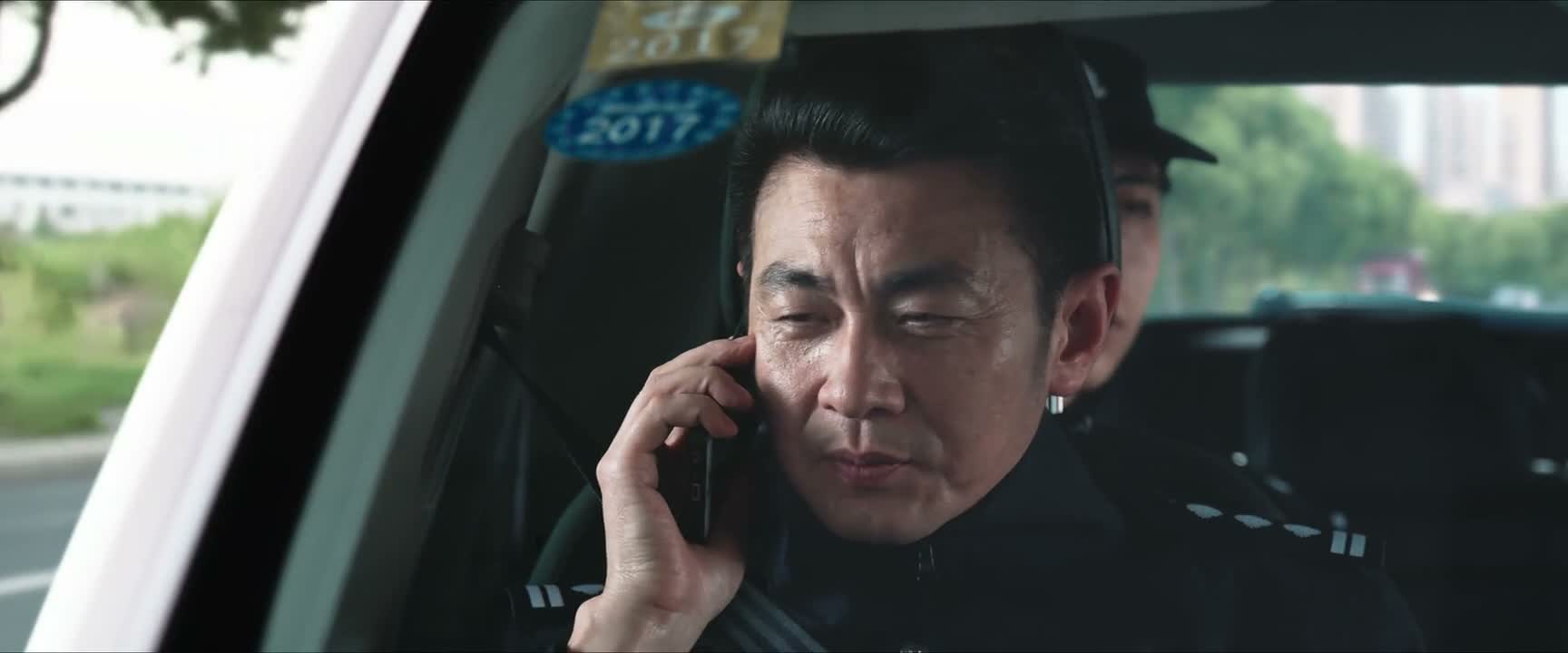
“I'm sorry, but my wife hasn't been feeling well recently,”