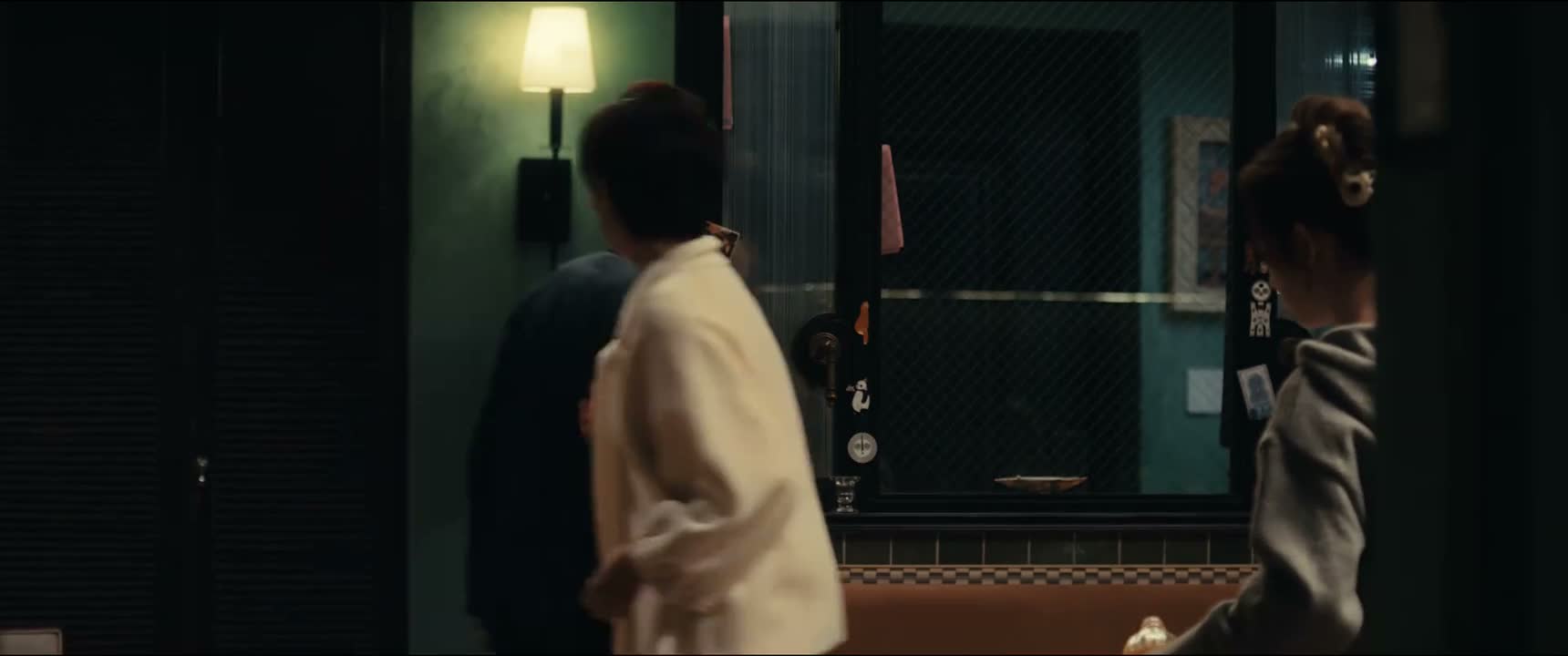
不好意思啊 又来打搅你
“Sorry to disturb you again.”
THE DIALOGUE REEL
小乔
“Qiao.”
不好意思啊 又来 打搅 你
“Sorry to disturb you again.”
这位是… 阿姨好 我叫何晓荷 我爸叫何远航
“And this is… Hi, miss. I am He Xiaohe. My father is He Yuanhang.”
Direct spoken expression in this communicative setting.
Chinese social norms emphasize explicitly acknowledging the inconvenience caused to others before getting down to the actual purpose of a visit.
LEARNING CHUNKS & PARTICLES
excuse me; sorry
The most standard daily apology formula used for minor intrusions or inconveniences.
to disturb; to bother
A courteous verb commonly used when entering someone's space or requesting their time.
Softens the opening apology, making the delivery warmer and more approachable.
VOCABULARY & EXPRESSIONS
Parallel Spoken Cinema Scenes (语义近邻切片)

“Sorry. I mistook you for someone else. Apologies.”

“Sorry. We haven't seen this place so lively for a while.”
“Sorry to keep you waiting.”
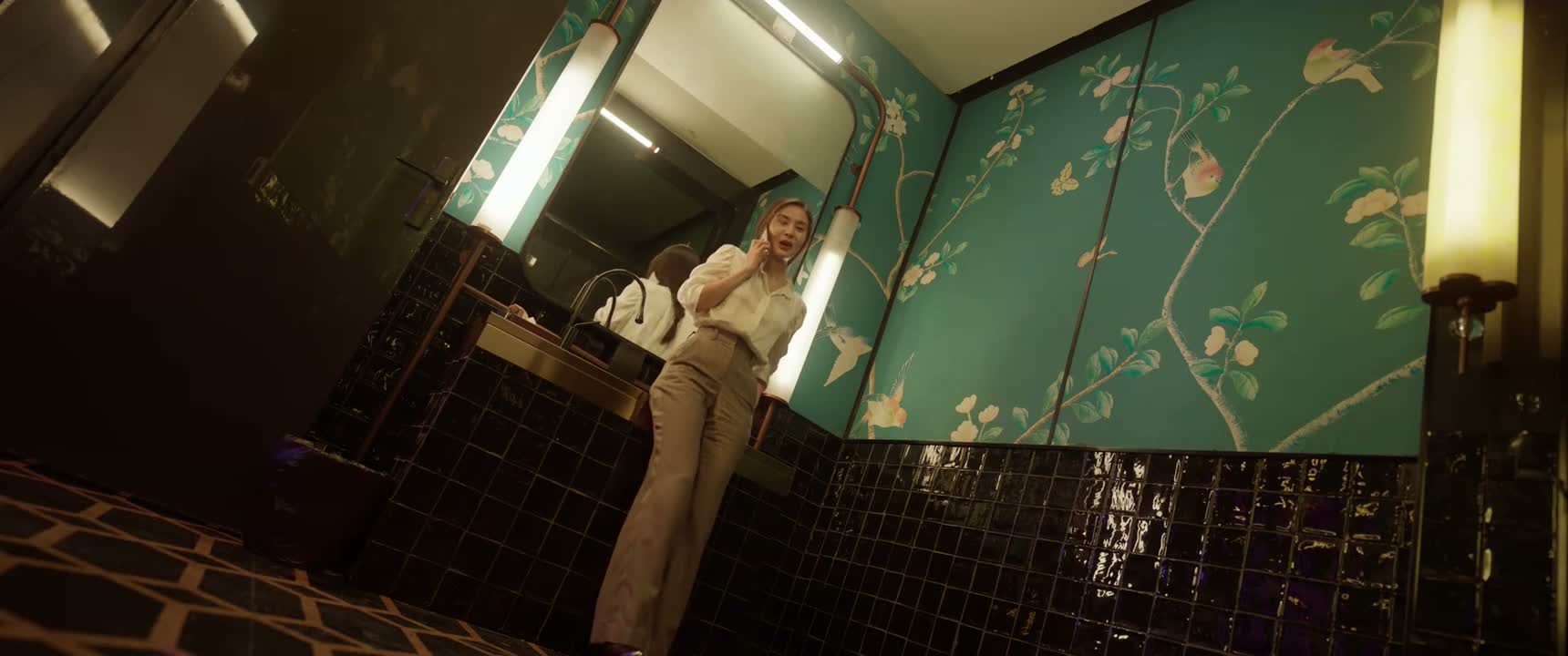
“Sorry, I was tied up just now.”

“Sorry. What brings you here? Sorry about that.”

“Sorry, Wanzhi. I actually didn't have time to get one.”

“Sorry, I, I shouldn't have said so much about your life.”

“I'm sorry for causing you trouble yesterday.”
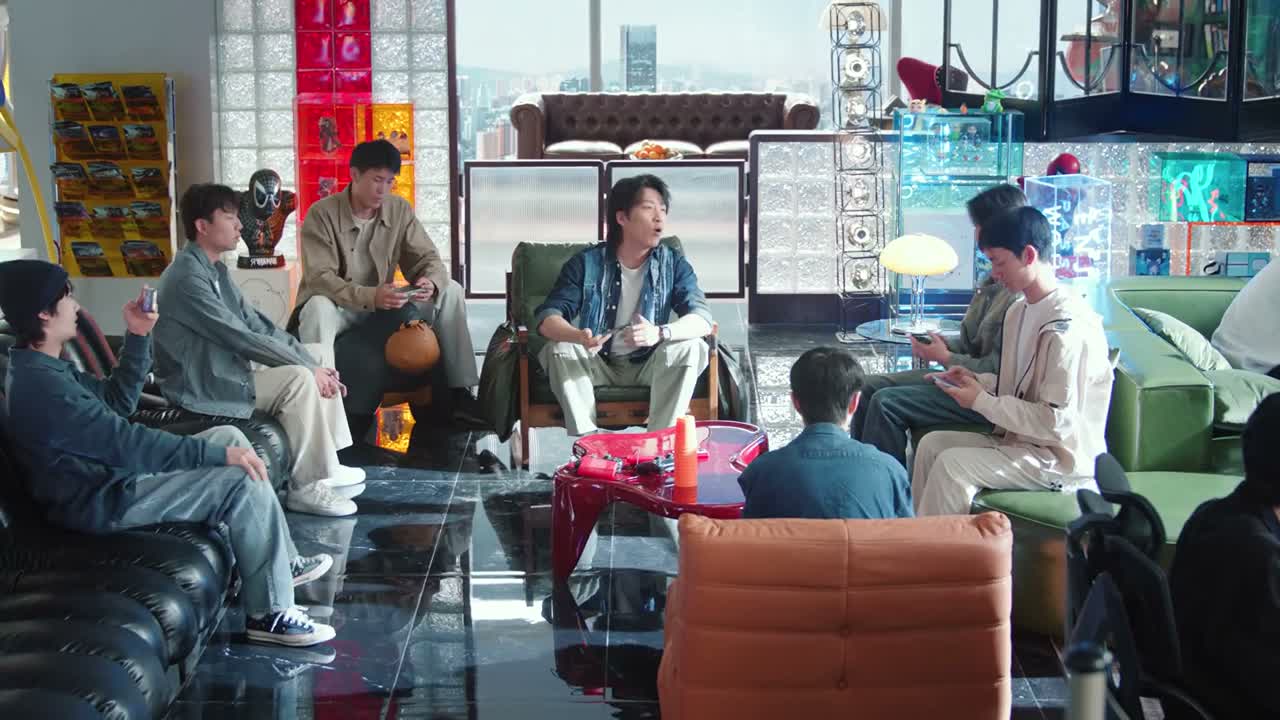
“Sorry. I'm a noob, sorry. Start again.”

“I'm sorry. It's fine. Sorry for the intrusion.”

“I'm sorry about this accident.”

“I'm sorry. Is it too sudden?”

“Excuse me, let me through.”

“I'm sorry. My son is spoiled. Thank you.”

“I'm sorry for coming to see you on such a short notice.”

“I'm sorry. Miss, let me handle it. I'm sorry.”

“Sorry, I'll just... It's fine.”

“Sorry. I'm really anxious,”

“Sorry, I got the wrong room.”
“I'm sorry. I interrupted your work.”
“I'm sorry to trouble you with that.”