不好意思啊 孩子太不懂事了 谢谢嫂子
“I'm sorry. My son is spoiled. Thank you.”
THE DIALOGUE REEL
听到没有
“Do you hear me?”
不好意思啊 孩子 太 不懂事 了 谢谢 嫂子
“I'm sorry. My son is spoiled. Thank you.”
“-Take care. -Thank you. See you next time.”
“Please don't take offense at the child's rude behavior, I appreciate your generosity.”
Chinese parents often criticize their children publicly as 'not knowing better' (不懂事) to demonstrate that the parents understand propriety, preserving both parties' face.
LEARNING CHUNKS & PARTICLES
inconsiderate / lacking social sense / ill-mannered
Commonly used by Chinese parents to deprecate their children's social shortcomings and save face.
excuse me / I am sorry
A versatile everyday phrase for mild apologies, embarrassing situations, or expressing polite regret.
Softens the apology to make it sound warm and humble rather than overly stiff.
Emphasizes the excessive extent of the child's thoughtlessness.
VOCABULARY & EXPRESSIONS
Parallel Spoken Cinema Scenes (语义近邻切片)

“Sorry. I mistook you for someone else. Apologies.”
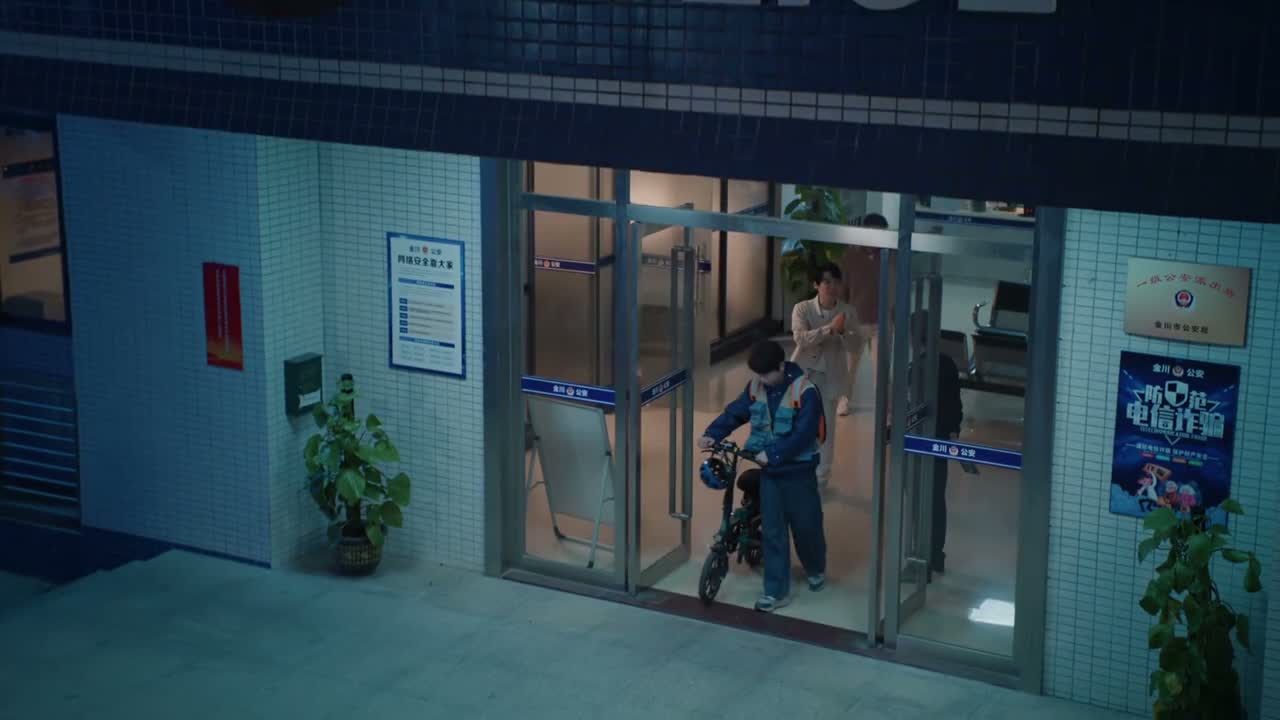
“Sorry about that. Sorry for the trouble. Thank you.”

“I'm sorry. I shouldn't have mentioned that”
“Sorry to keep you waiting.”

“Sorry, Wanzhi. I actually didn't have time to get one.”
“I'm really sorry. I'm not quite sure what's going on either.”

“I'm sorry. She's old.”

“It actually made her feel quite awkward.”

“I'm sorry about this accident.”

“I'm sorry. Is it too sudden?”

“Sorry about that. Both my parents are teachers, so they tend to talk a lot.”

“Sorry to disturb you again.”

“I'm sorry. Miss, let me handle it. I'm sorry.”

“Sorry, I'll just... It's fine.”
“I'm sorry, but my wife hasn't been feeling well recently,”
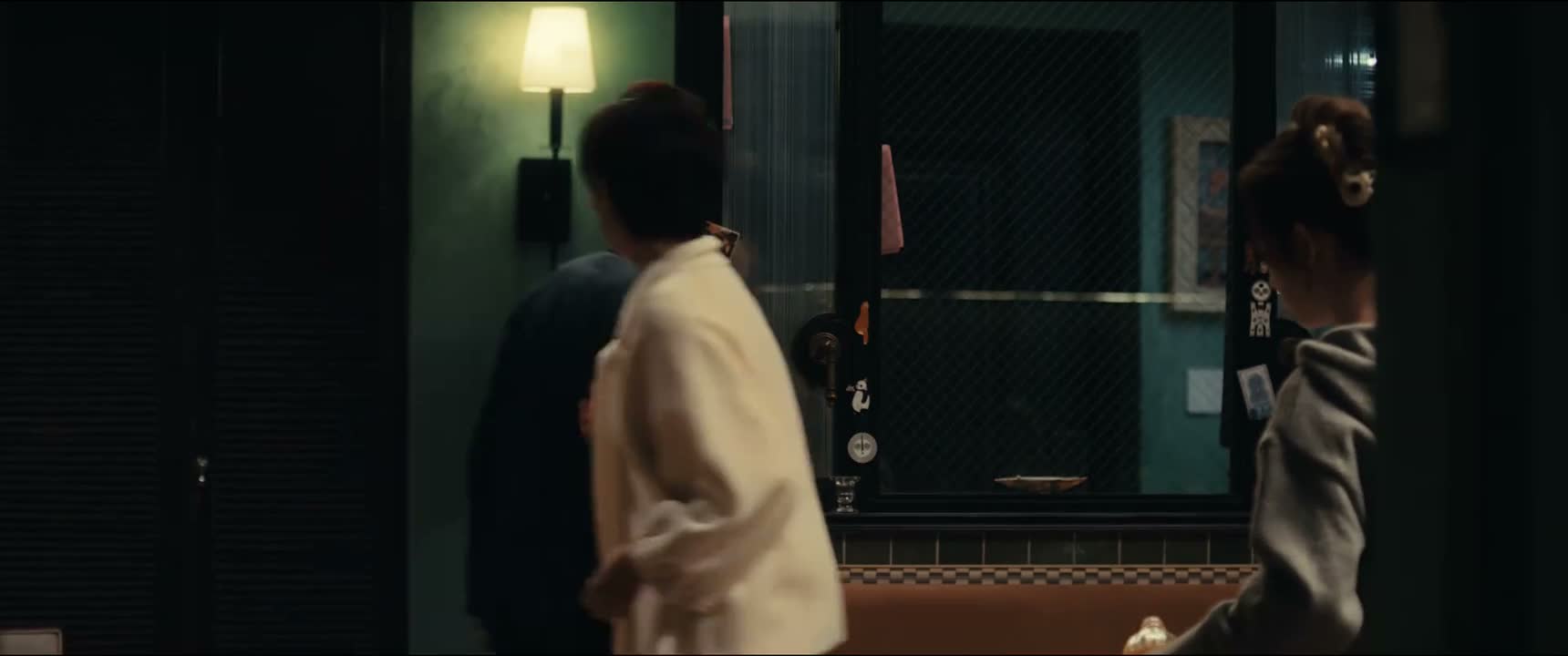
“I'm sorry to trouble you with that.”
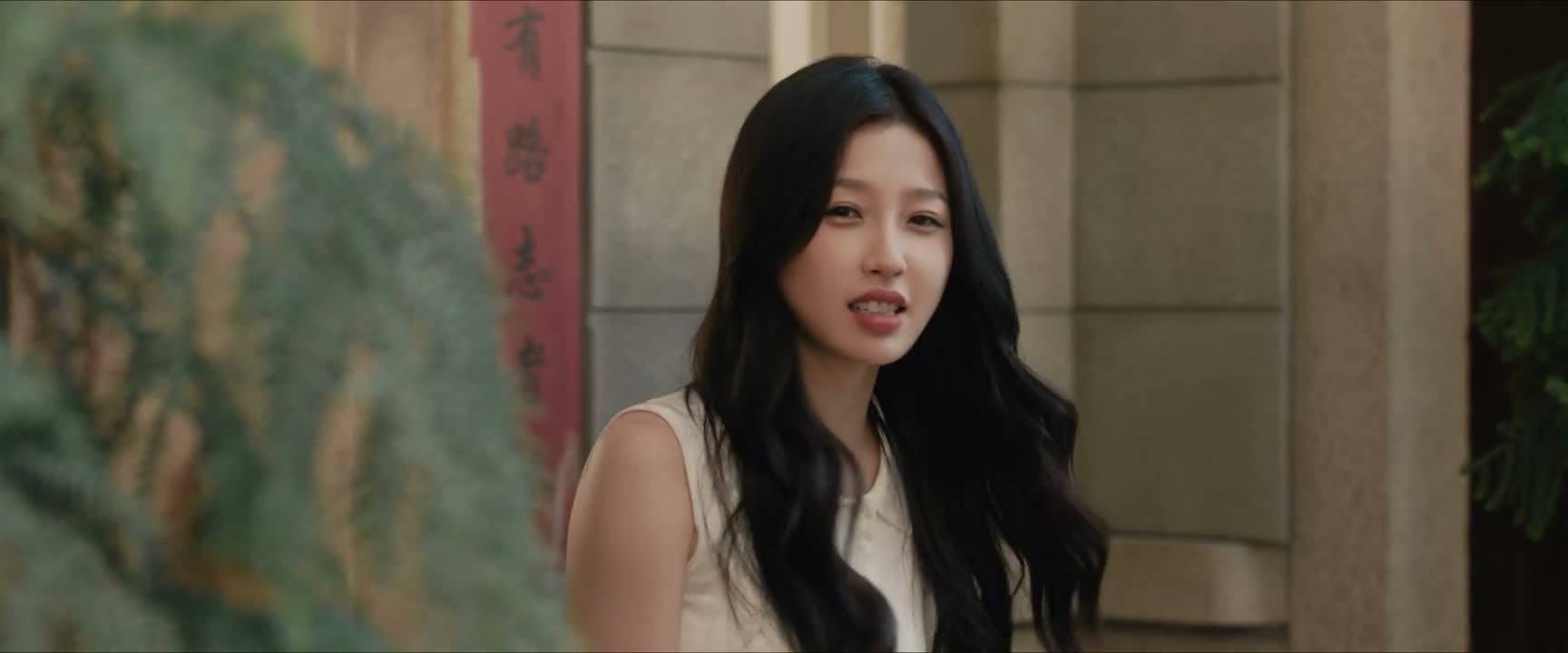
“I'm sorry. I got up too early this morning and couldn't help you out.”