MC
MandarinClips Cinema Corpus
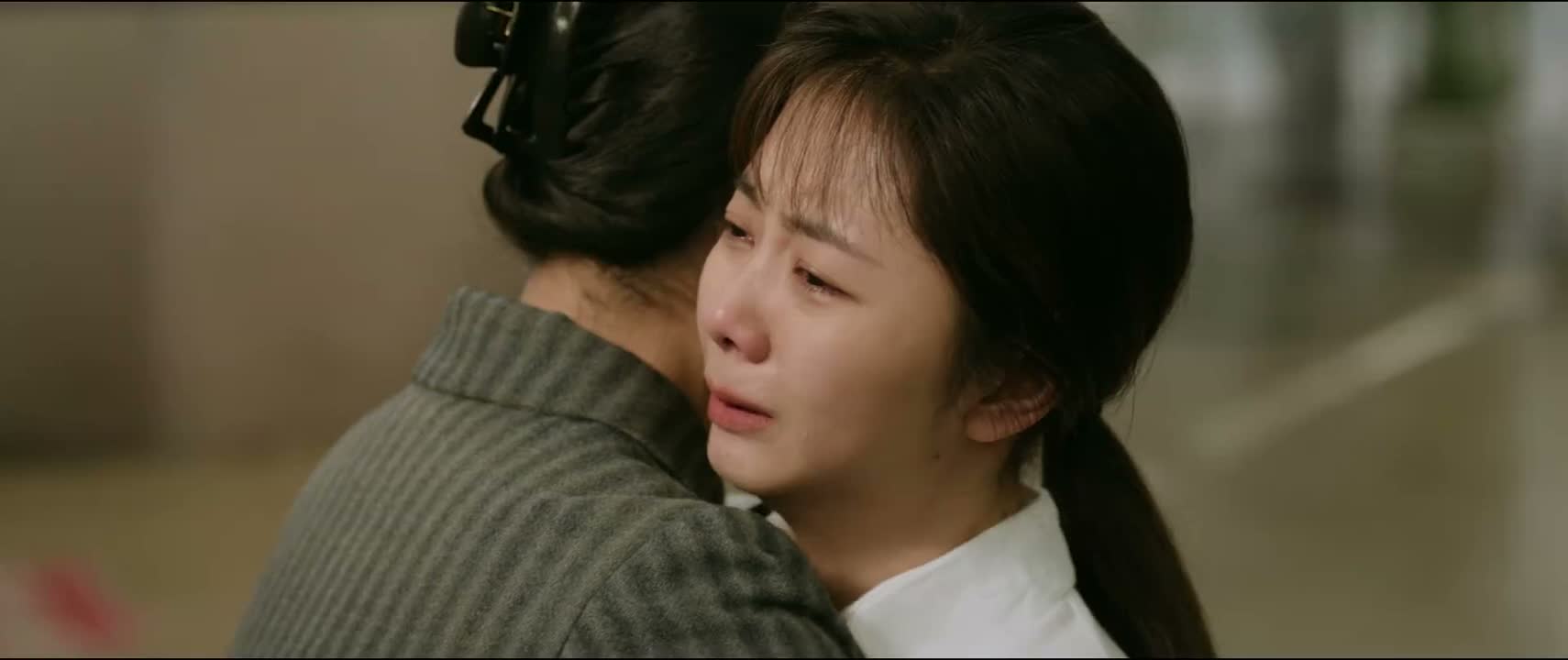
《Vanished Name》 S1·E17 (02:07) HSK 3
duì bù qǐ hái zi ā yí bù yīng gāi

对不起 孩子 阿姨不应该

“I'm sorry. I shouldn't have mentioned that”

《Vanished Name》 S1·E17
TIMECODE: 02:07 · 1080P MASTER AUDIO

THE DIALOGUE REEL

1+1+1 SPOKEN CONTINUITY
[-1] PREVIOUS TURN yǒu nǐ zhè me dāng miàn shuō nǐ qīn mā de ma

有你这么当面说你亲妈的吗

“How can you say that about your mom?”

duì bù qǐ hái zi ā yí bù yīng gāi CURRENT FOCUS

对不起 孩子 阿姨 不应该

“I'm sorry. I shouldn't have mentioned that”

[+1] FOLLOW-UP TURN zài nǐ miàn qián tí nà liǎng gè zì

“in front of you.”

Subtitles synced to millisecond timecode Browse Show Clips →
Scene: Family & Home
Function: APOLOGIZING
Tone: APOLOGETIC
Emotion: REGRET
WHAT THEY REALLY MEAN (PRAGMATIC SUBTEXT)

Direct spoken expression in this communicative setting.

💡 Cultural Insight: Generational Tact and Taboos

Senior family members rarely apologize to juniors unless an overt emotional boundary or deep family trauma has been crossed.

INTENT TAGS: #apology #remorse #comforting #de-escalation
🧩

LEARNING CHUNKS & PARTICLES

2 CHUNKS · 0 PARTICLES
对不起 SPOKEN CHUNK

I am sorry; excuse me

Standard apology expressing genuine regret and accountability.

不应该 SPOKEN CHUNK

should not have

Commonly used in spoken Chinese to accept fault for a past blunder or tactless comment.

🏮

VOCABULARY & EXPRESSIONS

2 EXPR · 1 GRAMMAR
GRAMMAR BLUEPRINTS:
CROSS-CINEMA CORPUS BOARD · PARALLEL SCENES

Parallel Spoken Cinema Scenes (语义近邻切片)

EXPLORE BY SEMANTIC SIMILARITY
《Vanished Name》 S1·E17 (02:07) · Authentic Cinema Dialogue Corpus