不好意思啊 我是不是太突然了
“I'm sorry. Is it too sudden?”
THE DIALOGUE REEL
明月
“Mingyue.”
不好意思啊 我是 不是 太突然了
“I'm sorry. Is it too sudden?”
要不然咱们 试着再相处一下 我会努力让你
“How about we try to get along with each other? I'll make efforts to let you”
“I hope I did not scare you away, but I really need to tell you how I feel.”
In Chinese romantic interactions, direct emotional appeals are often padded with self-effacing apologies to give the counterpart room to react comfortably without immediate pressure.
LEARNING CHUNKS & PARTICLES
excuse me / I am sorry
A mild, polite apology used to soften social awkwardness or acknowledge an inconvenience.
too abrupt / too out of the blue
Used to describe an unexpected event, statement, or confession that catches someone off guard.
Softens the initial apology to make it sound gentler and less formal.
Indicates a newly realized state or situation that has just come to pass.
VOCABULARY & EXPRESSIONS
Parallel Spoken Cinema Scenes (语义近邻切片)
“Sorry. I mistook you for someone else. Apologies.”

“[Nanping Station] Excuse me. Sorry. Excuse me. I'm in a real hurry.”

“Sorry. We haven't seen this place so lively for a while.”
“Sorry to keep you waiting.”
“Sorry, I was tied up just now.”

“Sorry. What brings you here? Sorry about that.”

“Sorry, Wanzhi. I actually didn't have time to get one.”
“Sorry, I'm in the middle of moving today,”

“I'm really sorry. That's just how my job is.”
“So sorry I'm late. Traffic was heavy.”
“I'm really sorry. I'm not quite sure what's going on either.”
“I'm sorry. She's old.”
“I'm sorry about this accident.”

“Sorry about that. Both my parents are teachers, so they tend to talk a lot.”

“I'm sorry. My son is spoiled. Thank you.”
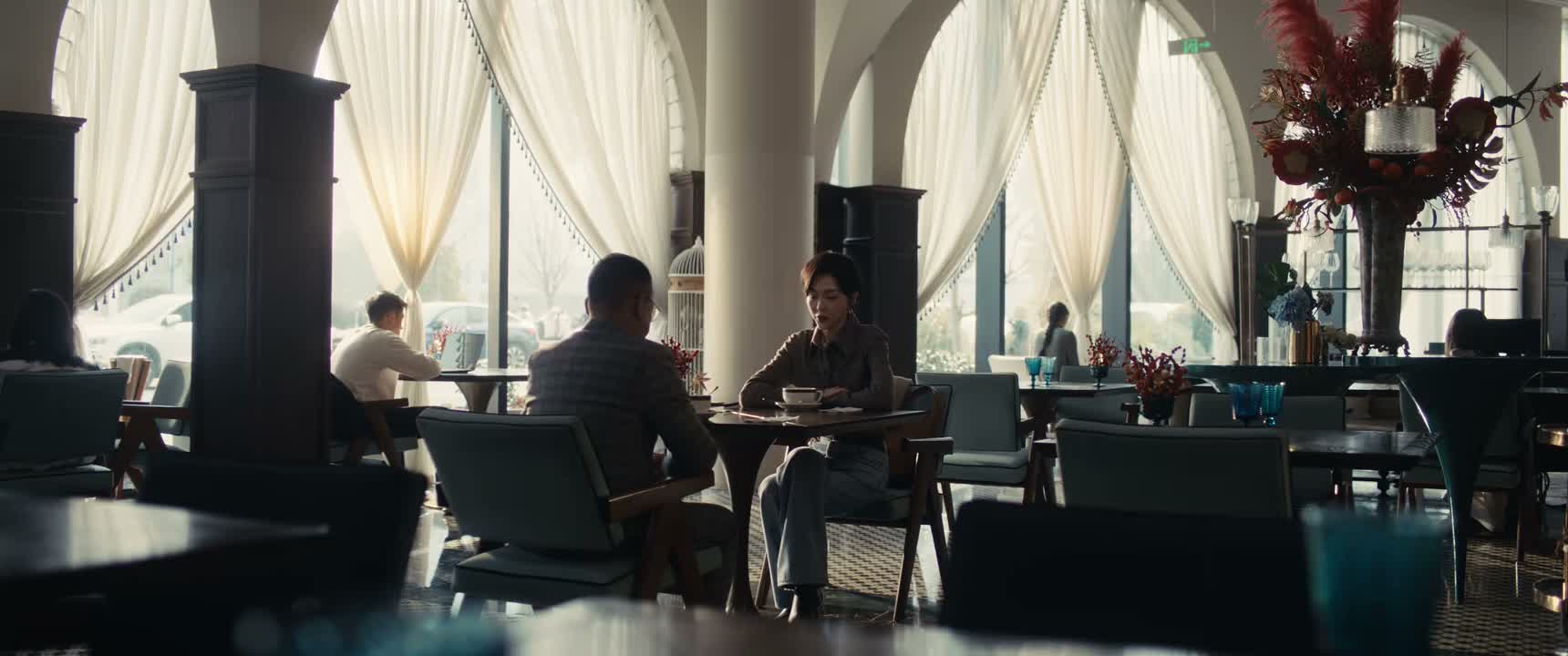
“Sorry, I couldn't come until this afternoon.”
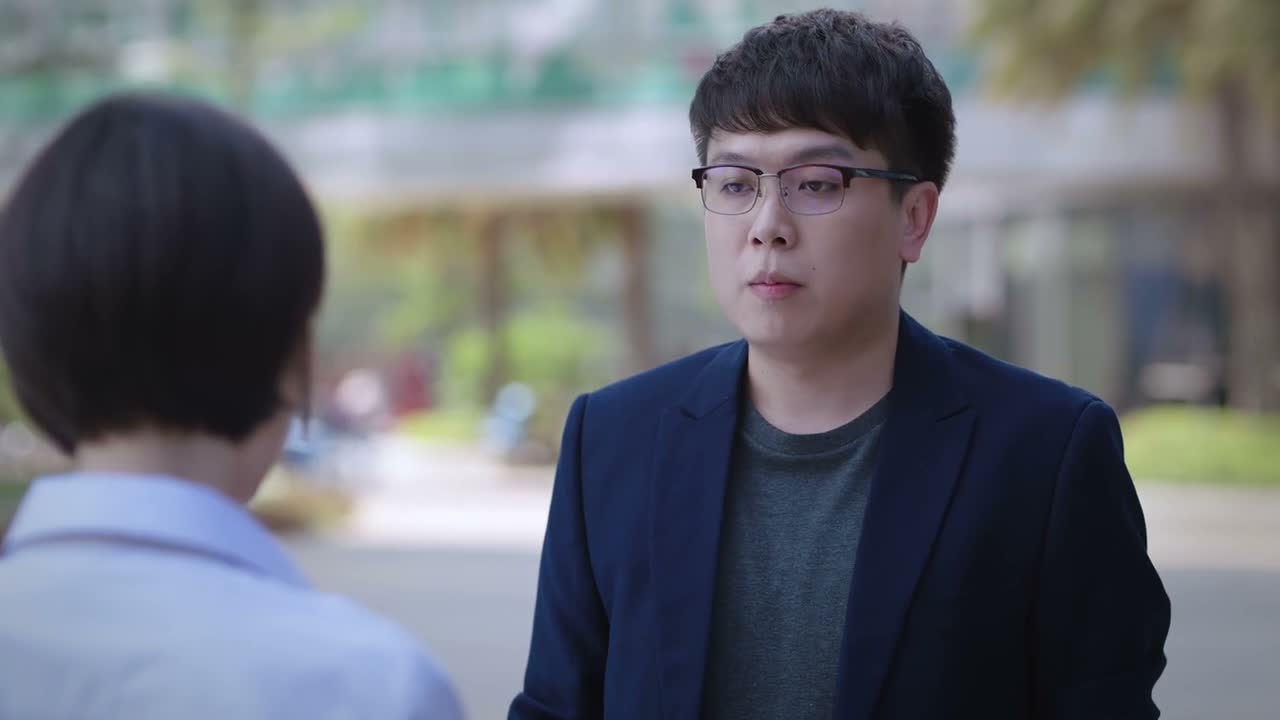
“I'm sorry for coming to see you on such a short notice.”
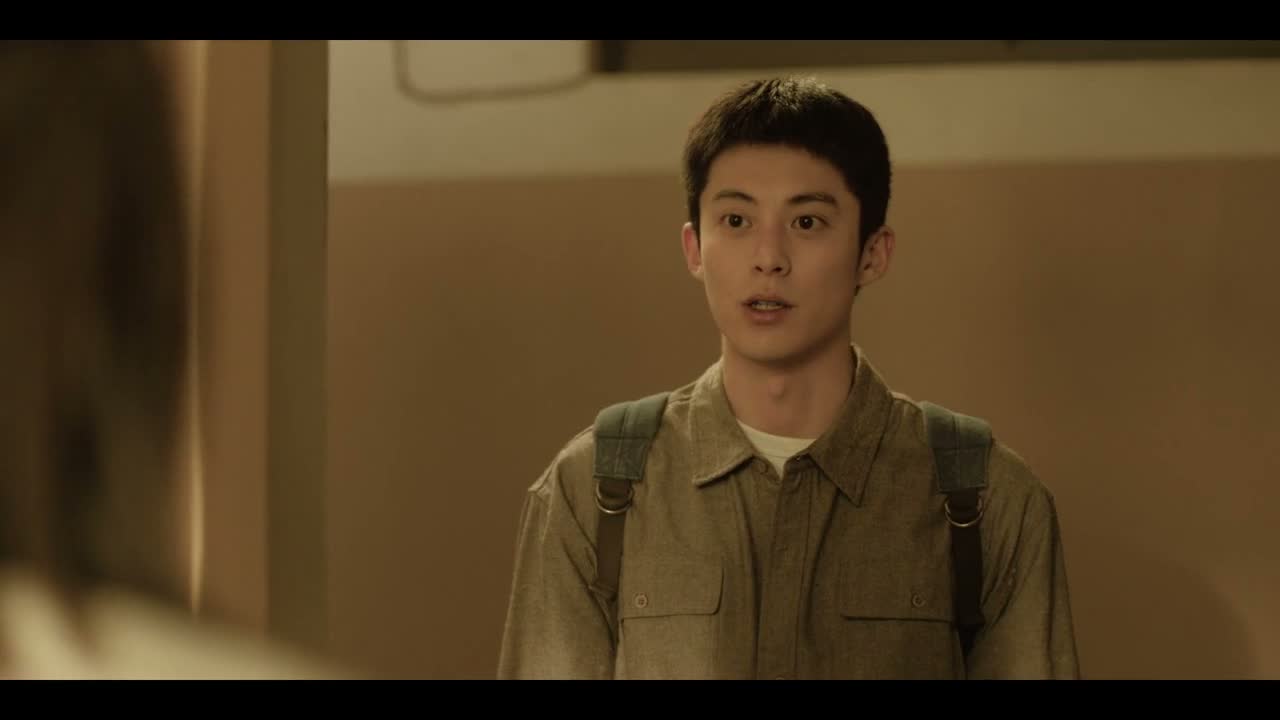
“Sorry to disturb you again.”
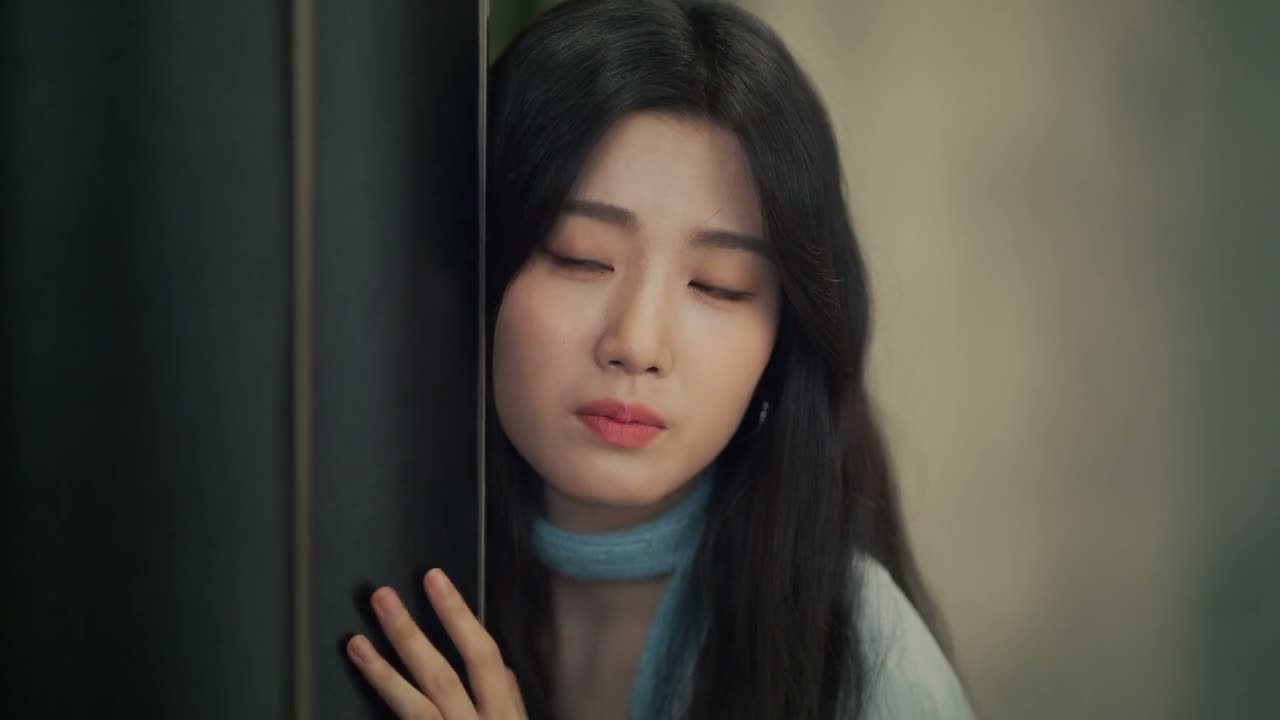
“Sorry. I'll be leaving soon.”
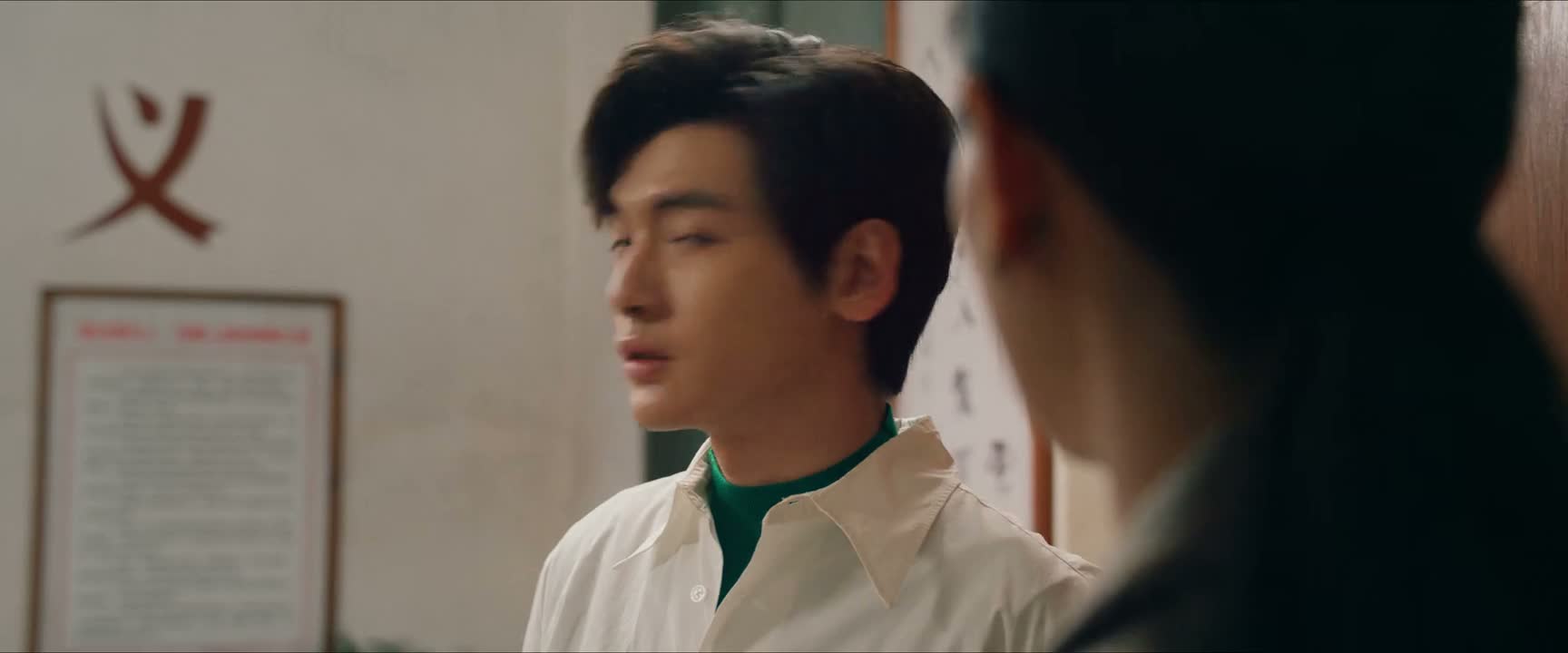
“Sorry, I'll just... It's fine.”
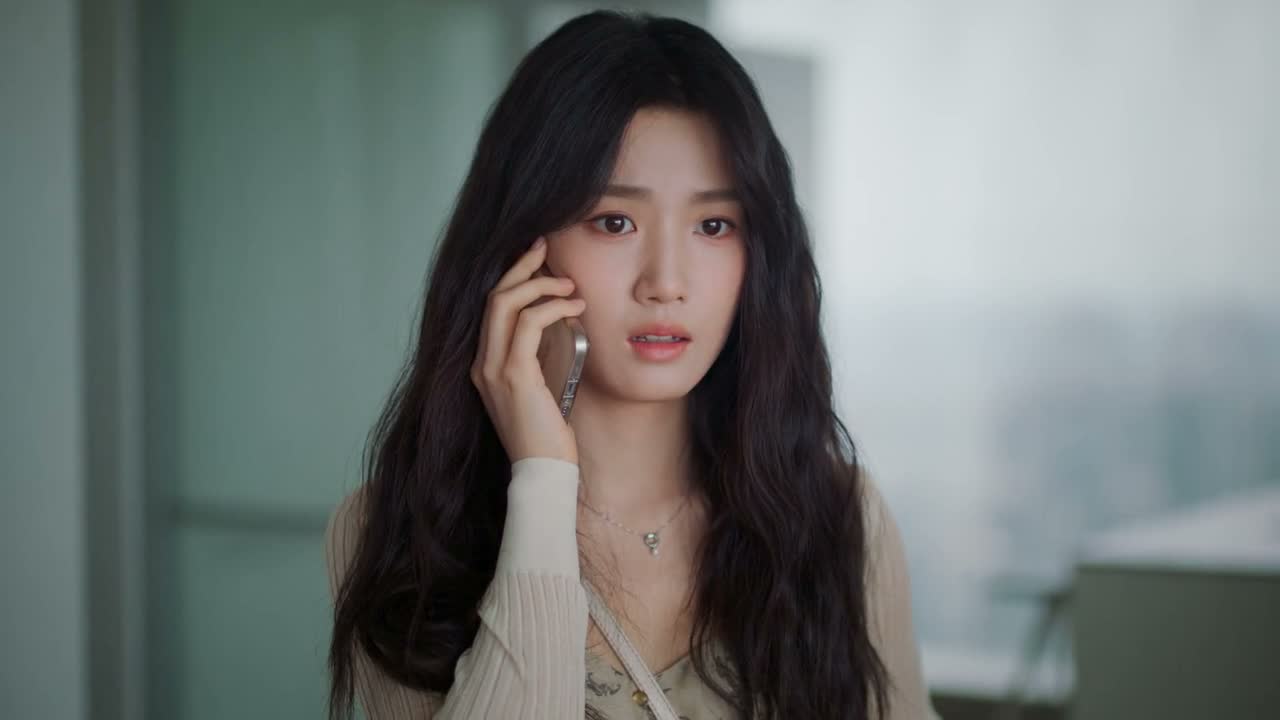
“Sorry. I'm really anxious,”

“Sorry, I got the wrong room.”
“I'm sorry to trouble you with that.”
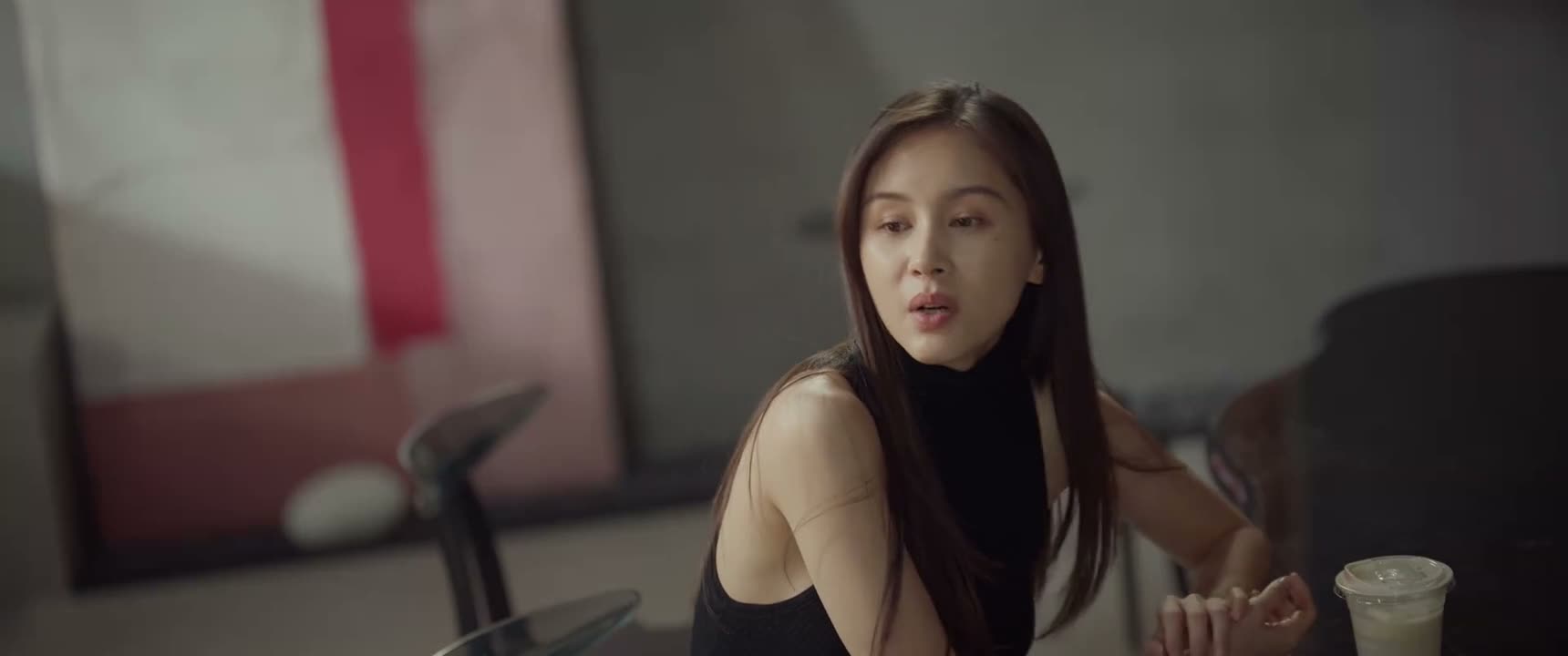
“Sorry, do I know you?”