不好意思啊 我一会儿就走
“Sorry. I'll be leaving soon.”
THE DIALOGUE REEL
我 我不用帮忙 谢谢
“I-I don't need help. Thank you.”
不好意思啊 我 一会儿就走
“Sorry. I'll be leaving soon.”
裴总
“Mr. Pei.”
“Please do not worry about me; I will be out of your way right away.”
In Chinese social interactions, actively stating that you will leave soon helps mitigate perceived imposition and preserves harmony.
LEARNING CHUNKS & PARTICLES
excuse me; sorry
A very common everyday apology or mild conversational softener in spoken Chinese.
leaving in a moment
Used to reassure someone that your presence will not disrupt them for long.
Softens the opening apology to sound more polite, approachable, and less abrupt.
VOCABULARY & EXPRESSIONS
Parallel Spoken Cinema Scenes (语义近邻切片)

“I'm sorry. I was just too busy this afternoon. Wait a moment here.”

“I'm so sorry. Could you please step out for a moment?”
“Sorry to keep you waiting.”
“Sorry, I was tied up just now.”
“Sorry, I'm in the middle of moving today,”

“I'm really sorry. That's just how my job is.”
“So sorry I'm late. Traffic was heavy.”
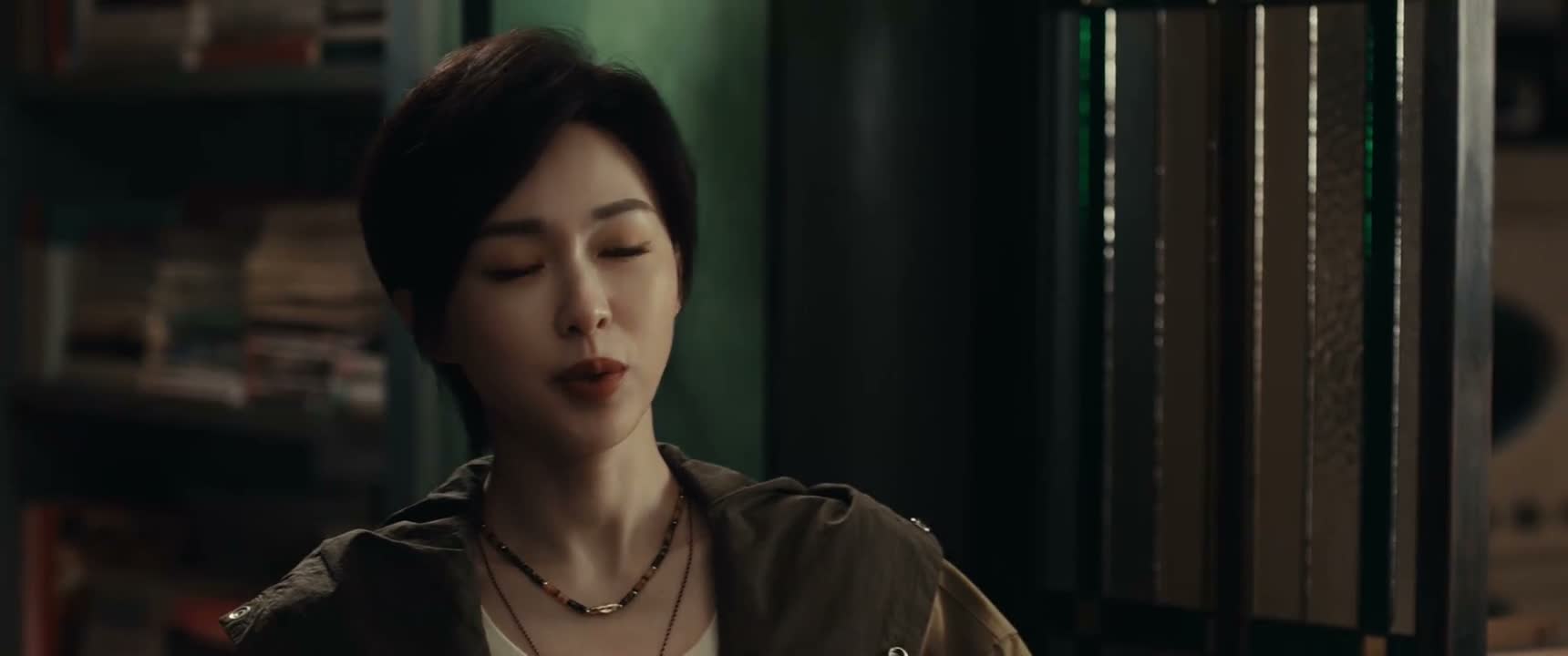
“I'm really sorry. I'm not quite sure what's going on either.”

“My apologies, I'm so sorry. I'll move it now. Hurry up and go.”

“I'm sorry. Is it too sudden?”

“Excuse me, let me through.”
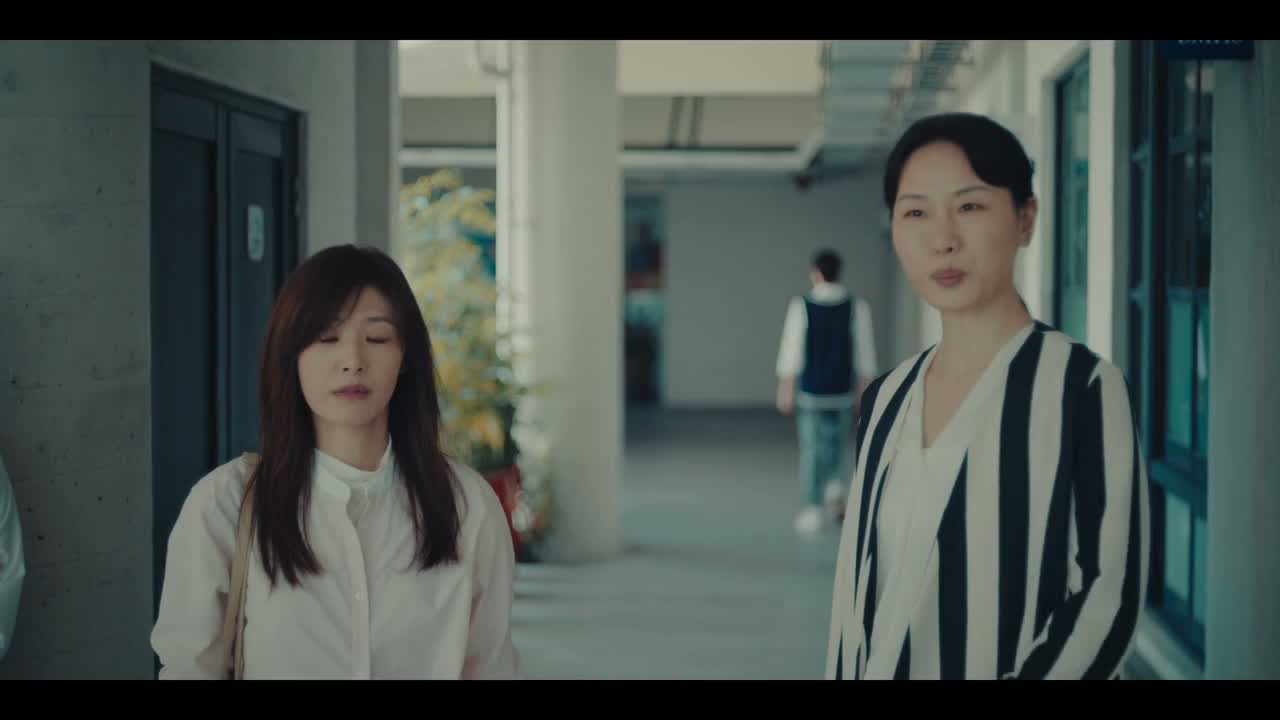
“Sorry to have you come all the way down here.”

“Excuse me. Need to take this.”

“Sorry, I couldn't come until this afternoon.”

“I'm sorry for coming to see you on such a short notice.”

“I'm sorry. Miss, let me handle it. I'm sorry.”

“Sorry, I'll just... It's fine.”

“Sorry. I'm really anxious,”

“Sorry, I got the wrong room.”

“- Sorry. - Watch where you're going. Didn't notice.”
“I'm sorry to trouble you with that.”

“Thanks. You go ahead with your business. I'm leaving.”