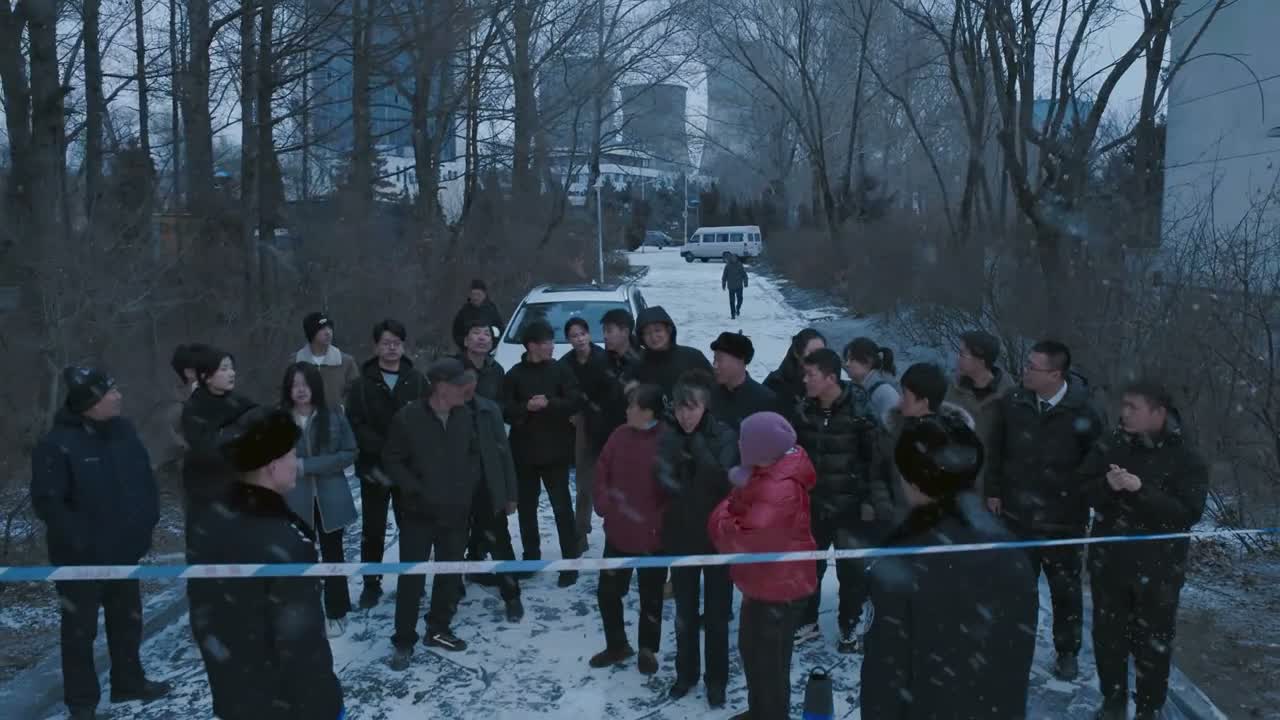
MC
MandarinClips Cinema Corpus
《Love Has Fireworks》 S1·E20 (14:30) HSK 4
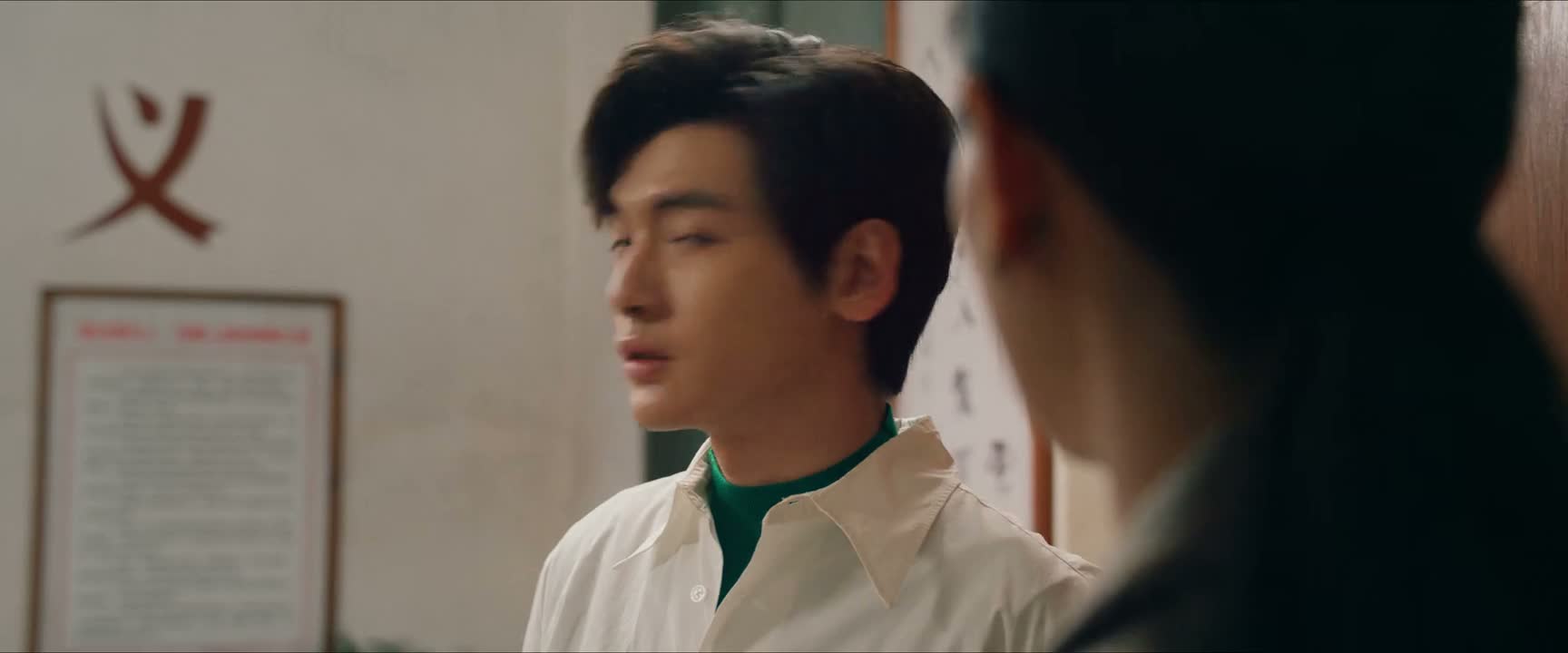
bù hǎo yì sī a má fán nǐ men xiān chū qù yī xià

不好意思啊 麻烦你们先出去一下

“I'm so sorry. Could you please step out for a moment?”

《Love Has Fireworks》 S1·E20
TIMECODE: 14:30 · 1080P MASTER AUDIO

THE DIALOGUE REEL

1+1+1 SPOKEN CONTINUITY
[-1] PREVIOUS TURN fāng zǒng jiān lǐ zǒng jiān

方总监 李总监

“Ms. Fang, Mr. Li,”

bù hǎo yì sī a má fán nǐ men xiān chū qù yī xià CURRENT FOCUS

不好意思啊 麻烦你们先出去 一下

“I'm so sorry. Could you please step out for a moment?”

[+1] FOLLOW-UP TURN qián fēi nǐ hěn yǒu shǒu duàn a ràng rén gěi nǐ pāi xià shì pín

钱菲 你很有手段啊 让人给你拍下视频

“Qian Fei, you've got quite some tactics, huh? You had someone film this video for you”

Subtitles synced to millisecond timecode Browse Show Clips →
Scene: Workplace
Function: REQUESTING EVICTION
Tone: POLITE_YET_FIRM
Emotion: SUPPRESSED_ANGER
WHAT THEY REALLY MEAN (PRAGMATIC SUBTEXT)
“Excuse me, but I need everyone else out of the room right now—we need to settle this in private.”
💡 Cultural Insight: Saving Face and Handling Matters Privately

Before a workplace conflict or confrontation escalates, Chinese professional culture typically emphasizes 'handling things behind closed doors'. Politely asking uninvolved third parties or senior colleagues to step out avoids public embarrassment, protects managerial dignity, and clears the way for stern private negotiations.

INTENT TAGS: #asking someone to leave #private confrontation #clearing the room #workplace maneuvering
🧩

LEARNING CHUNKS & PARTICLES

3 CHUNKS · 1 PARTICLES
不好意思 SPOKEN CHUNK

Excuse me / sorry; a polite preface used before making an inconvenient or intrusive request.

An extremely high-frequency polite marker in both daily life and business settings, used to soften blunt commands or requests.

麻烦你们 SPOKEN CHUNK

Could I trouble you / sorry to bother you.

A classic deferential phrase frequently used when delegating tasks or asking others for their cooperation.

先……一下 SPOKEN CHUNK

First / temporarily do something for a short moment.

Combining the adverb 'xian' (first) with the verbal measure word 'yixia' softens the imperative tone, making a dismissive request to leave sound much more polite and considerate.

Modal Particle「啊」 (a) CHANGE OF STATE

Placed after the opening apology 'bu hao yi si', it eases interpersonal tension, softening the tone and making the delivery feel warmer and less abrasive.

🏮

VOCABULARY & EXPRESSIONS

2 EXPR · 0 GRAMMAR
CROSS-CINEMA CORPUS BOARD · PARALLEL SCENES

Parallel Spoken Cinema Scenes (语义近邻切片)

EXPLORE BY SEMANTIC SIMILARITY
麻烦你们先回避一下 好 孙宇请留下
《夜色正浓》
92% Match
麻烦你们先回避一下 好 孙宇请留下
má fán nǐ men xiān huí bì yī xià hǎo sūn yǔ qǐng liú xià

“Please step out for a moment. Okay. Sun Yu, please stay.”

还是请你们先出去一下
《爱情没有神话》
90% Match
还是请你们先出去一下
hái shì qǐng nǐ men xiān chū qù yī xià

“Please wait outside first.”

不好意思啊 久等了
《蜜语纪》
86% Match
不好意思啊 久等了
bù hǎo yì sī a jiǔ děng le

“Sorry to keep you waiting.”

不好意思啊 大家不好意思啊 让一下
《隐身的名字》
86% Match
不好意思啊 大家不好意思啊 让一下
bù hǎo yì sī a dà jiā bù hǎo yì sī a ràng yī xià

“Excuse me. Coming through.”

不好意思啊 出了点意外
《生命树》
86% Match
不好意思啊 出了点意外
bù hǎo yì sī a chū le diǎn yì wài

“I'm sorry about this accident.”

不好意思啊 让一让
《轧戏》
86% Match
不好意思啊 让一让
bù hǎo yì sī a ràng yī ràng

“Excuse me, let me through.”

这我来吧 不好意思 你出去吧 没事儿 没事儿
《隐身的名字》
86% Match
这我来吧 不好意思 你出去吧 没事儿 没事儿
zhè wǒ lái ba bù hǎo yì sī nǐ chū qù ba méi shì ér méi shì ér

“I'll handle it. - Sorry. - Just go. It's okay.”
不好意思各位 打扰一下
《轧戏》
86% Match
不好意思各位 打扰一下
bù hǎo yì sī gè wèi dǎ rǎo yī xià

“Excuse me, everyone. Sorry to interrupt.”

不好意思啊 我一会儿就走
《轧戏》
86% Match
不好意思啊 我一会儿就走
bù hǎo yì sī a wǒ yī huì er jiù zǒu

“Sorry. I'll be leaving soon.”

不好意思啊 那我先 没事
《你好1983》
86% Match
不好意思啊 那我先 没事
bù hǎo yì sī a nà wǒ xiān méi shì

“Sorry, I'll just... It's fine.”

不好意思啊 我敲错门了
《灵魂摆渡·十年》
86% Match
不好意思啊 我敲错门了
bù hǎo yì sī a wǒ qiāo cuò mén le

“Sorry, I got the wrong room.”

《Love Has Fireworks》 S1·E20 (14:30) · Authentic Cinema Dialogue Corpus