这我来吧 不好意思 你出去吧 没事儿 没事儿
“I'll handle it. - Sorry. - Just go. It's okay.”
THE DIALOGUE REEL
没事儿
“It's fine.”
这我来吧 不好意思 你出去 吧 没事儿 没事儿
“I'll handle it. - Sorry. - Just go. It's okay.”
“You don't need to help here, just let me handle it privately.”
Chinese speakers often insist on handling chores themselves to avoid causing inconvenience to guests or acquaintances, framing their request with apologies and reassurances.
LEARNING CHUNKS & PARTICLES
let me do it
A common and polite phrase used to step in and take over a physical task, chore, or bill.
no problem / it's fine
Repeated to soothe someone or dismiss minor embarrassments and accidents.
Softens the imperative to step in and ask the other person to leave, making it sound cooperative rather than bossy.
VOCABULARY & EXPRESSIONS
Parallel Spoken Cinema Scenes (语义近邻切片)

“Sorry, hold on. Come here, do it like this.”

“You are... I came here in such a hurry. Sorry about that.”

“I'm so sorry. Could you please step out for a moment?”

“if he or she isn't mentally unhealthy.”
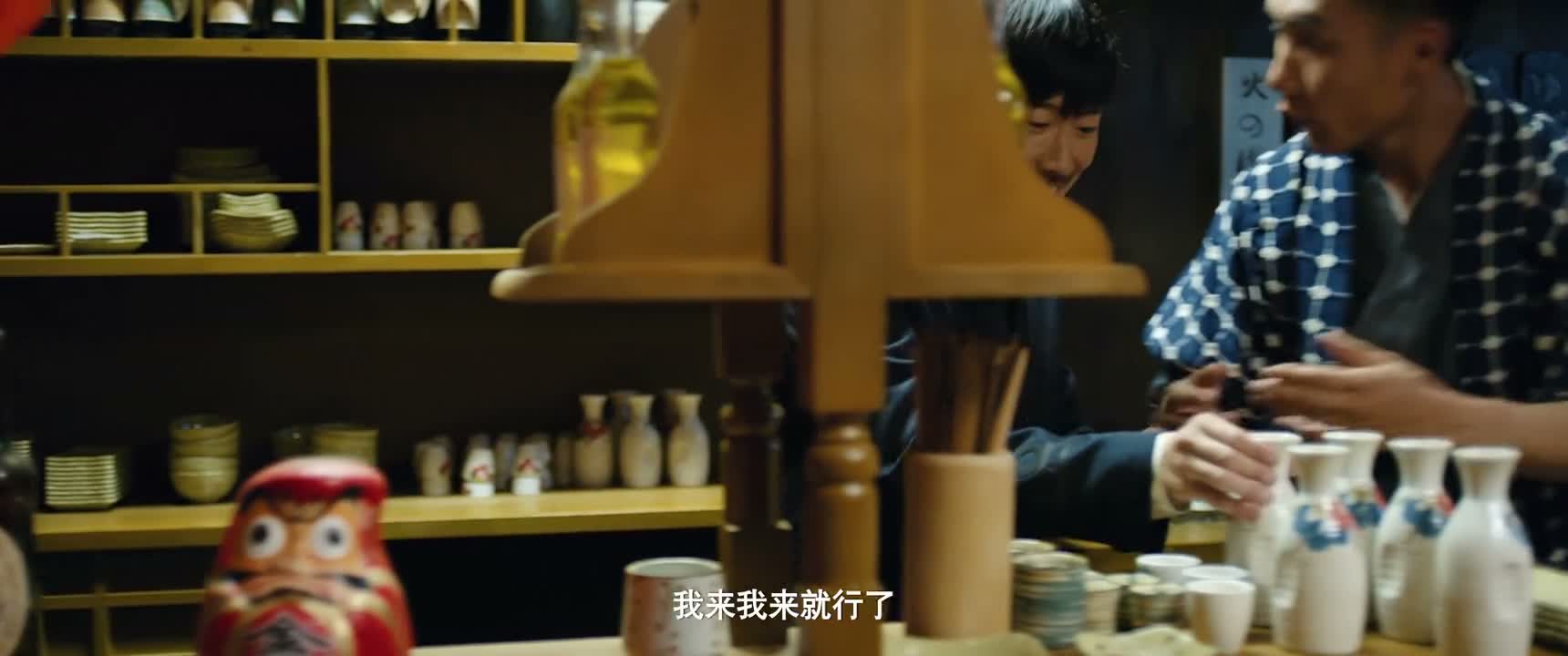
“I'll do it, I'll do it.”
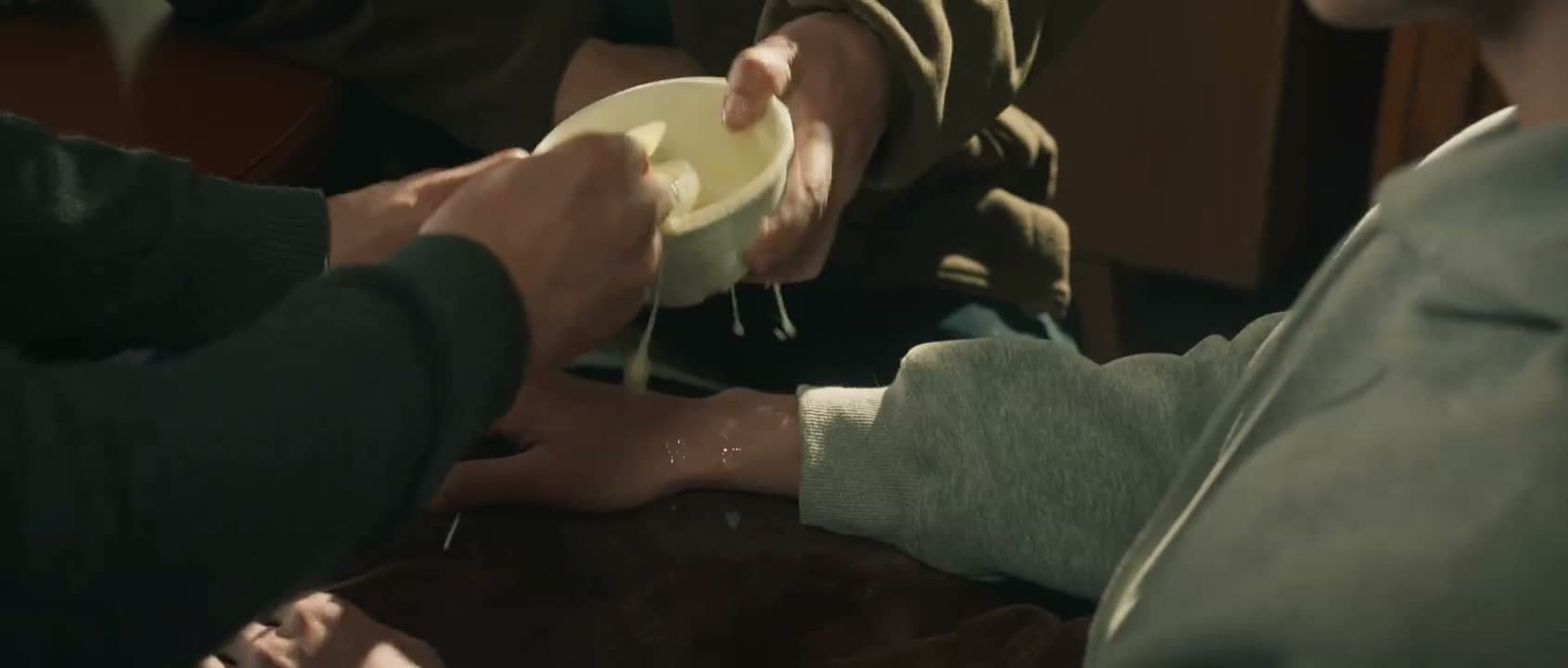
“Let me do it.”

“Let me. Let me handle it. Are you alright, miss? I'm fine.”

“- Go on, we've got him. - Okay.”