你 你这是 我来的时候太匆忙了 不好意思啊
“You are... I came here in such a hurry. Sorry about that.”
THE DIALOGUE REEL
方便 方便
“Of course.”
你 你这是 我来 的时候 太匆忙了 不好意思啊
“You are... I came here in such a hurry. Sorry about that.”
如果你方便的话 就抓紧时间帮我看一眼
“If it's convenient, could you please take a quick look?”
“Sorry for rushing in like this, but I really need you to do me a quick favor.”
Before asking for a favor or seeking help, Chinese speakers typically use apologies and pleasantries (such as 'lai de cong mang' [arriving in a rush] or 'bu hao yi si' [excuse me]) to show modesty and express regret for taking up the other person's time, thereby maintaining a polite social distance and preserving face for both parties.
LEARNING CHUNKS & PARTICLES
in too much of a rush; pressed for time
Commonly used in spoken Chinese as a polite excuse for being unprepared, visiting empty-handed, or arriving in a hurry.
excuse me; sorry; to feel embarrassed
A high-frequency social pleasantry used to apologize, acknowledge an imposition, or express modest gratitude.
Placed at the end of the sentence to soften the apology, lending warmth and sincerity to the polite pleasantry.
VOCABULARY & EXPRESSIONS
Parallel Spoken Cinema Scenes (语义近邻切片)

“What took you so long? She is going to miss her flight. I'm sorry.”

“I-I'm sorry. I didn't know you were here.”

“You... -I'm sorry. -It's OK.”

“I was too aggressive today. I'm sorry.”

“I'll handle it. - Sorry. - Just go. It's okay.”

“Sorry, sorry. You're late again.”
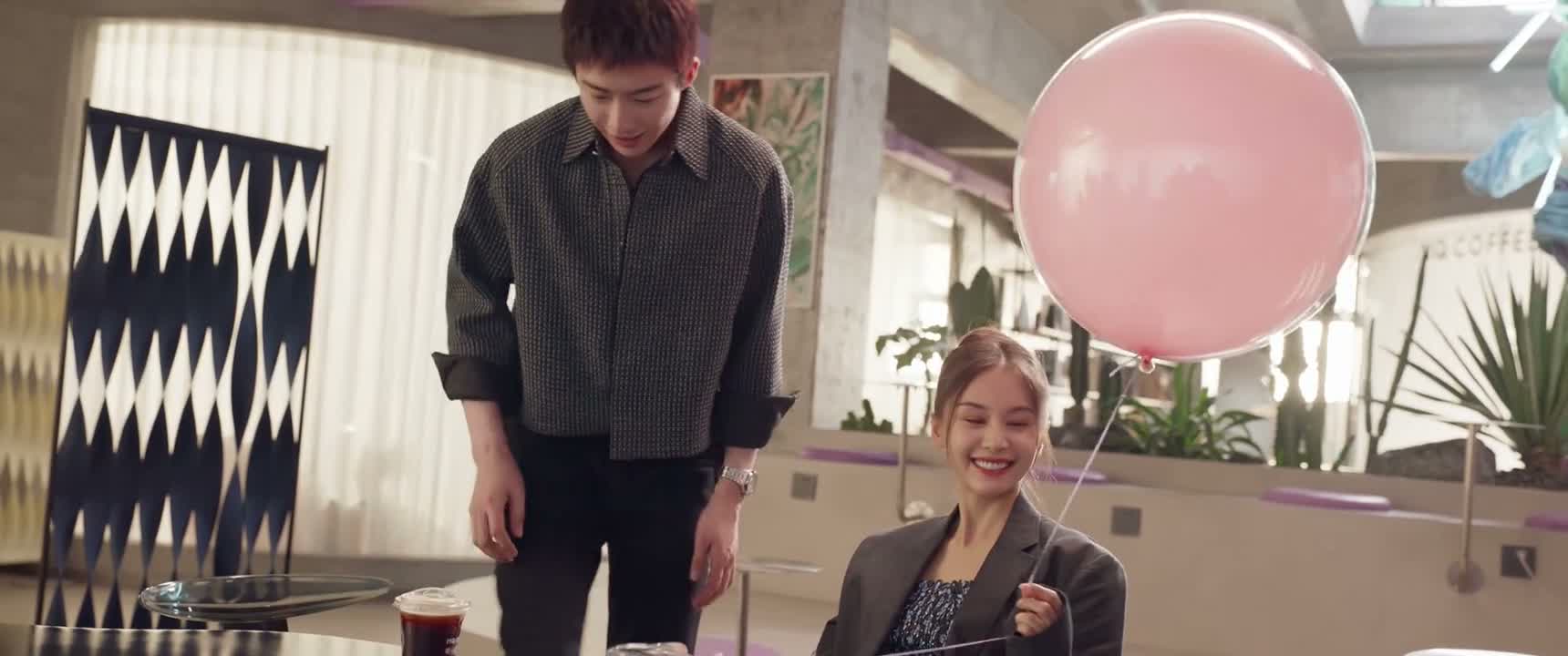
“Sorry, I'm a bit late.”