不好意思啊 出了点意外
“I'm sorry about this accident.”
THE DIALOGUE REEL
领导
“Sir,”
不好意思啊 出了点意外
“I'm sorry about this accident.”
没事
“It's fine.”
Direct spoken expression in this communicative setting.
When addressing a superior ('领导'), subordinates typically apologize immediately and attribute mishaps to external, unexpected circumstances ('意外') to mitigate personal blame.
LEARNING CHUNKS & PARTICLES
sorry; excuse me
A versatile, everyday phrase used to express mild apologies, excuse oneself, or soften a request.
something unexpected came up; an accident occurred
A common, face-saving euphemism used when offering a vague explanation for a mistake, delay, or hiccup.
Softens the apology to make it sound warmer, more polite, and less abruptly formal.
VOCABULARY & EXPRESSIONS
Parallel Spoken Cinema Scenes (语义近邻切片)

“Sorry. I mistook you for someone else. Apologies.”

“I'm so sorry. Could you please step out for a moment?”
“Sorry to keep you waiting.”
“Sorry, I was tied up just now.”

“Sorry. What brings you here? Sorry about that.”

“Sorry, it's an occupational hazard.”

“Sorry, Wanzhi. I actually didn't have time to get one.”

“Sorry. I made a mistake.”

“I'm really sorry. That's just how my job is.”

“I'm sorry for causing you trouble yesterday.”

“Excuse me. Coming through.”
“Sorry about that. Sorry for the trouble. Thank you.”
“Excuse me. Watch out.”
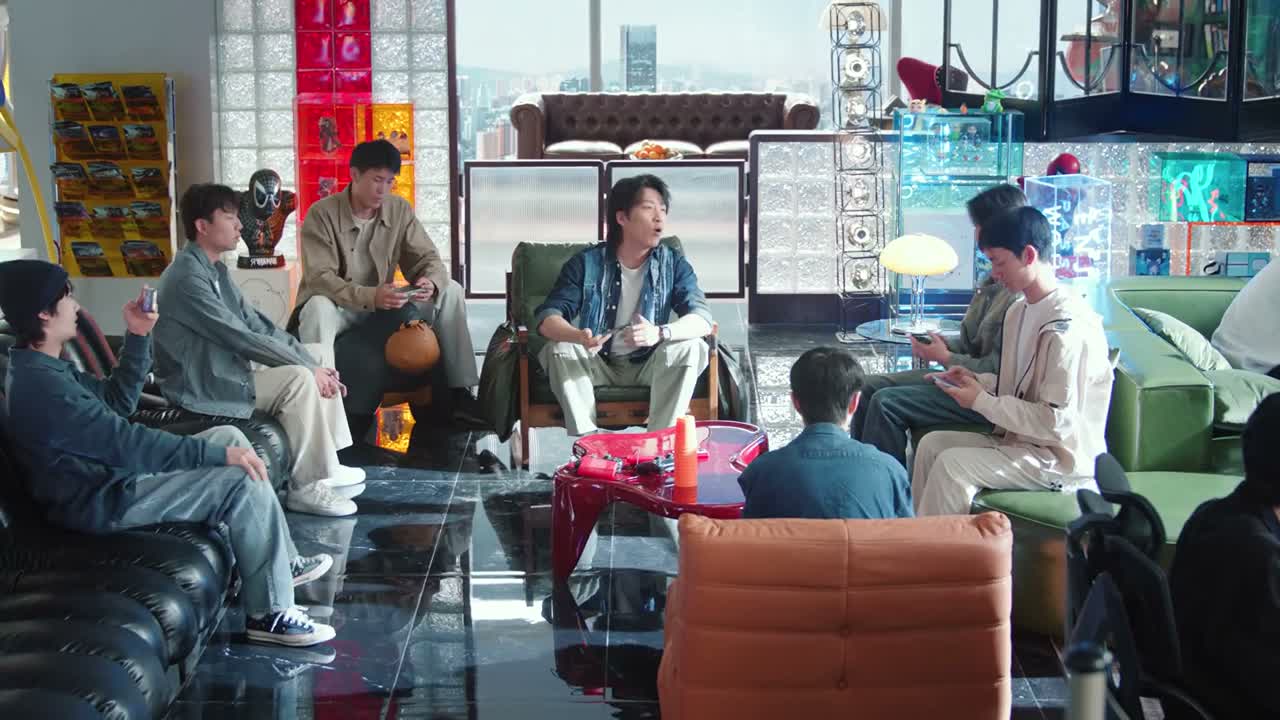
“Sorry. I'm a noob, sorry. Start again.”
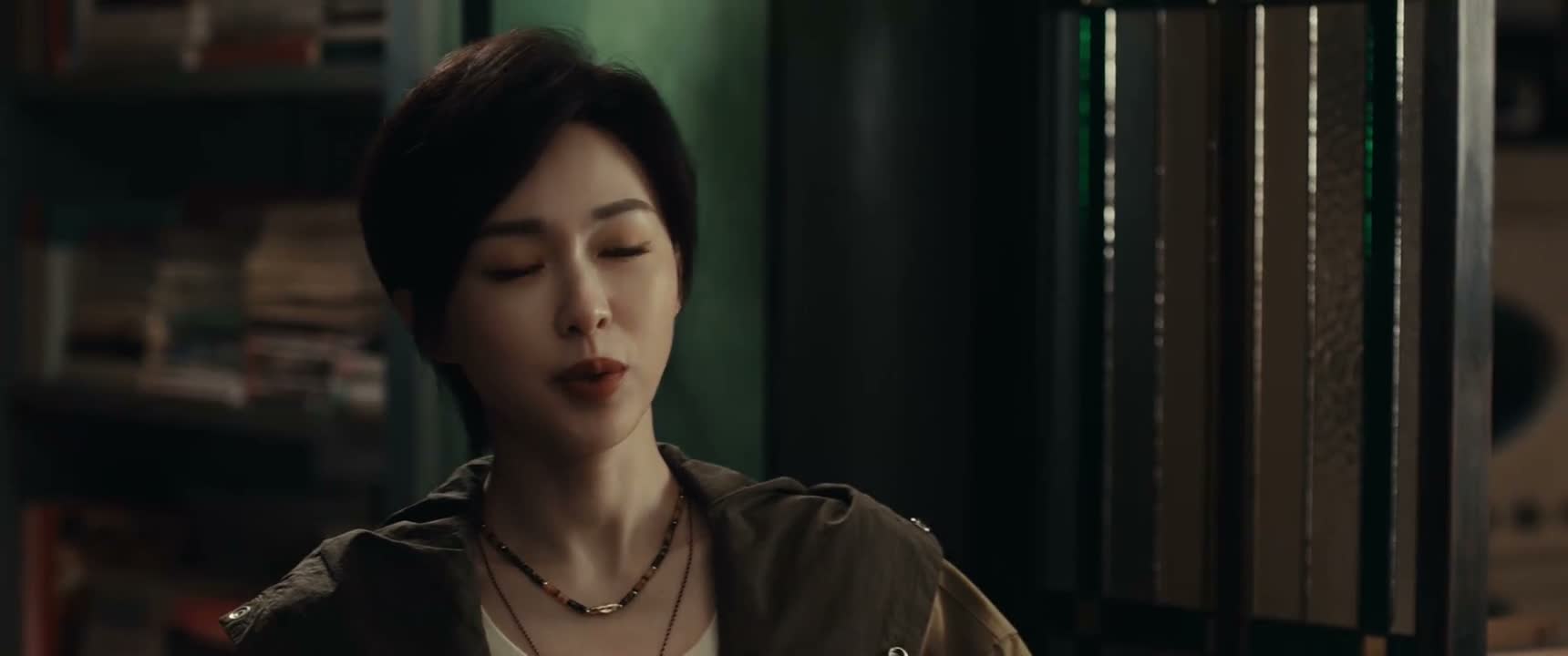
“I'm really sorry. I'm not quite sure what's going on either.”

“I'm sorry. She's old.”

“I'm sorry. Is it too sudden?”

“Excuse me, let me through.”

“I'm sorry. My son is spoiled. Thank you.”
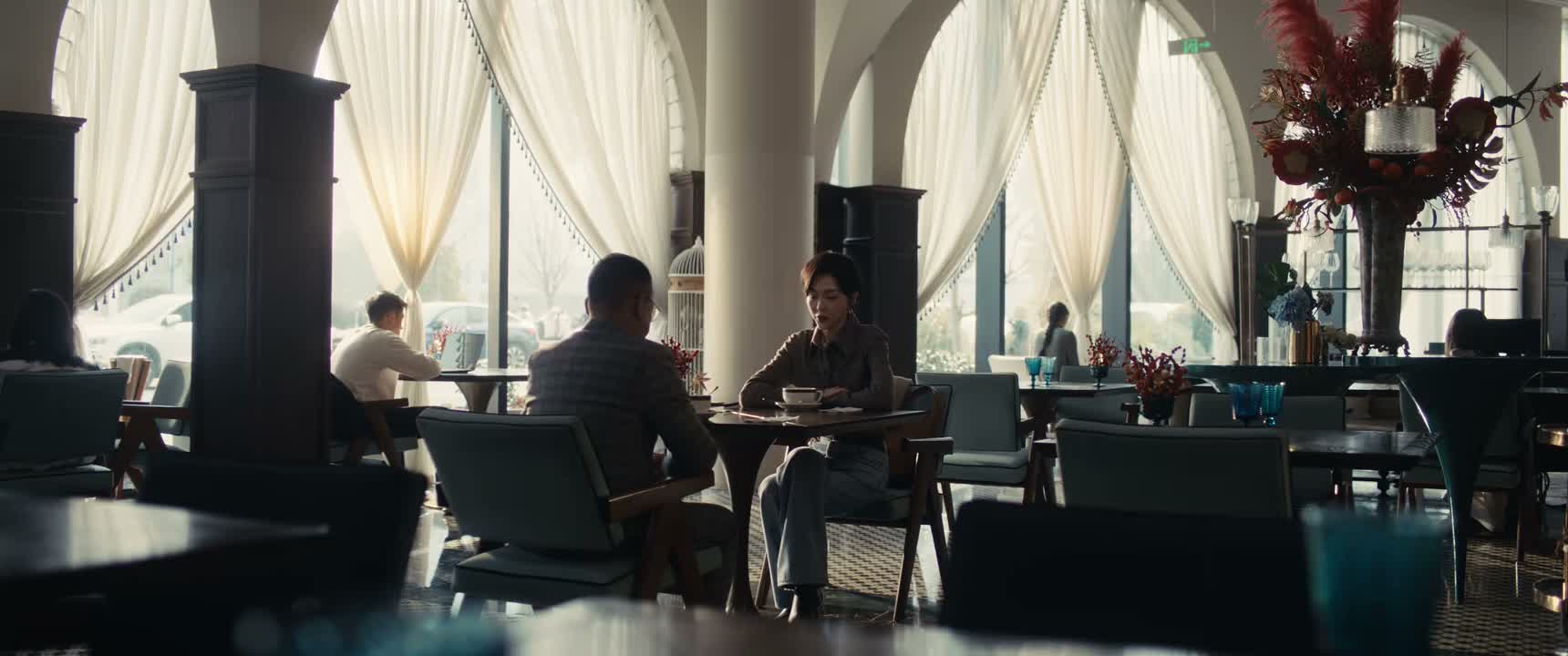
“Sorry, I couldn't come until this afternoon.”

“I'm sorry for coming to see you on such a short notice.”

“Sorry to disturb you again.”

“I'm sorry. We're renovating.”

“Sorry, I'll just... It's fine.”

“Sorry. I'm really anxious,”

“Sorry, I got the wrong room.”
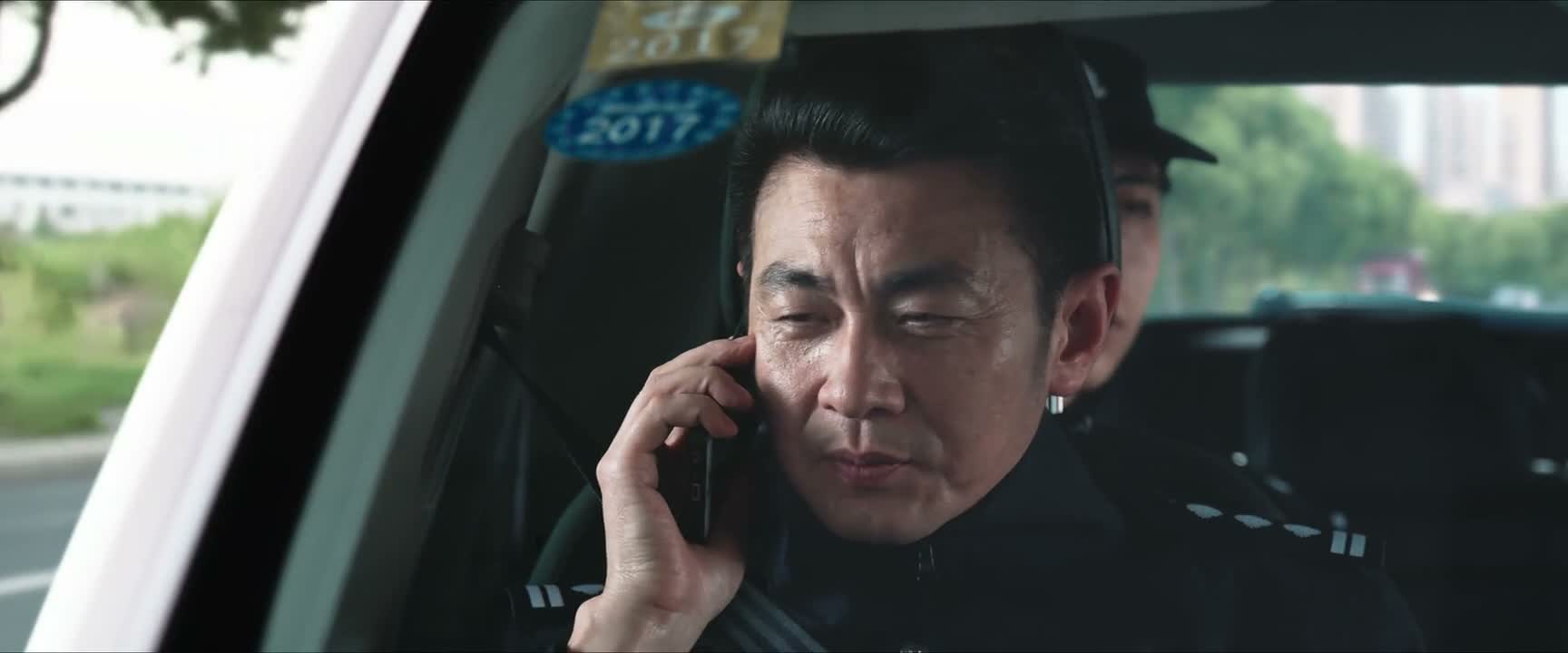
“I'm sorry, but my wife hasn't been feeling well recently,”
“I'm sorry to trouble you with that.”
“Sorry, do I know you?”