不好意思啊 姐 我还真没来得及准备
“Sorry, Wanzhi. I actually didn't have time to get one.”
THE DIALOGUE REEL
拿出来吧
“Let's see it then.”
不好意思啊 姐 我 还真 没来得及 准备
“Sorry, Wanzhi. I actually didn't have time to get one.”
过两天补上
“I'll make it up to you.”
“Don't put me on the spot; I honestly don't have it right now, but I'll make it up to you.”
Addressing a slightly older female colleague or acquaintance as 'Jie' establishes informal rapport and cushions awkward social requests or failures.
LEARNING CHUNKS & PARTICLES
excuse me / I am sorry
The most versatile everyday apology used for minor inconveniences or social awkwardness.
there is still time to do something
Frequently negated as '没来得及' to indicate failing to do something due to lack of time.
Softens the directness of the apology and conveys warmth and familiarity.
VOCABULARY & EXPRESSIONS
Parallel Spoken Cinema Scenes (语义近邻切片)

“Sorry. I hope I'm not late.”

“Sorry. We haven't seen this place so lively for a while.”
“Sorry to keep you waiting.”
“Sorry, I was tied up just now.”

“Sorry. What brings you here? Sorry about that.”
“Sorry about this. You just wait. What?”
“So sorry I'm late. Traffic was heavy.”
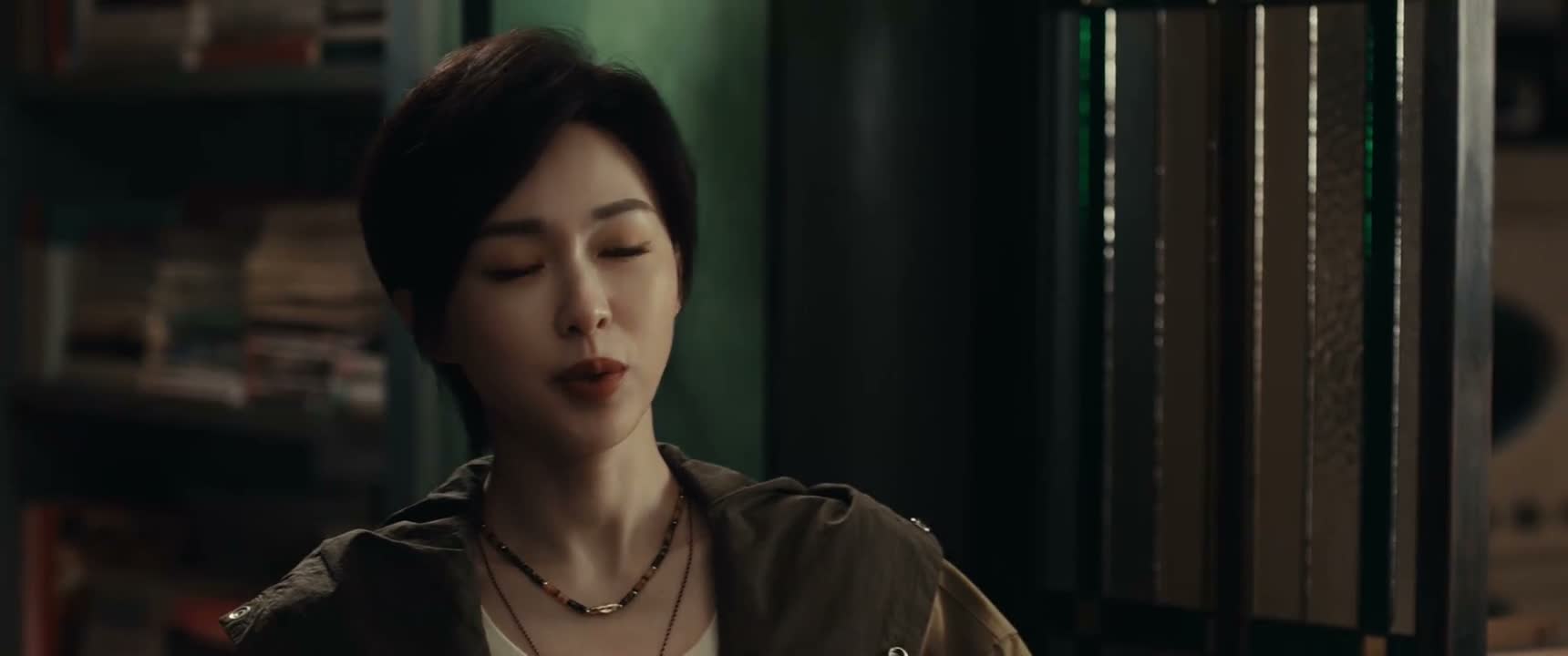
“I'm really sorry. I'm not quite sure what's going on either.”

“I'm sorry about this accident.”

“I'm sorry. Is it too sudden?”

“Sorry about that. Both my parents are teachers, so they tend to talk a lot.”

“I'm sorry. My son is spoiled. Thank you.”

“Sorry to disturb you again.”

“I'm sorry. Miss, let me handle it. I'm sorry.”

“I'm sorry. We're renovating.”

“Sorry, I'll just... It's fine.”

“Sorry. I'm really anxious,”

“Sorry about that. I'll drink this up out of respect.”
“I'm sorry to trouble you with that.”
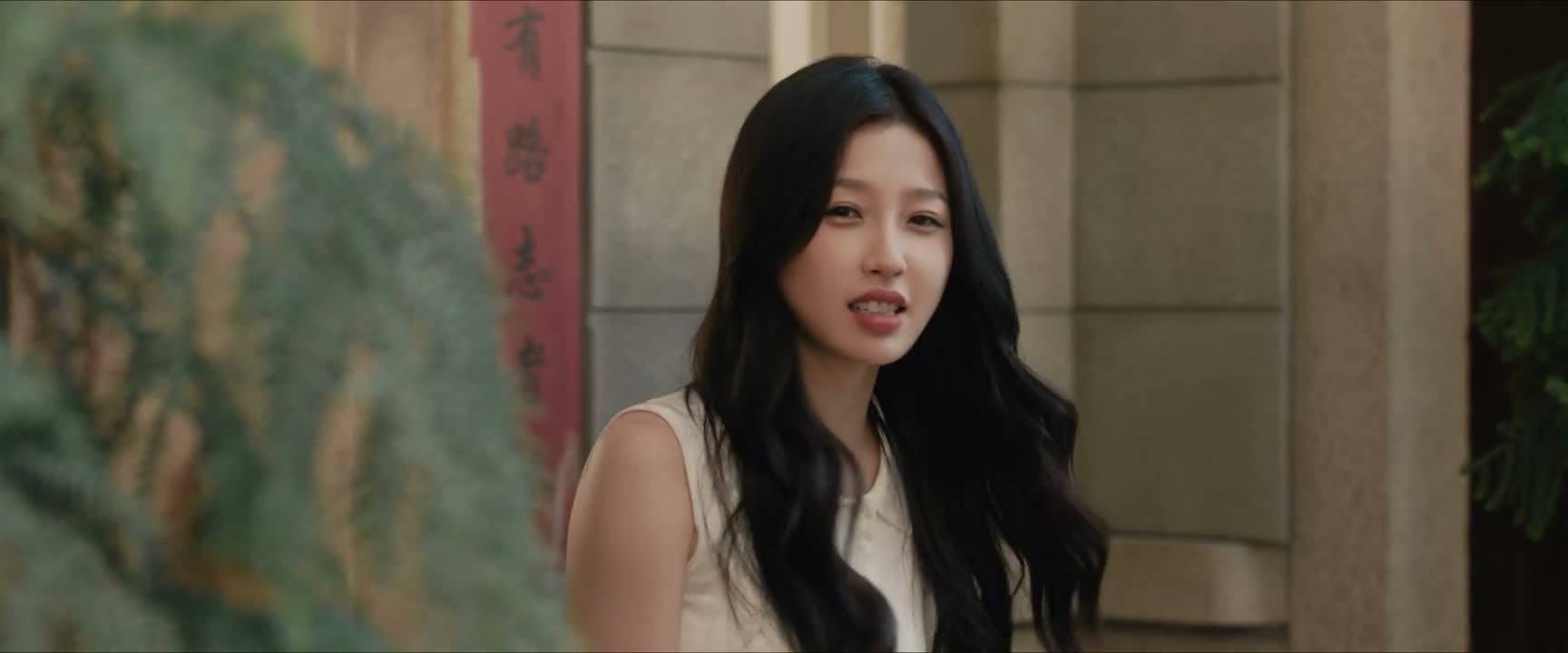
“I'm sorry. I got up too early this morning and couldn't help you out.”