不好意思啊 我迟到了 路上有点堵
“So sorry I'm late. Traffic was heavy.”
THE DIALOGUE REEL
沈总
“Mr. Shen.”
不好意思啊 我 迟到了 路上有点堵
“So sorry I'm late. Traffic was heavy.”
没关系
“It's fine.”
Direct spoken expression in this communicative setting.
Citing traffic jams ('路上有点堵') provides an external, neutral justification that preserves face (mianzi) for both parties without appearing irresponsible.
LEARNING CHUNKS & PARTICLES
sorry / excuse me
A highly versatile, polite social apology suitable for minor faults like being late or disturbing someone.
traffic was a bit heavy on the way
The universal and socially acceptable excuse in modern urban China for arriving late.
Softens the opening apology, making the delivery sound more warm, sincere, and approachable.
Marks the change of state indicating the fact of being late has already occurred.
VOCABULARY & EXPRESSIONS
Parallel Spoken Cinema Scenes (语义近邻切片)

“Sorry. I hope I'm not late.”
“Sorry to keep you waiting.”
“Sorry, I was tied up just now.”

“Sorry. What brings you here? Sorry about that.”

“Sorry, Wanzhi. I actually didn't have time to get one.”
“Sorry about this. You just wait. What?”
“Sorry, I'm in the middle of moving today,”
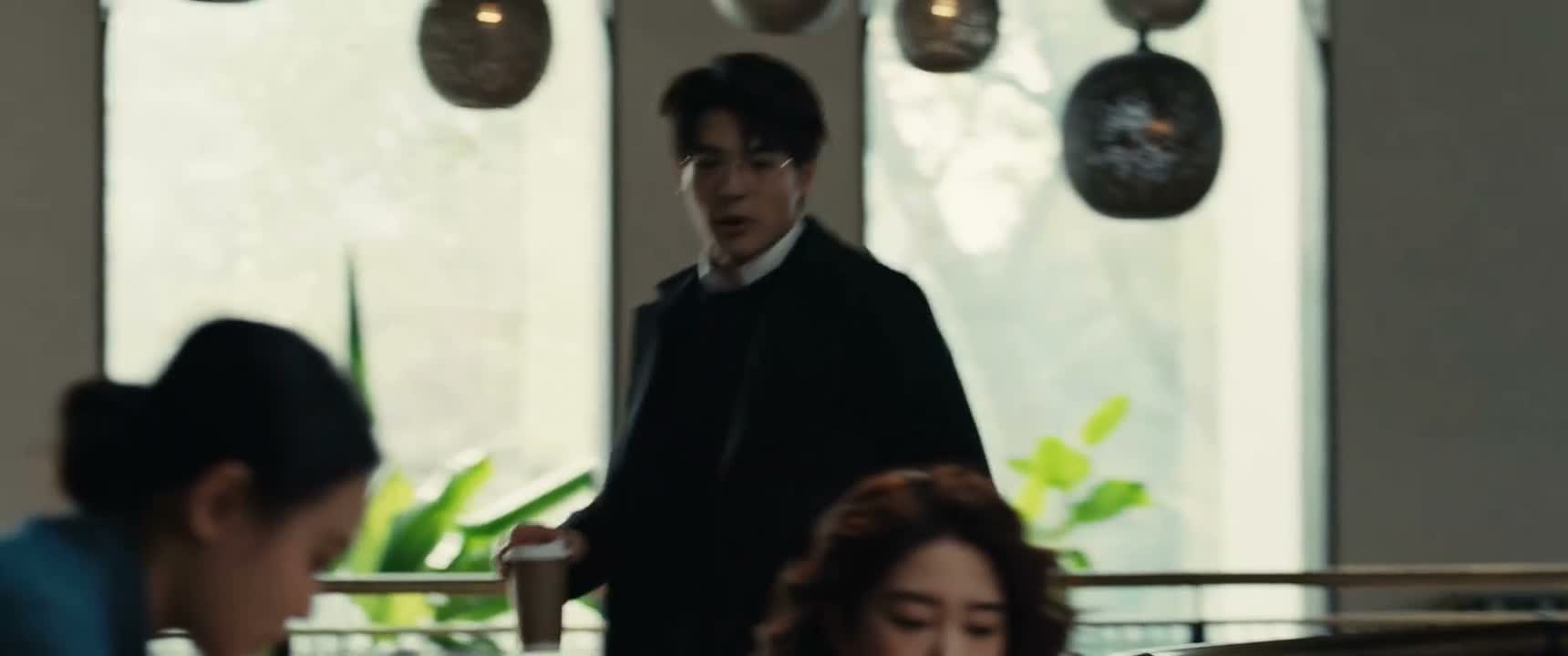
“Sorry, I'm so late.”

“Mr. Shen, sorry I'm late.”
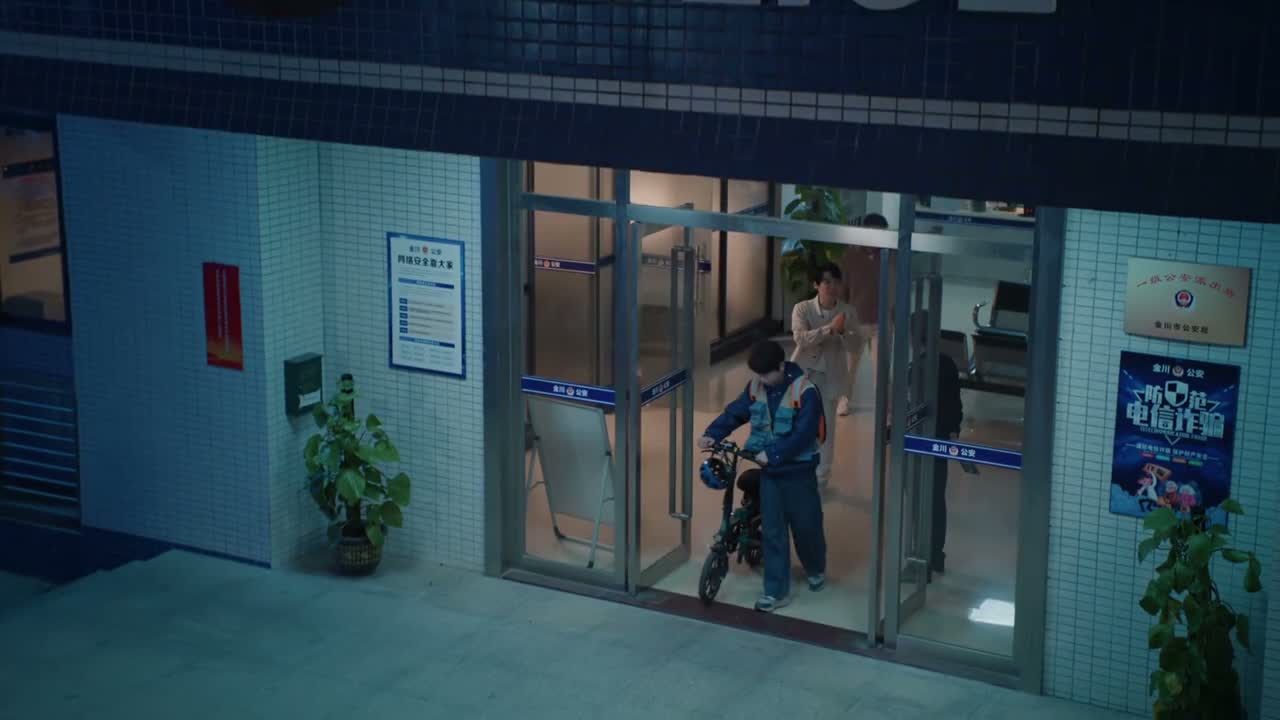
“Sorry about that. Sorry for the trouble. Thank you.”

“I'm sorry. Is it too sudden?”

“Sorry, sorry. You're late again.”
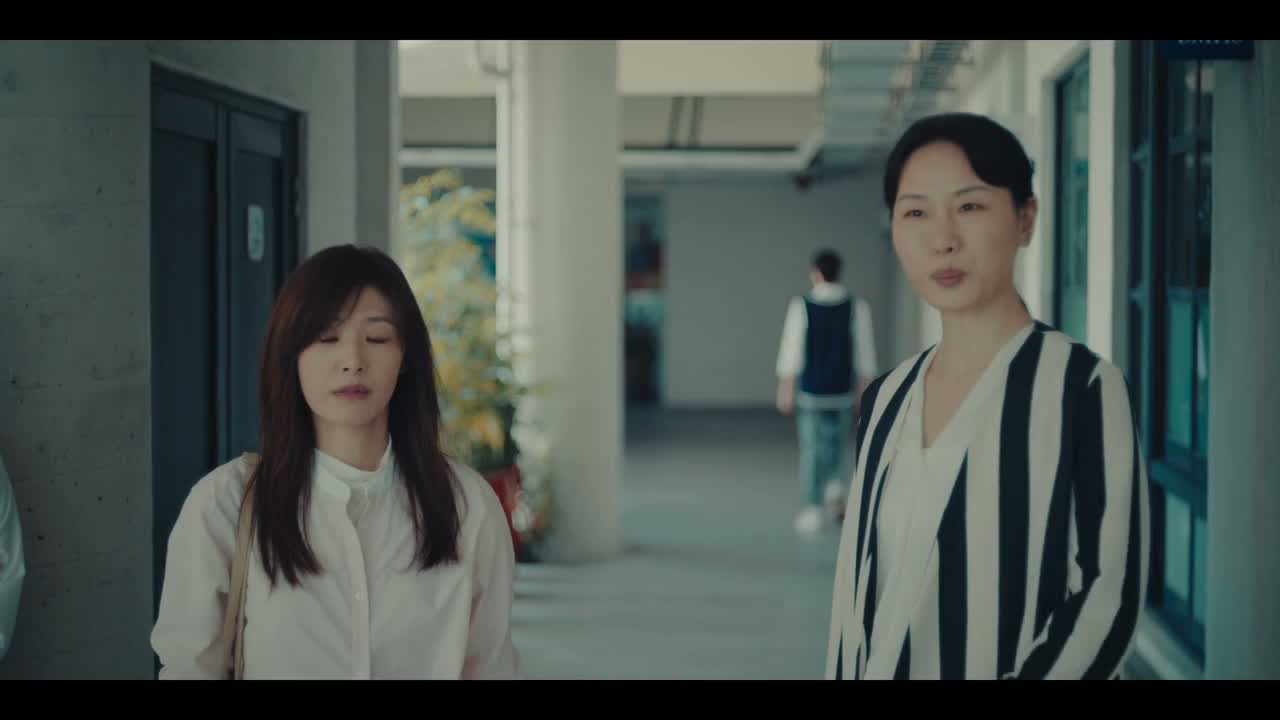
“Sorry to have you come all the way down here.”
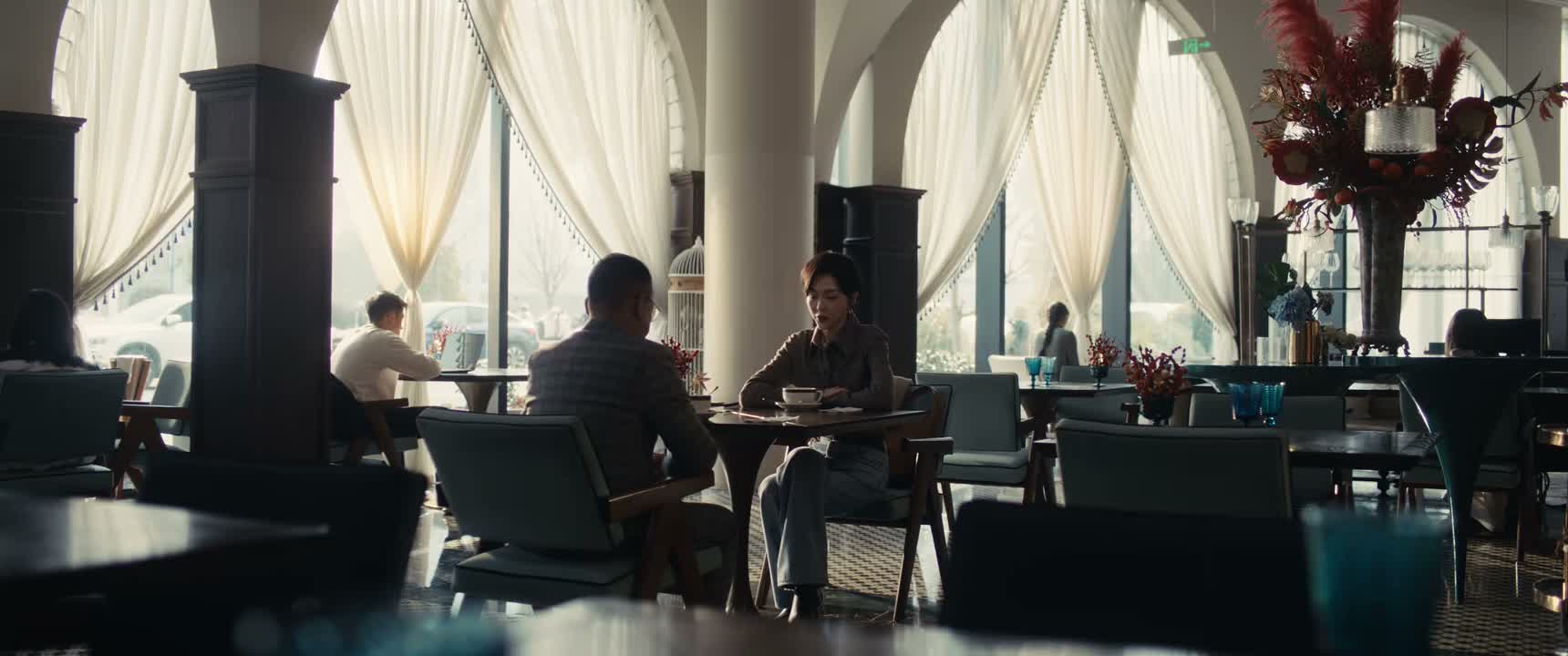
“Sorry, I couldn't come until this afternoon.”

“I'm sorry for coming to see you on such a short notice.”

“Sorry. I'll be leaving soon.”

“Sorry, I'm late.”

“Sorry for keeping you waiting today. We were two hours late.”

“Sorry. I'm really anxious,”

“Sorry, I got the wrong room.”

“I'm sorry. I was just too busy this afternoon. Wait a moment here.”