不好意思 我来晚了
“Sorry, I'm late.”
THE DIALOGUE REEL
廖副总和廖总年轻的时候 一样地拼
“Ms. Liao is just as driven as Mr. Liao was in his youth.”
不好意思 我来晚了
“Sorry, I'm late.”
“Ms. Liao, it's great you could make time to come.”
Direct spoken expression in this communicative setting.
Apologizing promptly upon late arrival establishes humility and respect for the attendees' time before resuming formal business.
LEARNING CHUNKS & PARTICLES
excuse me; I'm sorry
The standard and most versatile social lubricant for minor inconveniences or tardiness.
arrived late
A natural everyday phrase to announce tardiness when arriving at a meeting or gathering.
Indicates a newly realized state, underscoring the factual occurrence of tardiness.
VOCABULARY & EXPRESSIONS
Parallel Spoken Cinema Scenes (语义近邻切片)

“I'm late. -Please. -Thank you for waiting.”

“I'm sorry, I got caught up in something.”

“Sorry, I'm late. I got caught in traffic.”

“Excuse me. You're late. There are no choices left.”

“Sorry, I'm late. I'll punish myself with a drink.”

“I'm sorry I came home late again.”

“Sorry I'm late. Sorry, I didn't hear you.”

“Sorry. I hope I'm not late.”
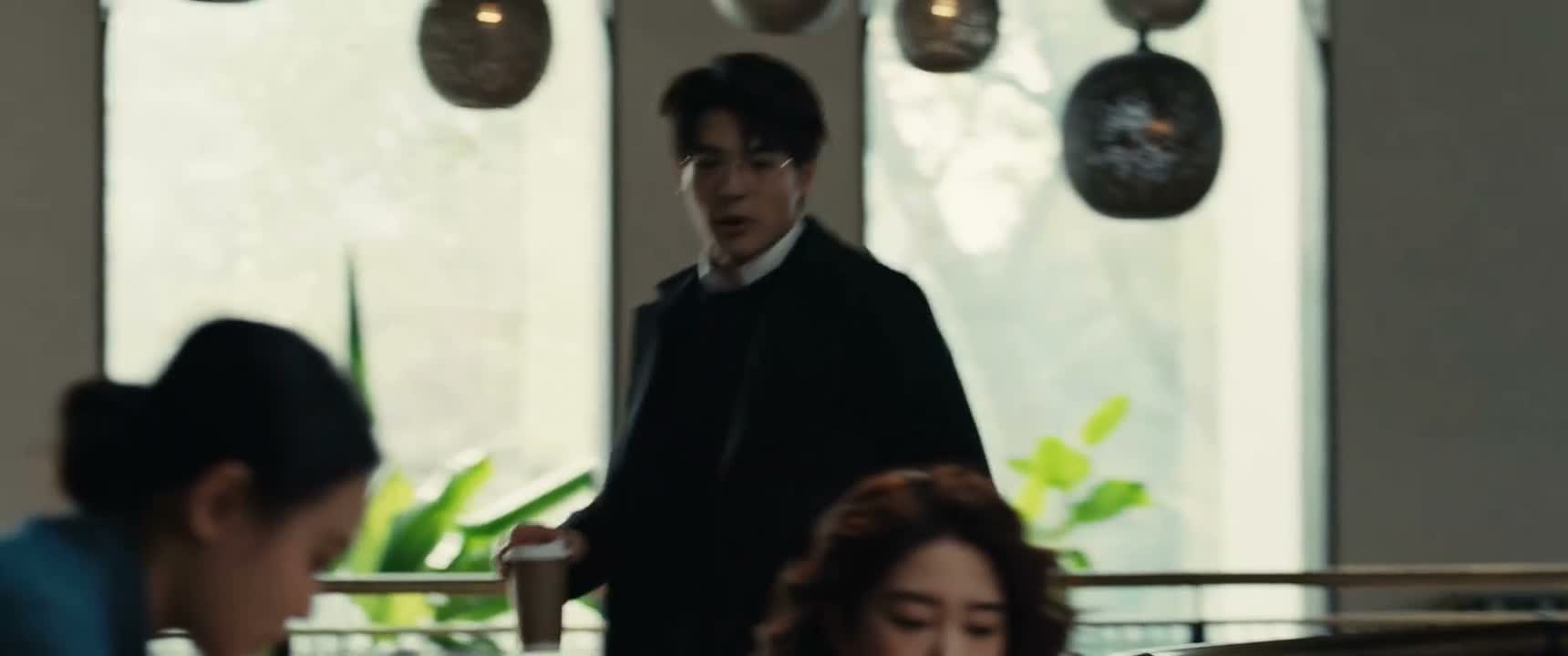
“Sorry, I'm so late.”
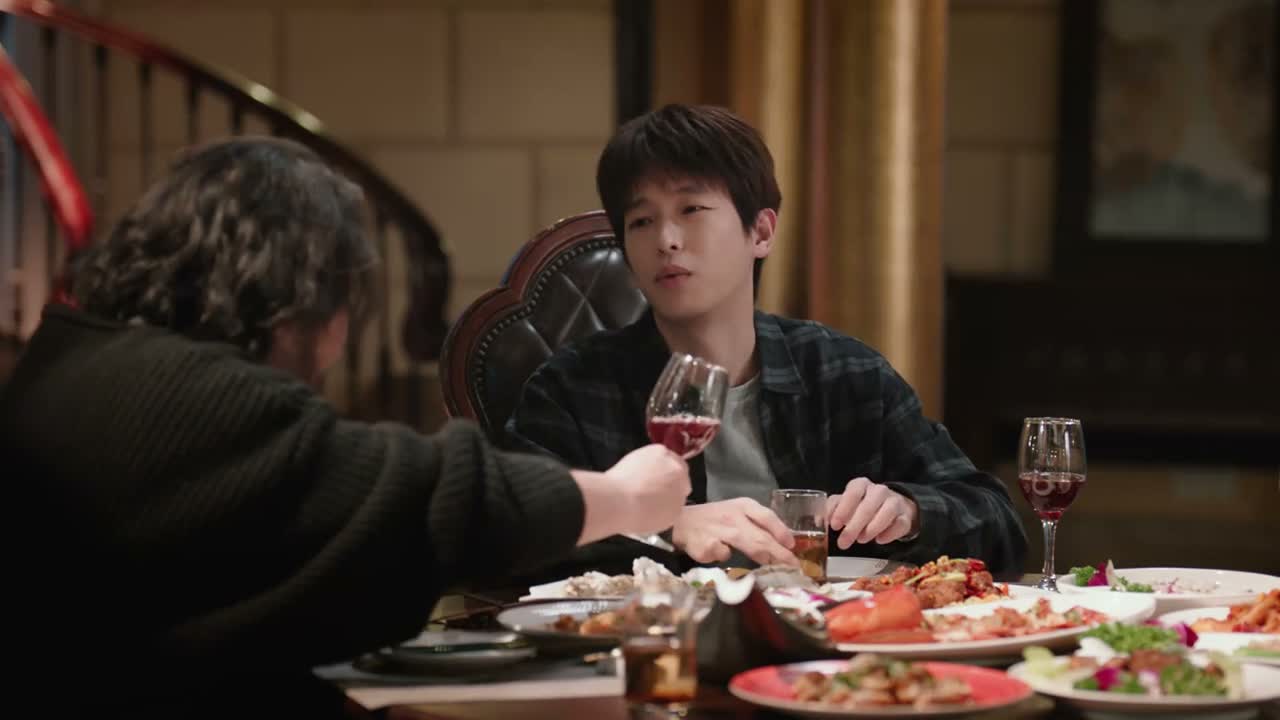
“Sorry, I still have work later. If I drink alcohol, that'd be illegal.”
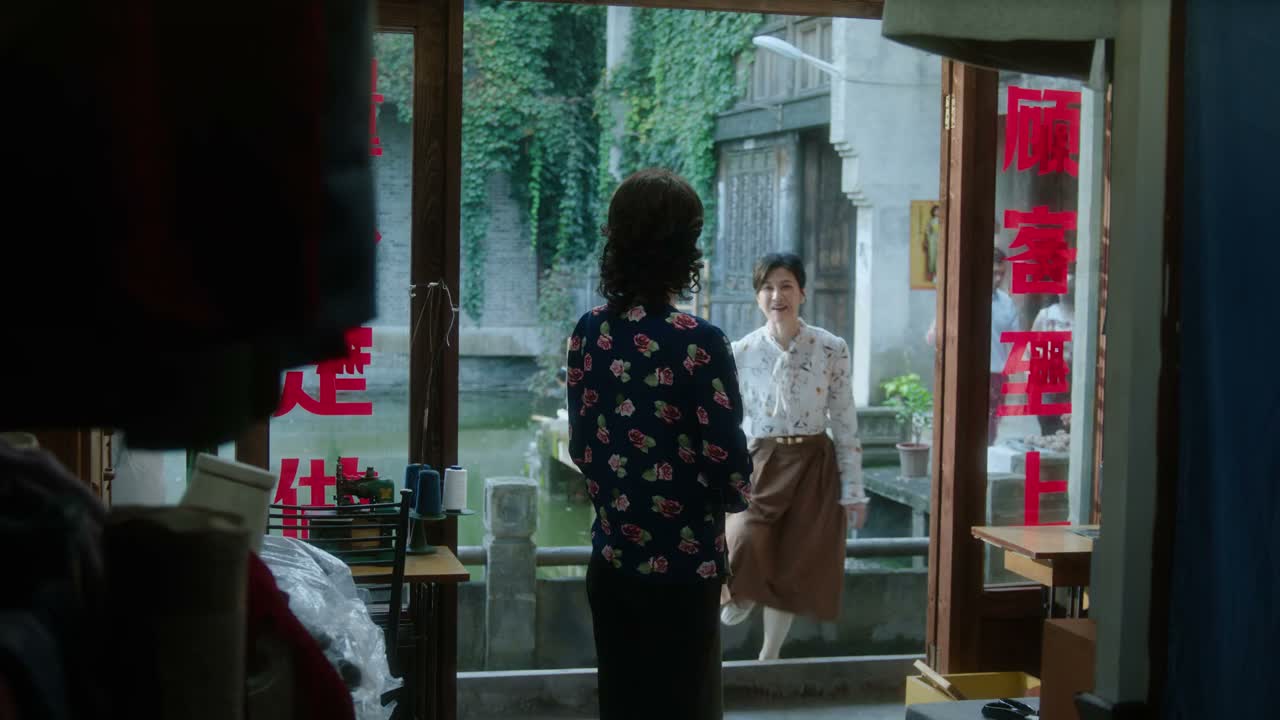
“Sorry to keep you waiting.”
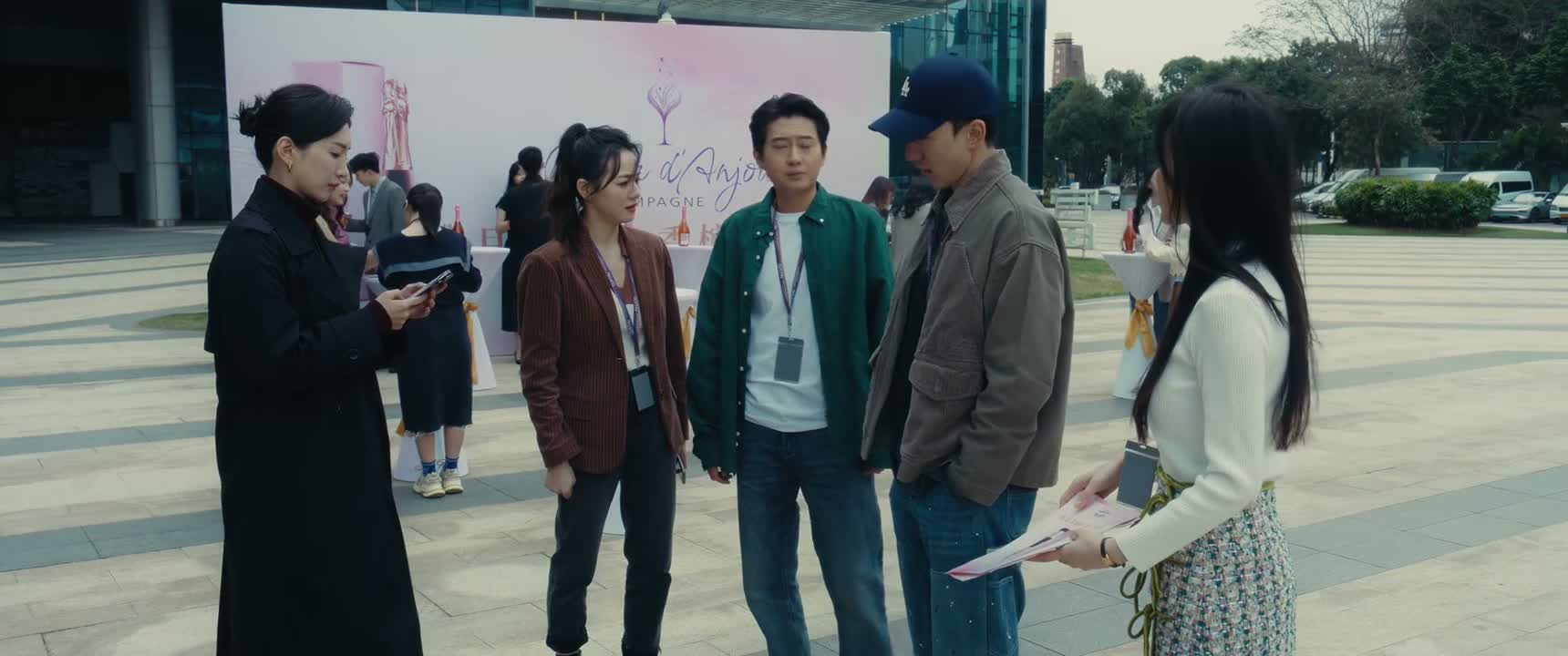
“Well, sorry about that. I take back what I said.”

“Sorry, I didn't order any alcohol.”
“So sorry I'm late. Traffic was heavy.”
“[Next Episode] Sorry, I'm the president.”
“Sorry, I understand how you feel.”
“Sorry, we're closed for the day.”
“Excuse me. [chuckles] I didn't mean to keep you.”

“Xiu. Auntie. Sorry I'm late.”

“Sorry, I'm just trying to make a point.”

“Sorry. I'm not feeling very well today.”
“Sorry, I'm rushing a draft. I don't have time to chat.”

“Sorry, but I'd like to interrupt.”
“Sorry, I'm a bit late.”