不好意思 我无意要耽误你的时间
“Excuse me. [chuckles] I didn't mean to keep you.”
THE DIALOGUE REEL
要干什么?
“For what?”
不好意思 我无意 要 耽误你的时间
“Excuse me. [chuckles] I didn't mean to keep you.”
我也该上楼去了 如果你需要我 你知道去哪里找我
“I should be up there too. If you need me, you know where to find me.”
Direct spoken expression in this communicative setting.
Acknowledging that one is 'delaying' another's time is a vital polite habit in Chinese culture to avoid appearing presumptuous or self-centered.
LEARNING CHUNKS & PARTICLES
excuse me / sorry
A versatile everyday apology used for minor inconveniences or politeness.
take up someone's time / delay someone
A polite, standard social formula to show consideration for someone else's schedule.
VOCABULARY & EXPRESSIONS
Parallel Spoken Cinema Scenes (语义近邻切片)

“You've delayed us for so long. Sorry, sorry. I didn't know.”

“Sorry, I still have work later. If I drink alcohol, that'd be illegal.”

“[Next Episode] Sorry, I'm the president.”
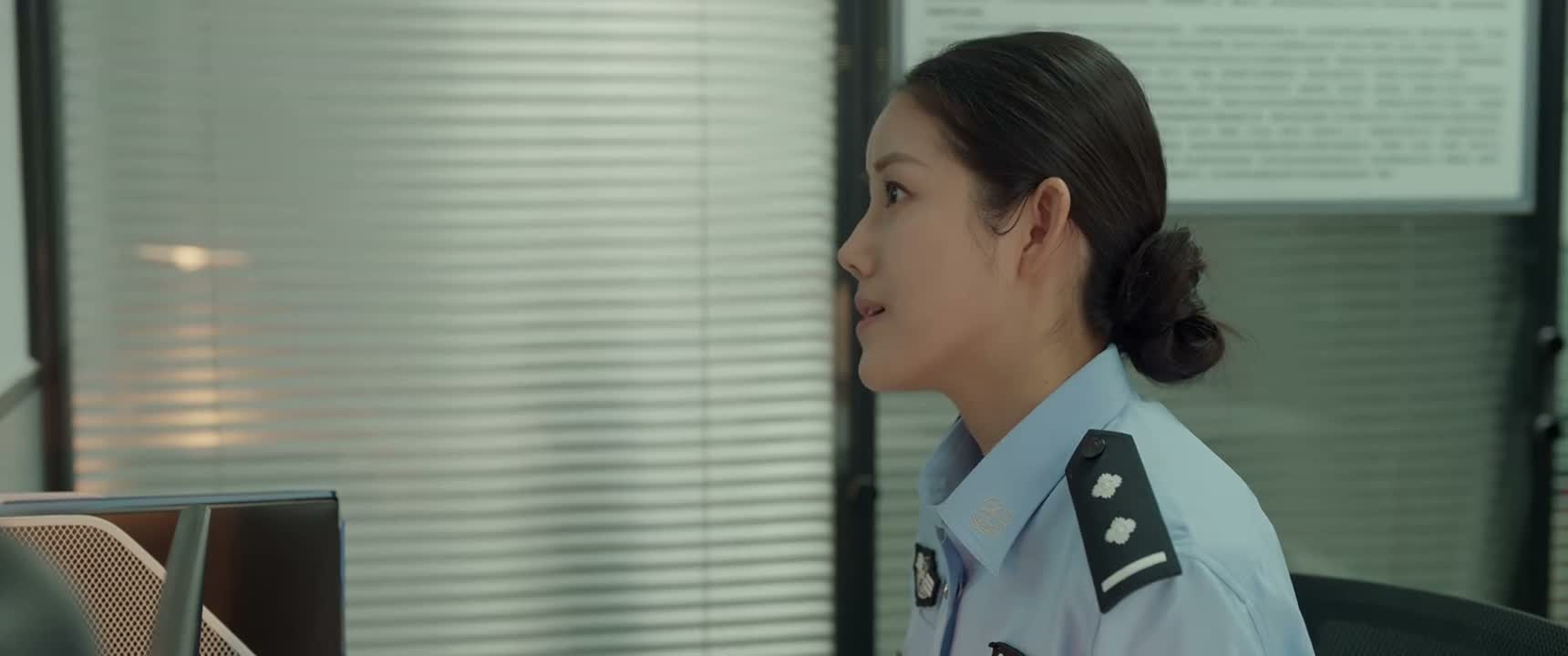
“Sorry, I understand how you feel.”

“Sorry to take up your time.”

“Sorry, I'm late.”

“Sorry, I'm just trying to make a point.”

“Sorry. I'm not feeling very well today.”

“Sorry. I'm really anxious,”
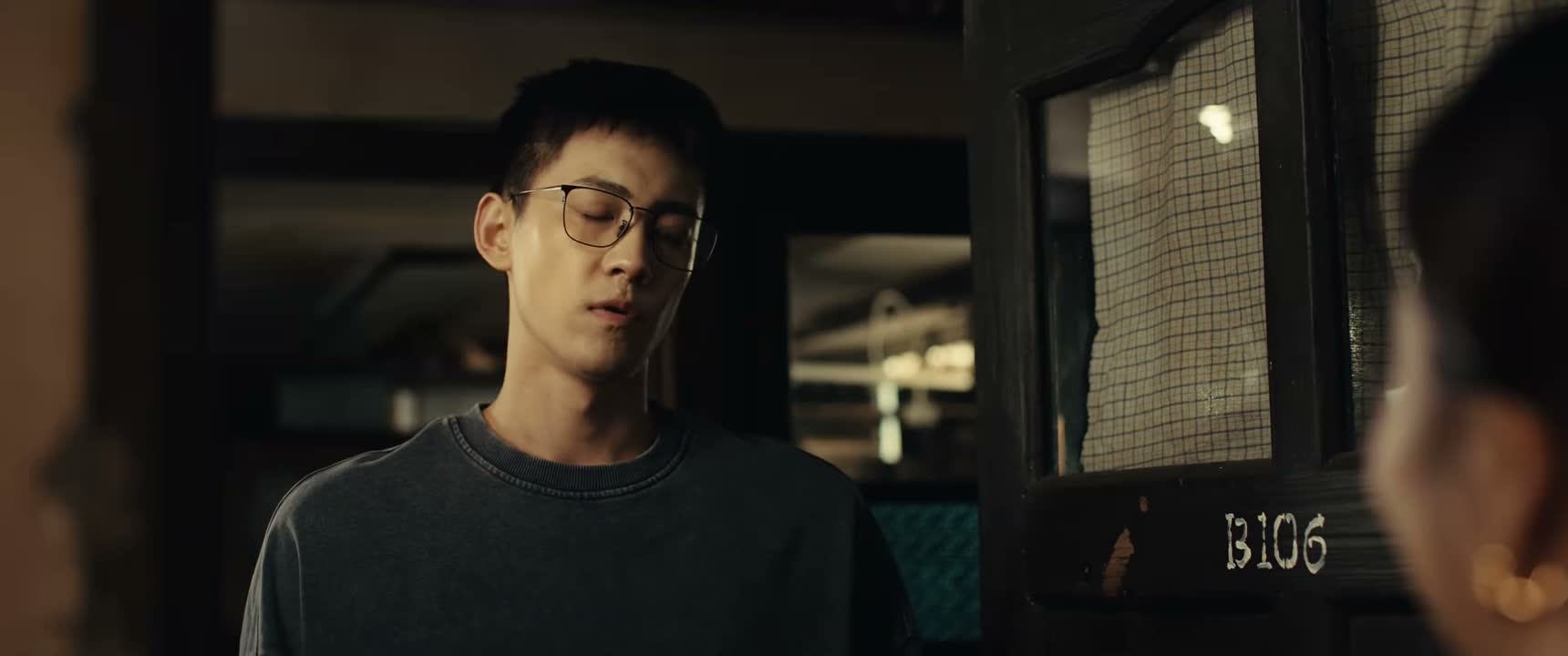
“Sorry, I'm rushing a draft. I don't have time to chat.”