不好意思 我能理解你的心情
“Sorry, I understand how you feel.”
THE DIALOGUE REEL
我可以进去跟他说句话吗
“Can I go in and say a word to him?”
不好意思 我能理解 你的心情
“Sorry, I understand how you feel.”
但现在谁都见不了
“But no one's allowed to see him now.”
“I sympathize with you, but the rules are strict and I have to say no.”
Chinese interpersonal pragmatics places heavy emphasis on validating the other party's feelings ('renqing') before enforcing unbending institutional rules.
LEARNING CHUNKS & PARTICLES
excuse me / I am sorry
A common conversational softener used before delivering disappointing news or declining requests.
understand how you feel
Standard empathetic framing used in service and professional contexts to defuse emotional resistance.
VOCABULARY & EXPRESSIONS
Parallel Spoken Cinema Scenes (语义近邻切片)

“I understand how you feel right now.”

“Actually, I can understand how you feel.”

“first of all, I understand how you feel,”

“Sorry I didn't come down to greet you.”

“Sorry. I have something to report to Barry.”

“Sorry, I still have work later. If I drink alcohol, that'd be illegal.”
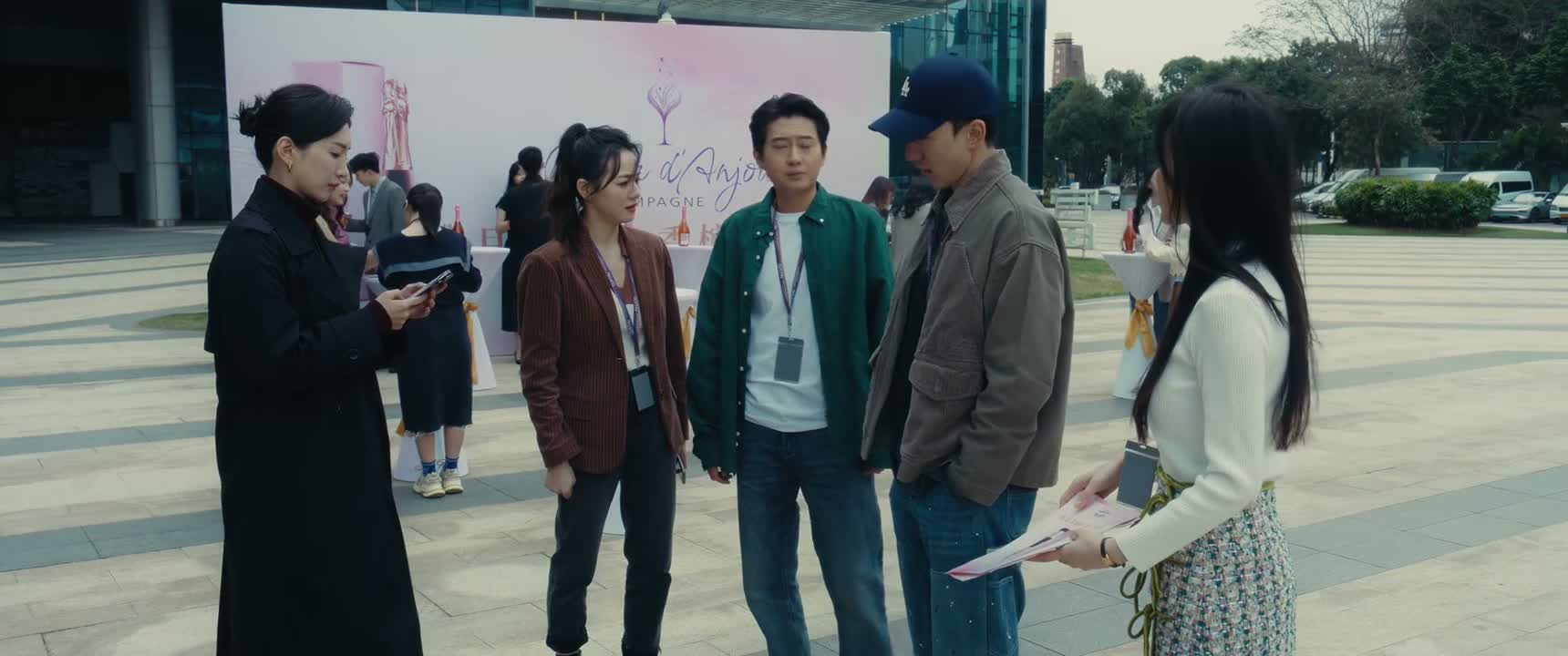
“Well, sorry about that. I take back what I said.”

“Sorry, I didn't order any alcohol.”

“[Next Episode] Sorry, I'm the president.”

“Sorry, we're closed for the day.”

“Excuse me. [chuckles] I didn't mean to keep you.”

“Sorry, I'm late.”

“Sorry, I'm just trying to make a point.”

“Sorry. I'm not feeling very well today.”

“Sorry, I'm rushing a draft. I don't have time to chat.”

“Sorry, but I'd like to interrupt.”